Get your free personalized podcast brief
We scan new podcasts and send you the top 5 insights daily.
To counteract OpenAI's potential control over the OpenClaw project, venture firm Launch announced a dedicated investment thesis to fund startups building core infrastructure around it. The strategy is to foster a decentralized ecosystem focused on security, ease of use, hosting, and skills to ensure the project remains open.
Related Insights
OpenAI embraces the 'platform paradox' by selling API access to startups that compete directly with its own apps like ChatGPT. The strategy is to foster a broad ecosystem, believing that enabling competitors is necessary to avoid losing the platform race entirely.

Startups are becoming wary of building on OpenAI's platform due to the significant risk of OpenAI launching competing applications (e.g., Sora for video), rendering their products obsolete. This "platform risk" is pushing developers toward neutral providers like Anthropic or open-source models to protect their businesses.
The open vs. closed source debate is a matter of strategic control. As AI becomes as critical as electricity, enterprises and nations will use open source models to avoid dependency on a single vendor who could throttle or cut off their "intelligence supply," thereby ensuring operational and geopolitical sovereignty.

The choice between open and closed-source AI is not just technical but strategic. For startups, feeding proprietary data to a closed-source provider like OpenAI, which competes across many verticals, creates long-term risk. Open-source models offer "strategic autonomy" and prevent dependency on a potential future rival.

To avoid a future where a few companies control AI and hold society hostage, the underlying intelligence layer must be commoditized. This prevents "landlords" of proprietary models from extracting rent and ensures broader access and competition.

The optimistic take is that OpenAI paid a premium to bring founder Peter in-house for his talent and to gain strategic insights from the open-source project's development. Placing OpenClaw in a foundation led by the ethical Dave Morin is a move to reassure the community.
The cynical view of OpenAI's acquisition of OpenClaw is that it's a defensive move to control the dominant user interface. By owning the 'front door' to AI, they can prevent competing models from gaining traction and ultimately absorb all innovation into their closed ecosystem.
The technical capabilities of OpenClaw are replicable; its real moat is the massive, self-reinforcing community of builders and resources that spontaneously converged around it. OpenAI acquired not just a tool, but the entire ecosystem's focal point for agentic AI development—a far more durable competitive advantage than code alone.

To escape platform risk and high API costs, startups are building their own AI models. The strategy involves taking powerful, state-subsidized open-source models from China and fine-tuning them for specific use cases, creating a competitive alternative to relying on APIs from OpenAI or Anthropic.
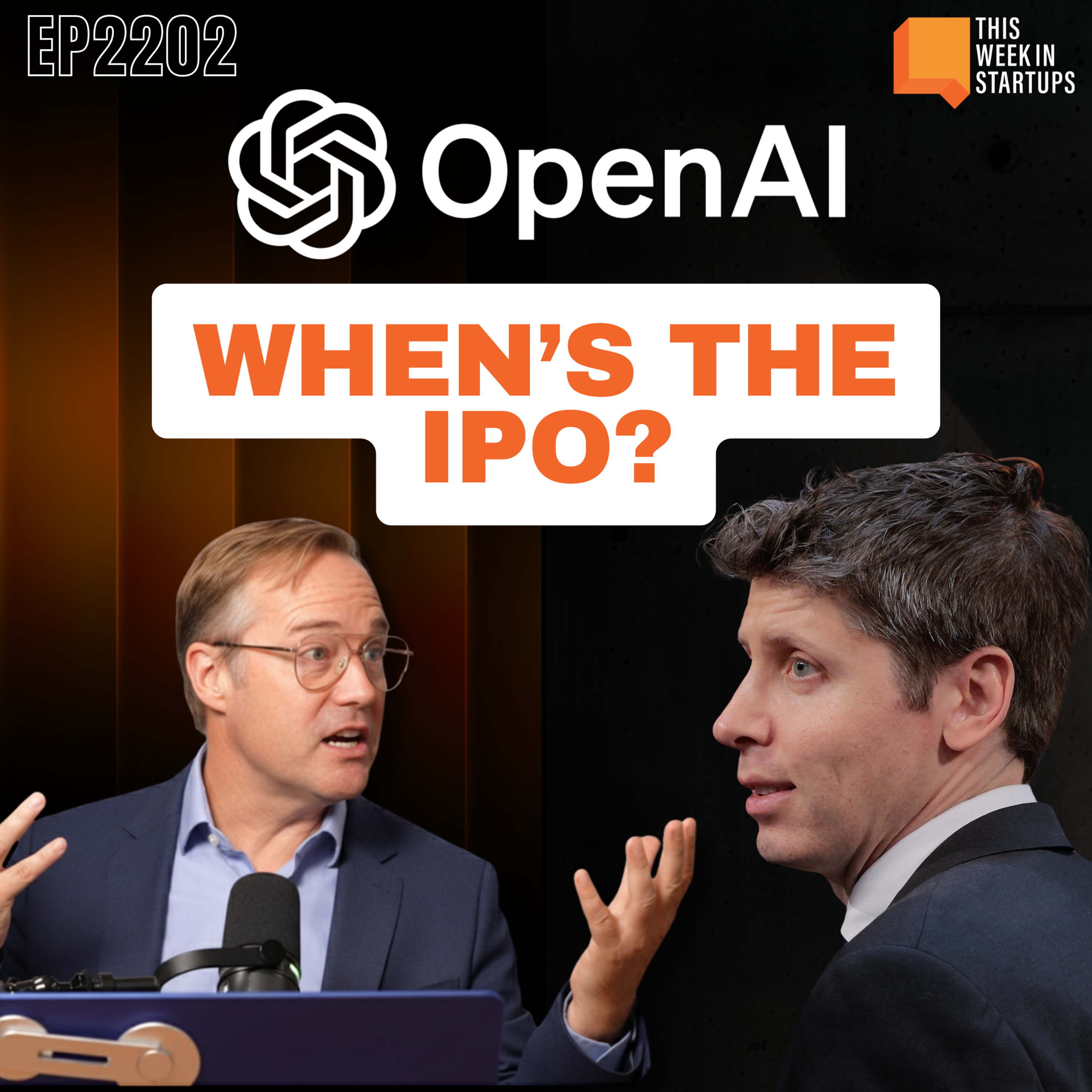
Altman praises projects like OpenClaw, noting their ability to innovate is a direct result of being unconstrained by the lawsuit and data privacy fears that paralyze large companies. He sees them as the "Homebrew Computer Club" for the AI era, pioneering new UX paradigms.