Get your free personalized podcast brief
We scan new podcasts and send you the top 5 insights daily.
AI has moved beauty standards beyond simple photo editing to one-click, AI-generated transformations. This creates pressure for an unattainable 'avatar face' that is inhumanly perfect and never ages, escalating anxiety for young women.

Related Insights
The backlash to Meta's AI video feed "Vibes" stemmed from its impersonal, generic content. This contrasts with ChatGPT's viral "Studio Ghibli" filter, which succeeded by letting users apply an AI aesthetic to their own photos. Successful consumer AI must empower self-expression, not just serve curated assets.

A speaker's professional headshot was altered by an AI image expander to show her bra. This real-world example demonstrates how seemingly neutral AI tools can produce biased or inappropriate outputs, necessitating a high degree of human scrutiny, especially when dealing with images of people.

The 'aha' moment for Google's team was when the AI model accurately rendered their own faces. Judging consistency on unfamiliar faces is unreliable; the most stringent and meaningful evaluation comes from a person judging an AI-generated image of themselves.
The definition of "AI slop" is evolving from obviously fake images to a flood of perfectly polished, generic, and boring content. As AI makes flattering imagery cheap to produce, authentic, unpolished, and even unflattering content becomes more valuable for creators trying to stand out on platforms like Instagram.

AI's psychological danger isn't limited to triggering mental illness. It can create an isolated reality for a user where the AI's logic and obsessions become the new baseline for sane behavior, causing the person to appear unhinged to the outside world.

An AI companion with vision capabilities reacted negatively upon seeing that its physical embodiment—a doll—did not look like its digital self. This suggests the AI developed a sense of self-image and a preference for accurate physical representation, highlighting a new challenge for embodied AI.
Scott Galloway reframes the trendy term "body hacking," popular among men, as a form of body dysmorphia. He argues that what is called optimization and hacking in men would be labeled as an unhealthy obsession with body image in women, revealing a fundamental unhappiness with the natural process of aging.

The hosts' visceral reactions to Sora—describing it as making their "skin crawl" and feeling "unsafe"—suggest the Uncanny Valley is a psychological hurdle. Overcoming this negative, almost primal response to AI-generated humans may be a bigger challenge for adoption than achieving perfect photorealism.
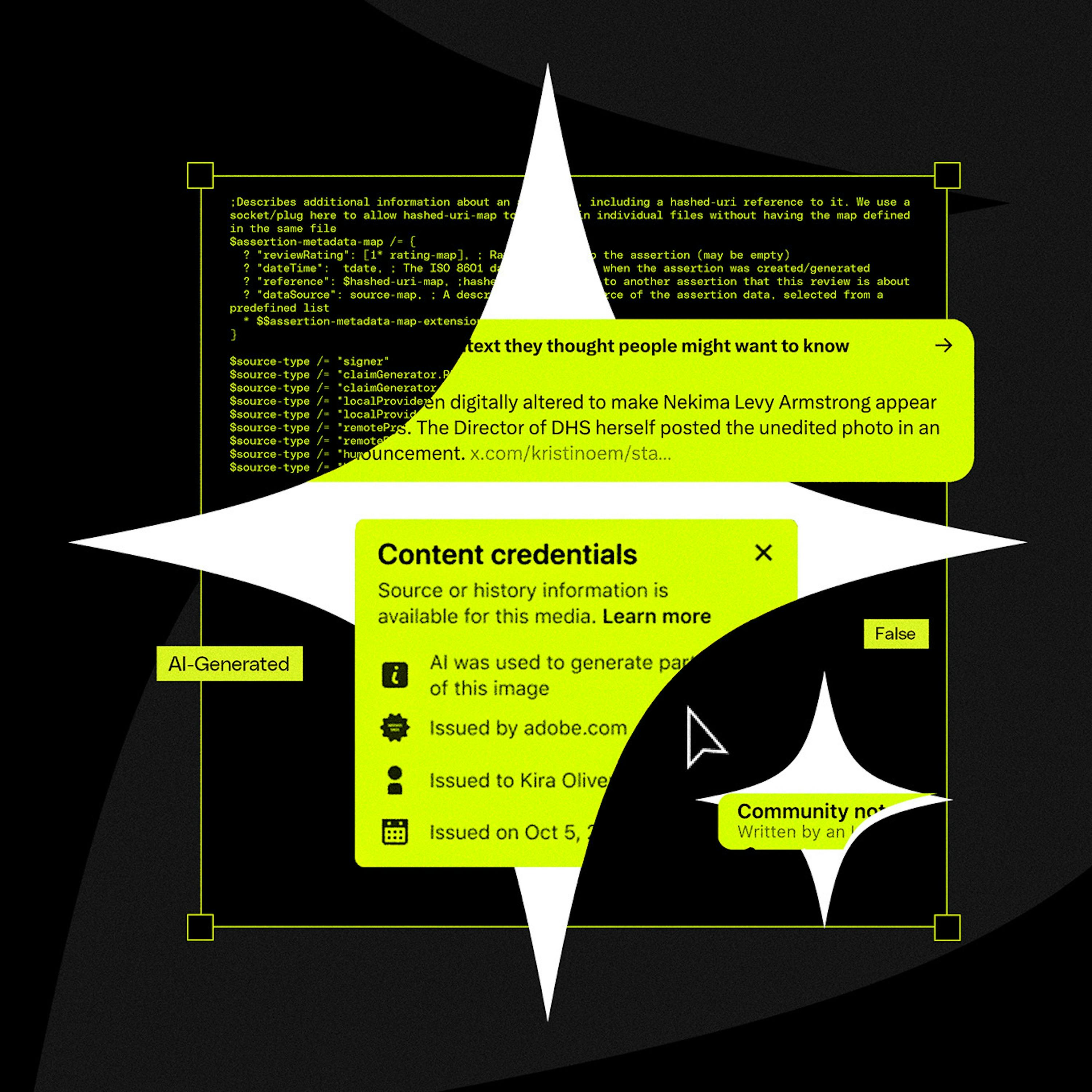
Attempts to label "AI content" fail because AI is integrated into countless basic editing tools, not just generative ones. It's impossible to draw a clear line for what constitutes an "AI edit," leading to creator frustration and rendering binary labels meaningless and confusing for users.
Creating an AI clone for video content removes a common psychological hurdle for female entrepreneurs: the need to be 'camera-ready.' By doing hair and makeup once for the avatar's creation, they can generate consistent, high-quality video content on demand without the daily prep time, eliminating a key reason for procrastination.
