Get your free personalized podcast brief
We scan new podcasts and send you the top 5 insights daily.
Citing philosopher Alex O'Connor, the human brain is not optimized for raw data but for narrative. By asking people to abandon myth and story—the things that feel most real—in favor of statistics, the rationalist movement is asking people to fight their own cognitive wiring.

Related Insights
Work by Kahneman and Tversky shows how human psychology deviates from rational choice theory. However, the deeper issue isn't our failure to adhere to the model, but that the model itself is a terrible guide for making meaningful decisions. The goal should not be to become a better calculator.

Humans crave control. When faced with uncertainty, the brain compensates by creating narratives and seeing patterns where none exist. This explains why a conspiracy theory about a planned event can feel more comforting than a random, chaotic one—the former offers an illusion of understandable order.
Author Sebastian Junger, a pragmatic war reporter, highlights the limits of a purely rational worldview after a near-death experience. He concludes that many events defy simple scientific explanation, echoing Shakespeare's idea that "there are more things in heaven and earth... than are dreamt of in your philosophy."

Most arguments aren't a search for objective truth but an attempt to justify a pre-existing emotional state. People feel a certain way first, then construct a logical narrative to support it. To persuade, address the underlying feeling, not just the stated facts.
The most effective way to convey complex information, even in data-heavy fields, is through compelling stories. People remember narratives far longer than they remember statistics or formulas. For author Morgan Housel, this became a survival mechanism to differentiate his writing and communicate more effectively.
![[REPLAY] Morgan Housel – Same as Ever (EP.359) thumbnail](https://static.libsyn.com/p/assets/f/b/7/6/fb76e1c8bfb69e8dd959afa2a1bf1c87/CA_Square_logo_light_background_6.26.24.jpg)
People watched the movie 'Contagion' during the pandemic rather than reading scientific papers because the human brain is wired to learn through first-person stories, not lists of facts. Narratives provide a simulated, experiential perspective that taps into ancient brain mechanisms, making the information more memorable, understandable, and emotionally resonant.
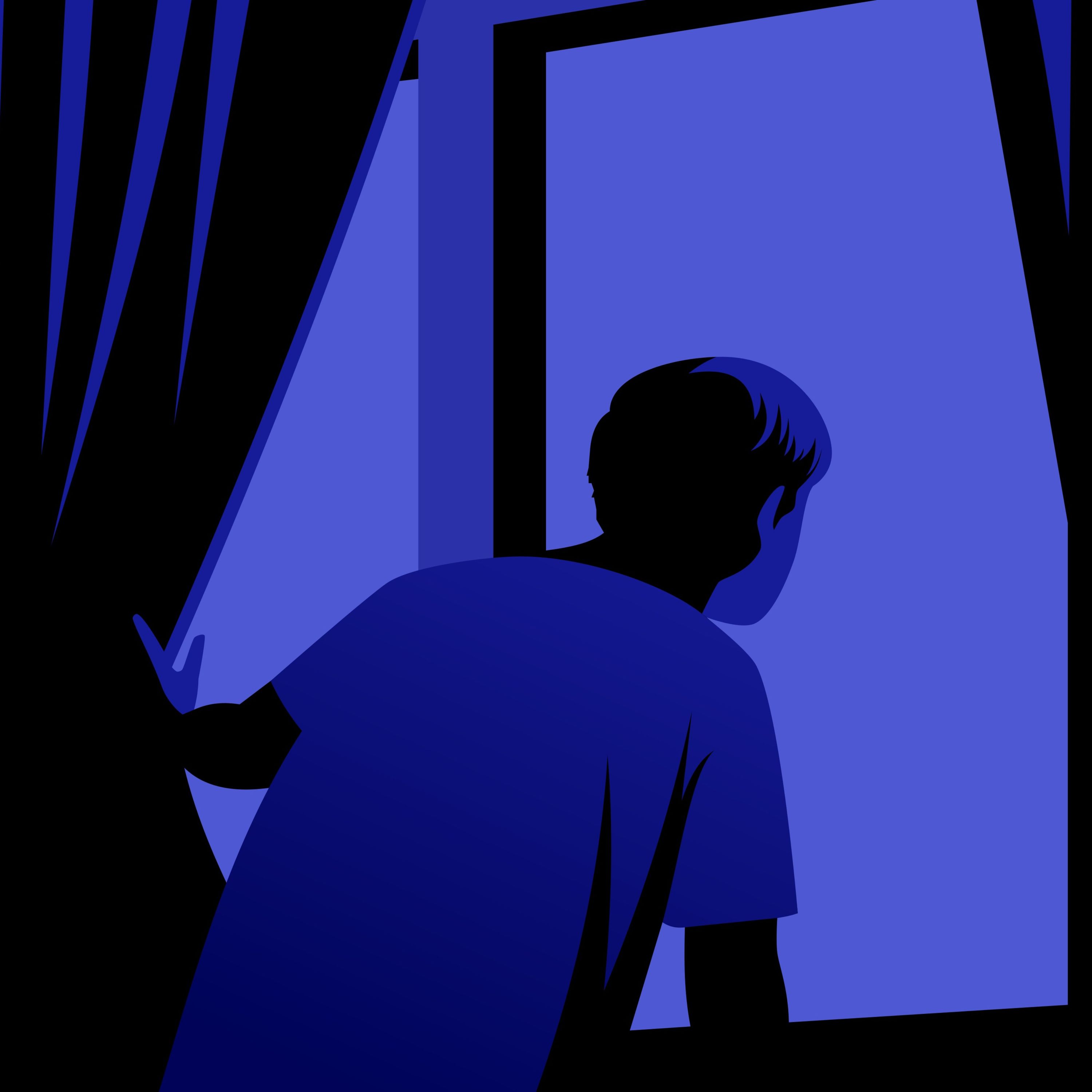
When presented with direct facts, our brains use effortful reasoning, which is prone to defensive reactions. Stories transport us, engaging different, more social brain systems. This allows us to analyze a situation objectively, as if observing others, making us more receptive to the underlying message.
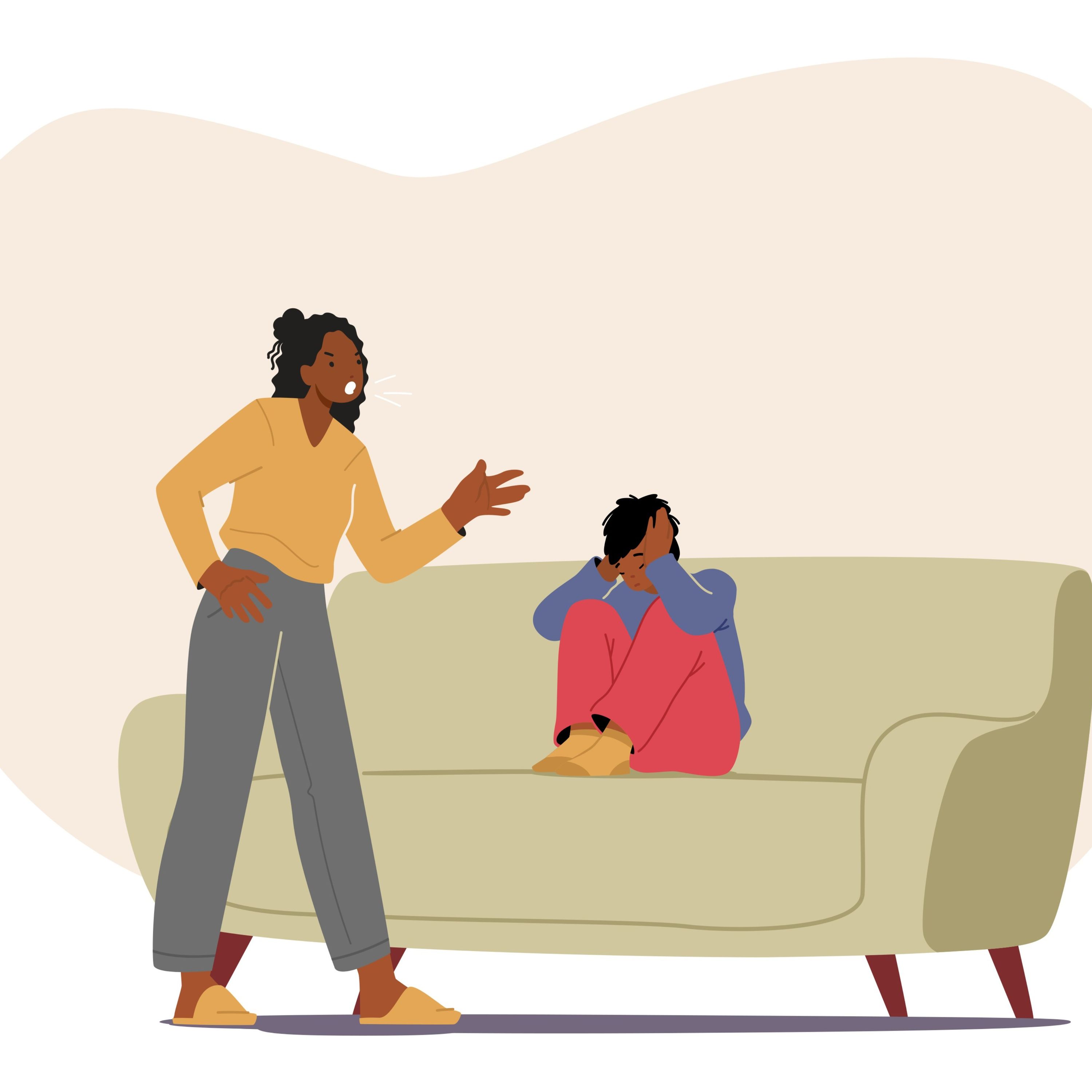
We operate with two belief modes. For our immediate lives, we demand factual truth. For abstract domains like mythology or ideology, we prioritize morally uplifting or dramatically compelling narratives over facts. The Enlightenment was a push to apply the first mode to everything.

People look at the same set of facts (stars) but interpret them through different frameworks, creating entirely different narratives (constellations). These narratives, though artificial, have real-world utility for navigation and decision-making, explaining why people reach opposing conclusions from the same data.

The brain's tendency to create stories simplifies complex information but creates a powerful confirmation bias. As illustrated by a military example where a friendly tribe was nearly bombed, leaders who get trapped in their narrative will only see evidence that confirms it, ignoring critical data to the contrary.
