Get your free personalized podcast brief
We scan new podcasts and send you the top 5 insights daily.
Armstrong uses an internal AI tool to break down feature ideas into tasks, deploy a swarm of specialized agents to execute them in parallel, and submit the work as a pull request. This empowers non-technical executives to become active builders.

Related Insights
The developer's role is evolving from a linear workflow (code, submit PR, get review) to a parallel one. At Block, developers now manage multiple AI agents building numerous pull requests simultaneously, acting as an editor and context-switcher rather than the sole creator.

Coinbase invented a role called the "Super Builder" whose sole job is to create more super builders. This person focuses exclusively on building internal AI tools and workflows that accelerate the entire engineering organization, acting as a powerful force multiplier for developer productivity.

Because AI agents operate autonomously, developers can now code collaboratively while on calls. They can brainstorm, kick off a feature build, and have it ready for production by the end of the meeting, transforming coding from a solo, heads-down activity to a social one.

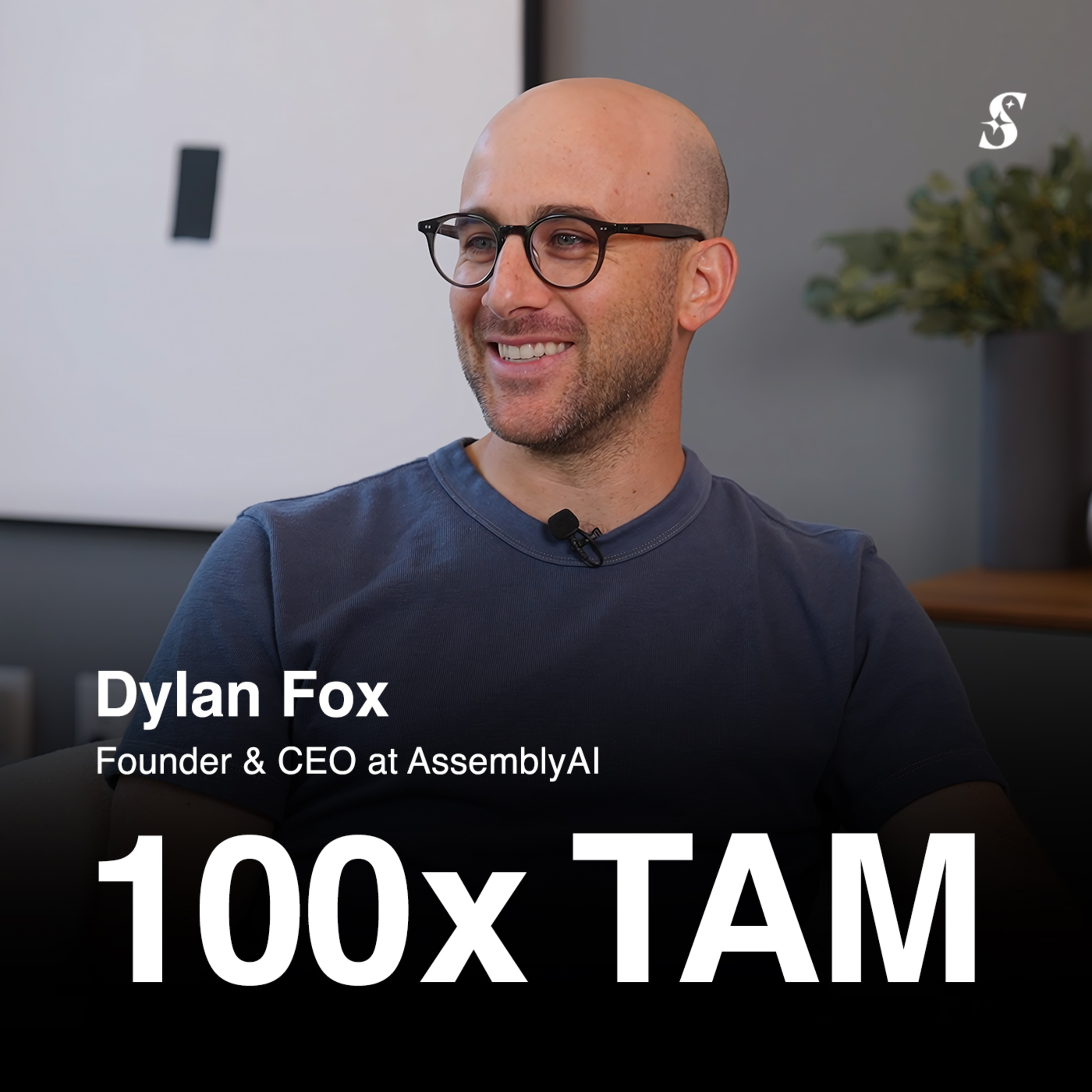
At truly AI-native companies, AI is not just for engineering. AssemblyAI's CEO built a personal agent named "Dylan Claw" that accesses his meeting notes and transcripts to automatically create and revise slide decks. This deep, personalized integration allows for extreme operational leverage and speed.
Ramp's internal tool, "Inspect," allows non-technical roles like PMs and designers to generate and merge production-ready code. This dramatically accelerates development for quality-of-life improvements and minor features, activating the entire company as builders, not just the engineering team.

C-level executives with a technical past, like GitHub's COO, are using AI to build their own internal tools. This allows them to apply their unique blend of business and technical expertise to solve problems directly, bypassing traditional workflows and increasing their effectiveness.

Technical executives who stopped coding due to time constraints and the cognitive overhead of modern frameworks are now actively contributing to their codebases again. AI agents handle the boilerplate and syntax, allowing them to focus on logic and product features, often working asynchronously between meetings.
The lines between roles at Uber are blurring. Instead of prioritizing simple bug fixes with engineers, some product managers now use AI agents to write the code themselves. An engineer still reviews it, but this significantly speeds up minor development tasks and changes team dynamics.

Unlike typical AI coding assistants that act as pair programmers, Codex's cloud agents allow a single founder to operate like a CEO. You can delegate concurrent tasks—coding, marketing, product roadmapping—to different AI 'employees', maximizing productivity even while you sleep.

Use tools like Compound Engineering's 'CE plan' to force an AI agent to create a systematic plan before execution. This counteracts the agent's tendency to be lazy and take shortcuts, enabling non-technical builders to create valuable software.