Get your free personalized podcast brief
We scan new podcasts and send you the top 5 insights daily.
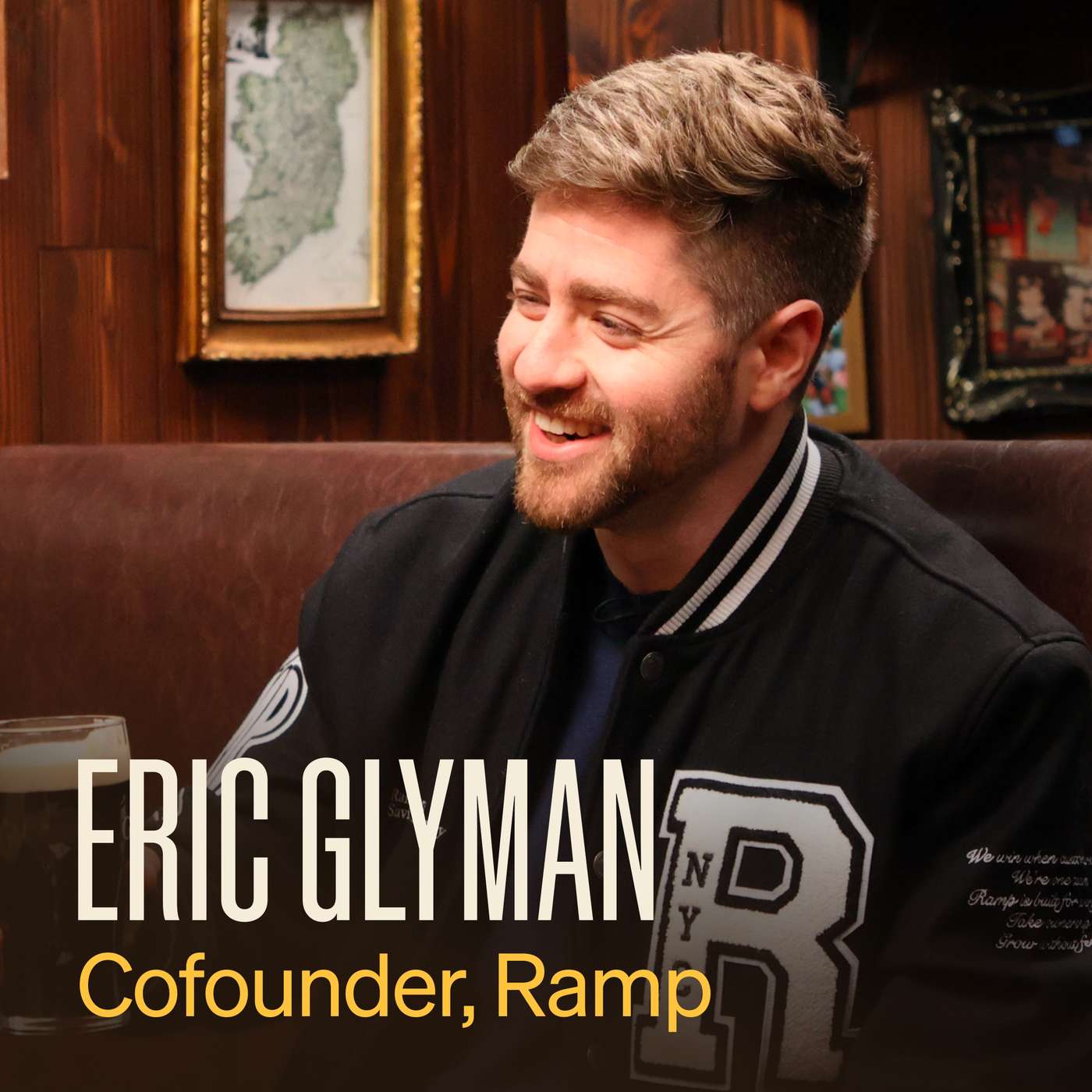
Ramp's internal tool, "Inspect," allows non-technical roles like PMs and designers to generate and merge production-ready code. This dramatically accelerates development for quality-of-life improvements and minor features, activating the entire company as builders, not just the engineering team.

Related Insights
Ramp's code generation by AI has rapidly increased from 30% to 50% in three months. This isn't just for prototypes but for the entire production stack, back-end and front-end, signaling a fundamental shift in software development that makes the entire company more productive.
To keep pace with AI development, the barrier between design and engineering must fall. Intercom made it a non-negotiable job requirement for every product designer to ship code to production. This empowers them to fix UI bugs directly and accelerates the entire development cycle.

Modern AI coding agents allow non-technical and technical users alike to rapidly translate business problems into functional software. This shift means the primary question is no longer 'What tool can I use?' but 'Can I build a custom solution for this right now?' This dramatically shortens the cycle from idea to execution for everyone.

Tools like Claude Code are democratizing software development. Product managers without a coding background can use these AI assistants to work in the terminal, manage databases, and deploy apps. This accelerates prototyping and deepens technical understanding, improving collaboration with engineers.

AI tools lower the technical barrier for creating high-fidelity prototypes. This empowers designers, PMs, and engineers to contribute across traditional role boundaries, breaking down silos and fostering a more collaborative, cross-functional team dynamic.

With AI coding assistants, the barriers to shipping software are eroding. At Ramp, designers and customer support agents are now shipping code to production. This suggests a future where the traditional, siloed Engineering, Product, and Design (EPD) team structure becomes obsolete.
AI coding agents compress product development by turning specs directly into code. This transforms the PM's role from a translator between customers and engineers into a "shaper of intent." The key skill becomes defining a problem so clearly that an agent can execute it, making the spec itself the prototype.
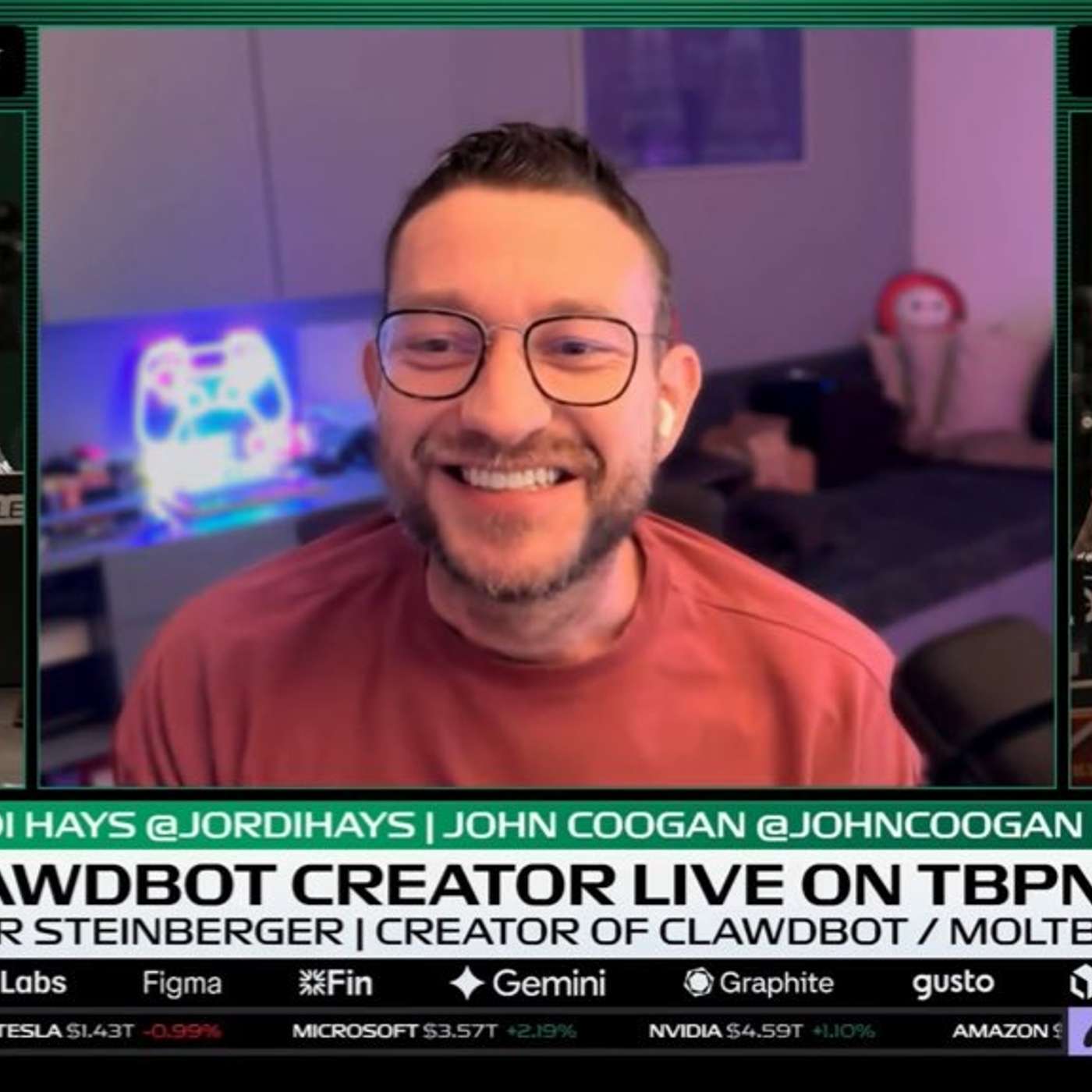
A design agency professional with no coding experience used the Moltbot agent to build 25 internal web services simply by describing the problems. This signals a paradigm shift where non-technical users can create their own hyper-personalized software, bypassing traditional development cycles and SaaS subscriptions.
Software development platforms like Linear are evolving to empower non-technical team members. By integrating with AI agents like GitHub Copilot, designers can now directly instruct an agent to make small code fixes, preview the results, and resolve issues without needing to assign the task to an engineer, thus blurring the lines between roles.

Product Managers at Ramp now write specs with the primary audience being an AI agent. The spec is effectively a prompt, and its output is a working product, not just a document for engineers to interpret. This changes the entire dynamic of product definition from documentation to direct creation.