Get your free personalized podcast brief
We scan new podcasts and send you the top 5 insights daily.
To compete with giants like OpenAI, ElevenLabs employs a dual strategy: conducting its own foundational audio research to stay ahead on quality, while simultaneously building product platforms (for creators and agents) that create sticky, defensible value independent of the core models.

Related Insights
Voice AI company ElevenLabs' rapid scaling to $330M ARR defies the narrative that large labs will dominate all AI verticals. Their singular focus allows them to build a superior, more opinionated "best-in-class" product that generalist models cannot easily replicate.

To survive against subsidized tools from model providers like OpenAI and Anthropic, AI applications must avoid a price war. Instead, the winning strategy is to focus on superior product experience and serve as a neutral orchestration layer that allows users to choose the best underlying model.

Ben Horowitz highlights that specialized AI companies like Eleven Labs are thriving despite foundational models having similar raw capabilities. This reveals a durable competitive advantage for startups: the significant effort required to transform a model's latent ability into a polished, developer-friendly product creates a defensible business moat.

11 Labs operates as a research lab, enterprise company, and consumer app simultaneously. This multi-pronged approach, while seemingly unfocused, allows them to dominate the entire audio vertical by controlling the full stack from foundational models to end-user applications.

ElevenLabs' defense against giants isn't just a better text-to-speech model. Their strategy focuses on building deep, workflow-specific platforms for agents and creatives. This includes features like CRM integrations and collaboration tools, creating a sticky application layer that a foundational model alone cannot replicate.
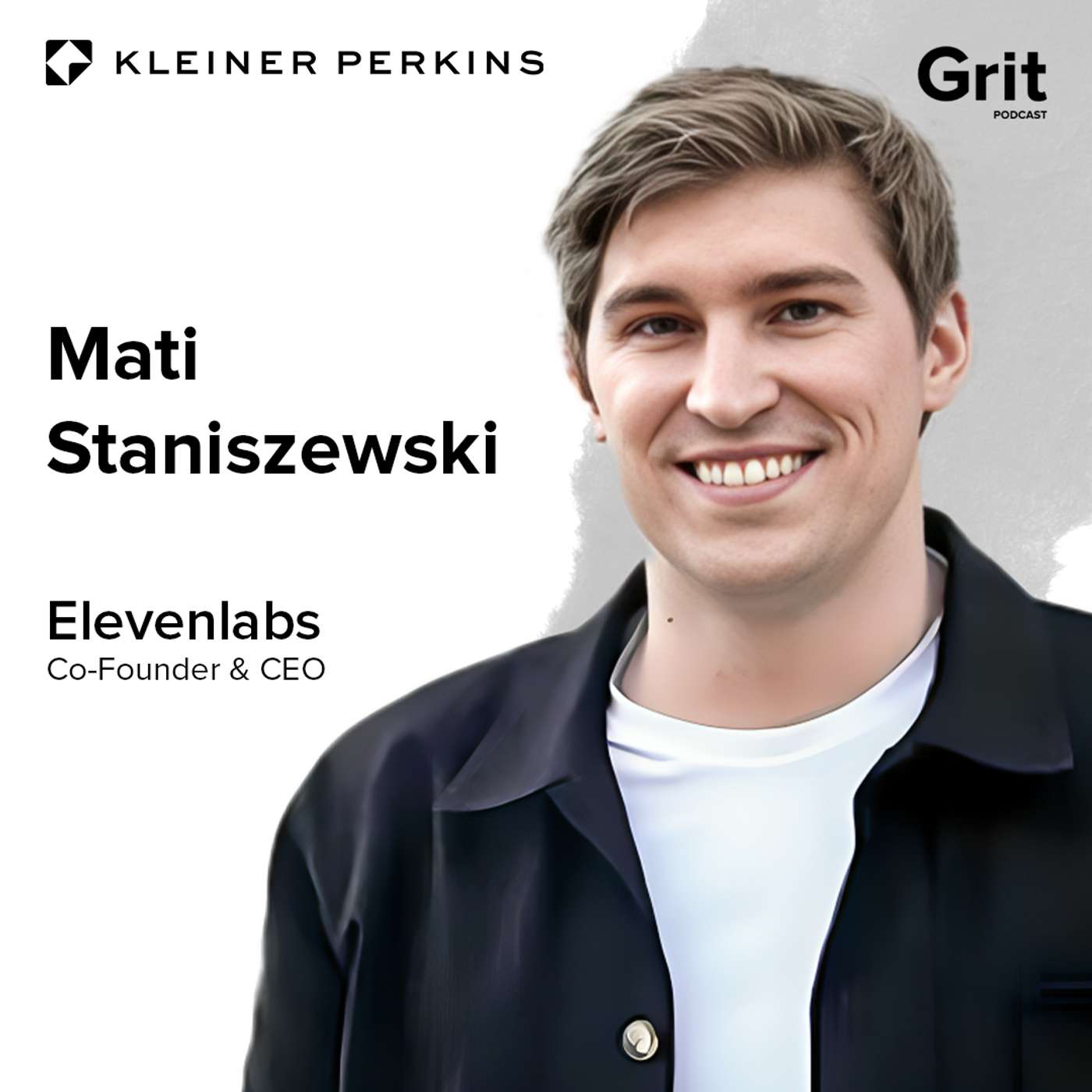
While large language models are a game of scale, ElevenLabs argues that specialized AI domains like audio are won through architectural breakthroughs. The key is not massive compute but a small pool of elite researchers (estimated at 50-100 globally). This focus on talent and novel model design allows a smaller company to outperform tech giants.

To avoid choosing between deep research and product development, ElevenLabs organizes teams into problem-focused "labs." Each lab, a mix of researchers, engineers, and operators, tackles a specific problem (e.g., voice or agents), sequencing deep research first before building a product layer on top. This structure allows for both foundational breakthroughs and market-facing execution.
ElevenLabs' CEO sees their cutting-edge research as a temporary advantage—a 6-12 month head start. The real, long-term defensibility comes from using that time to build a superior product layer and a robust ecosystem of integrations, workflows, and brand. This strategy accepts model commoditization and focuses on building durable value on top of the technology.
Startups like ElevenLabs and Midjourney compete with large AI labs by imbuing their models with a founder's specific 'taste.' This unique aesthetic, from voice texture to image style, creates a product identity that is difficult for a general, large-scale model to replicate.

Companies create defensibility by generating unique, non-public data through their operations (e.g., legal case outcomes). This proprietary data improves their own models, creating a feedback loop and a compounding advantage that large, generalist labs like OpenAI cannot replicate.