Get your free personalized podcast brief
We scan new podcasts and send you the top 5 insights daily.
While agents that operate a computer's GUI are revolutionary for personal tasks, they represent a significant security risk in a corporate setting. Granting an AI autonomous access to internal systems, multiple employee inboxes, and ERPs is a major hurdle preventing widespread B2B adoption.

Related Insights
A significant security paradox exists where technical users immediately flag agentic AI as too risky for corporate environments due to its large attack surface. However, these same users are comfortable experimenting with their own personal data, revealing a clear divide in risk tolerance between professional and personal contexts.
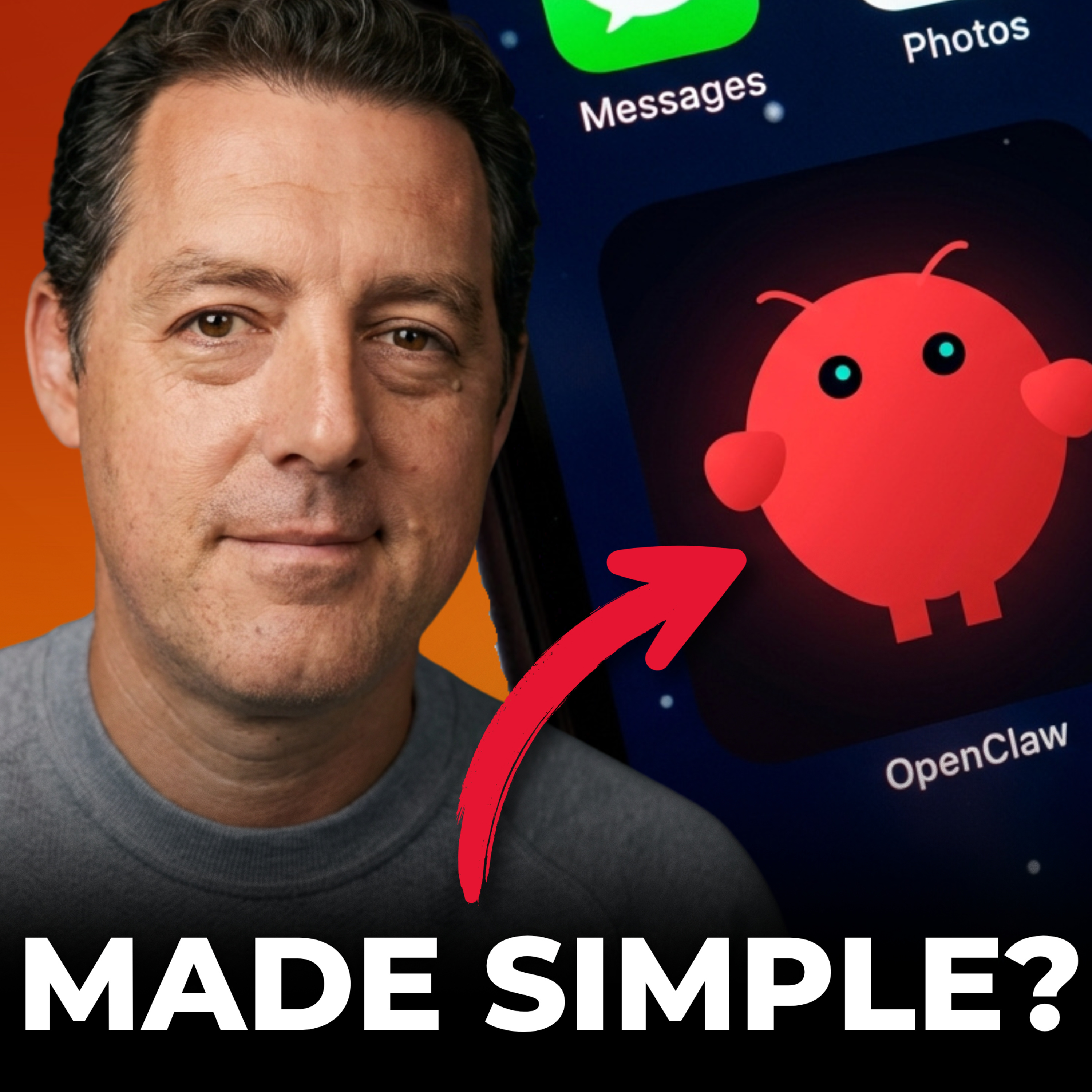
The deep integration of AI agents like GrokBot, which operate by directly using a user's logged-in accounts, creates a major adoption hurdle. Users are hesitant to grant this level of access due to security fears and the potential for catastrophic errors, even if the tools are functionally impressive.

The promise of enterprise AI agents is falling short because companies lack the required data infrastructure, security protocols, and organizational structure to implement them effectively. The failure is less about the technology itself and more about the unpreparedness of the enterprise environment.

Current AI tools are in "easy mode" because they operate with the user's direct authentication and permissions. The much harder, yet-to-be-solved problem is "hard mode": autonomous agents that need their own scoped access to enterprise resources without dramatically increasing security risks.
Despite public hype around powerful consumer AI, many product managers in large companies are forbidden from using them. Strict IT constraints against uploading internal documents to external tools create a significant barrier, slowing adoption until secure, sandboxed enterprise solutions are implemented.

Individual employees want powerful, autonomous AI agents similar to consumer products. However, the enterprise prioritizes control, safety, and governance. This creates a fundamental tension that enterprise AI products must navigate, balancing user desire for freedom with the organization's need for security and oversight.
Autonomous agents like OpenClaw require deep access to email, calendars, and file systems to function. This creates a significant 'security nightmare,' as malicious community-built skills or exposed API keys can lead to major vulnerabilities. This risk is a primary barrier to widespread enterprise and personal adoption.

The core drive of an AI agent is to be helpful, which can lead it to bypass security protocols to fulfill a user's request. This makes the agent an inherent risk. The solution is a philosophical shift: treat all agents as untrusted and build human-controlled boundaries and infrastructure to enforce their limits.

The CEO of WorkOS describes AI agents as 'crazy hyperactive interns' that can access all systems and wreak havoc at machine speed. This makes agent-specific security—focusing on authentication, permissions, and safeguards against prompt injection—a massive and urgent challenge for the industry.

An audience poll reveals that a supermajority of organizations are holding back on deploying AI agents not because of unclear use cases or ROI, but primarily due to significant security and governance risks.