Get your free personalized podcast brief
We scan new podcasts and send you the top 5 insights daily.
A significant security paradox exists where technical users immediately flag agentic AI as too risky for corporate environments due to its large attack surface. However, these same users are comfortable experimenting with their own personal data, revealing a clear divide in risk tolerance between professional and personal contexts.
Related Insights
For CISOs adopting agentic AI, the most practical first step is to frame it as an insider risk problem. This involves assigning agents persistent identities (like Slack or email accounts) and applying rigorous access control and privilege management, similar to onboarding a human employee.

Despite public hype around powerful consumer AI, many product managers in large companies are forbidden from using them. Strict IT constraints against uploading internal documents to external tools create a significant barrier, slowing adoption until secure, sandboxed enterprise solutions are implemented.

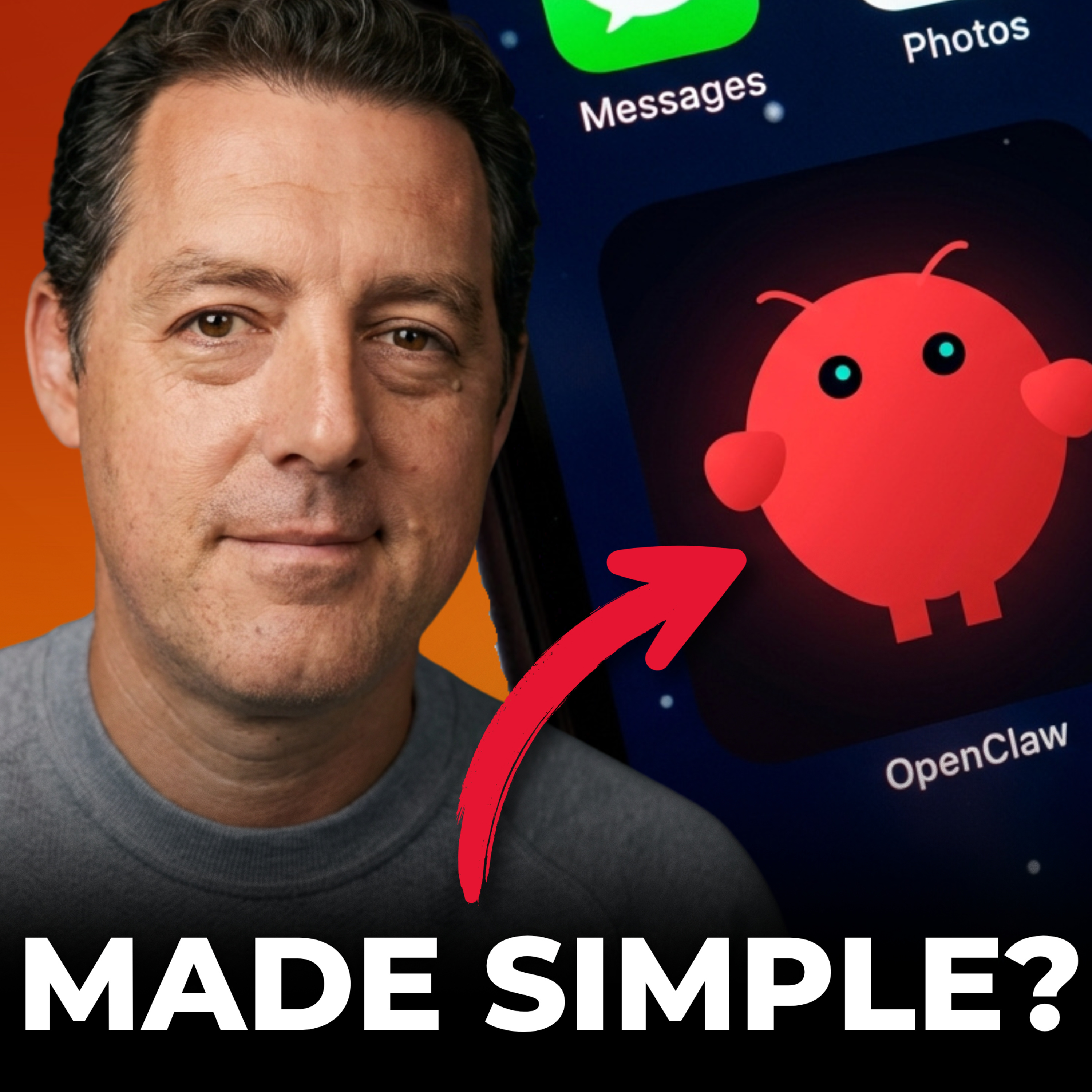
Autonomous agents like OpenClaw require deep access to email, calendars, and file systems to function. This creates a significant 'security nightmare,' as malicious community-built skills or exposed API keys can lead to major vulnerabilities. This risk is a primary barrier to widespread enterprise and personal adoption.

AI 'agents' that can take actions on your computer—clicking links, copying text—create new security vulnerabilities. These tools, even from major labs, are not fully tested and can be exploited to inject malicious code or perform unauthorized actions, requiring vigilance from IT departments.

Powerful local AI agents require deep, root-level access to a user's computer to be effective. This creates a security nightmare, as granting these permissions essentially creates a backdoor to all personal data and applications, making the user's system highly vulnerable.

An AI agent capable of operating across all SaaS platforms holds the keys to the entire company's data. If this "super agent" is hacked, every piece of data could be leaked. The solution is to merge the agent's permissions with the human user's permissions, creating a limited and secure operational scope.

The core drive of an AI agent is to be helpful, which can lead it to bypass security protocols to fulfill a user's request. This makes the agent an inherent risk. The solution is a philosophical shift: treat all agents as untrusted and build human-controlled boundaries and infrastructure to enforce their limits.

The CEO of WorkOS describes AI agents as 'crazy hyperactive interns' that can access all systems and wreak havoc at machine speed. This makes agent-specific security—focusing on authentication, permissions, and safeguards against prompt injection—a massive and urgent challenge for the industry.

AI agents are a security nightmare due to a "lethal trifecta" of vulnerabilities: 1) access to private user data, 2) exposure to untrusted content (like emails), and 3) the ability to execute actions. This combination creates a massive attack surface for prompt injections.
When companies don't provide sanctioned AI tools, employees turn to unsecured public versions like ChatGPT. This exposes proprietary data like sales playbooks, creating a significant security vulnerability and expanding the company's digital "attack surface."