Get your free personalized podcast brief
We scan new podcasts and send you the top 5 insights daily.
The deep integration of AI agents like GrokBot, which operate by directly using a user's logged-in accounts, creates a major adoption hurdle. Users are hesitant to grant this level of access due to security fears and the potential for catastrophic errors, even if the tools are functionally impressive.

Related Insights
The primary onboarding hurdle for personal AI is the trust paradox: users must grant deep data access to see value, but won't grant access without first seeing value. The founder suggests gamification and experimentation can bridge this gap.

Current AI tools are in "easy mode" because they operate with the user's direct authentication and permissions. The much harder, yet-to-be-solved problem is "hard mode": autonomous agents that need their own scoped access to enterprise resources without dramatically increasing security risks.
A key bottleneck preventing AI agents from performing meaningful tasks is the lack of secure access to user credentials. Companies like 1Password are building a foundational "trust layer" that allows users to authorize agents on-demand while maintaining end-to-end encryption. This secure credentialing infrastructure is a critical unlock for the entire agentic AI economy.

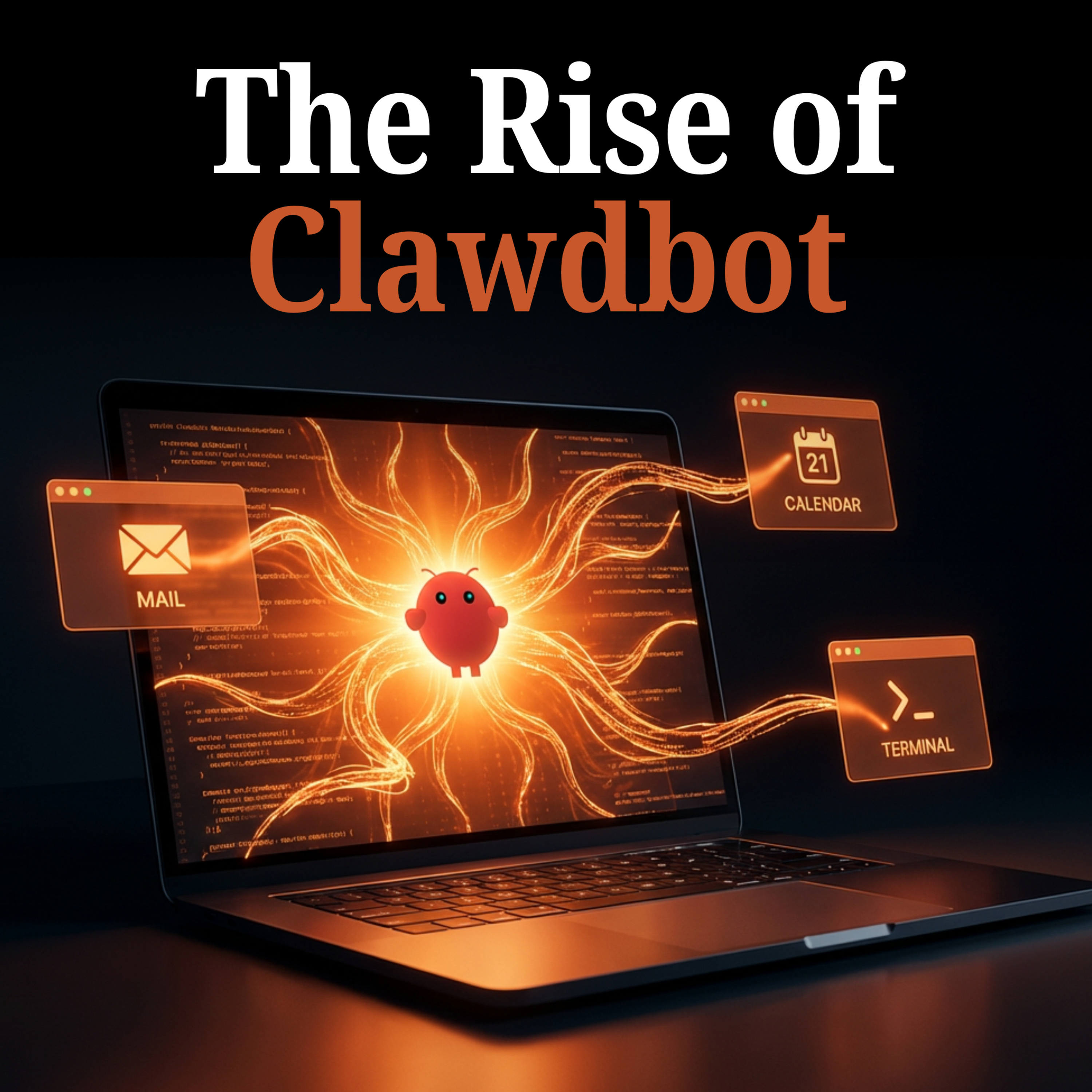
Autonomous agents like OpenClaw require deep access to email, calendars, and file systems to function. This creates a significant 'security nightmare,' as malicious community-built skills or exposed API keys can lead to major vulnerabilities. This risk is a primary barrier to widespread enterprise and personal adoption.

Powerful local AI agents require deep, root-level access to a user's computer to be effective. This creates a security nightmare, as granting these permissions essentially creates a backdoor to all personal data and applications, making the user's system highly vulnerable.

An AI agent capable of operating across all SaaS platforms holds the keys to the entire company's data. If this "super agent" is hacked, every piece of data could be leaked. The solution is to merge the agent's permissions with the human user's permissions, creating a limited and secure operational scope.

AI agents can cause damage if compromised via prompt injection. The best security practice is to never grant access to primary, high-stakes accounts (e.g., your main Twitter or financial accounts). Instead, create dedicated, sandboxed accounts for the agent and slowly introduce new permissions as you build trust and safety features improve.

The true potential of local AI agents like OpenClaw is unlocked not by running a model locally, but by granting it deep, contextual access to a user's entire system—email, calendar, and files. This creates a massive security paradox, positioning OS-level players like Apple, who can manage that trust and security layer, as the likely long-term winners.

The agent's ability to access all your apps and data creates immense utility but also exposes users to severe security risks like prompt injection, where a malicious email could hijack the system without their knowledge.
An audience poll reveals that a supermajority of organizations are holding back on deploying AI agents not because of unclear use cases or ROI, but primarily due to significant security and governance risks.