Get your free personalized podcast brief
We scan new podcasts and send you the top 5 insights daily.
Contrary to common perception, the U.S. defense industry often operates with more stringent responsible AI frameworks and safety regulations than the commercial sector. While this can slow down adoption of cutting-edge tech, it enforces a focus on safety that many commercial companies have yet to implement.

Related Insights
The military's primary incentive is to use weapons that are effective and reliable, as soldiers' lives depend on it. This inherent conservatism acts as a strong filter against deploying unproven or unpredictable AI systems, making them slower, not faster, to adopt bleeding-edge technology in life-or-death situations.

The military doesn't need to invent safety protocols for AI from scratch. Its deeply ingrained culture of checks and balances, rigorous training, rules of engagement, and hierarchical approvals serve as powerful, pre-existing guardrails against the risks of imperfect autonomous systems.
The greatest risk to integrating AI in military systems isn't the technology itself, but the potential for one high-profile failure—a safety event or cyber breach—to trigger a massive regulatory overcorrection, pushing the entire field backward and ceding the advantage to adversaries.

The CIA and NSA are more willing than the Pentagon to agree to AI usage limitations from firms like Anthropic, such as bans on domestic surveillance. This is because these activities are already outside their legal mandate, making it easier for them to adopt advanced AI under stricter ethical terms.

AI companies engage in "safety revisionism," shifting the definition from preventing tangible harm to abstract concepts like "alignment" or future "existential risks." This tactic allows their inherently inaccurate models to bypass the traditional, rigorous safety standards required for defense and other critical systems.
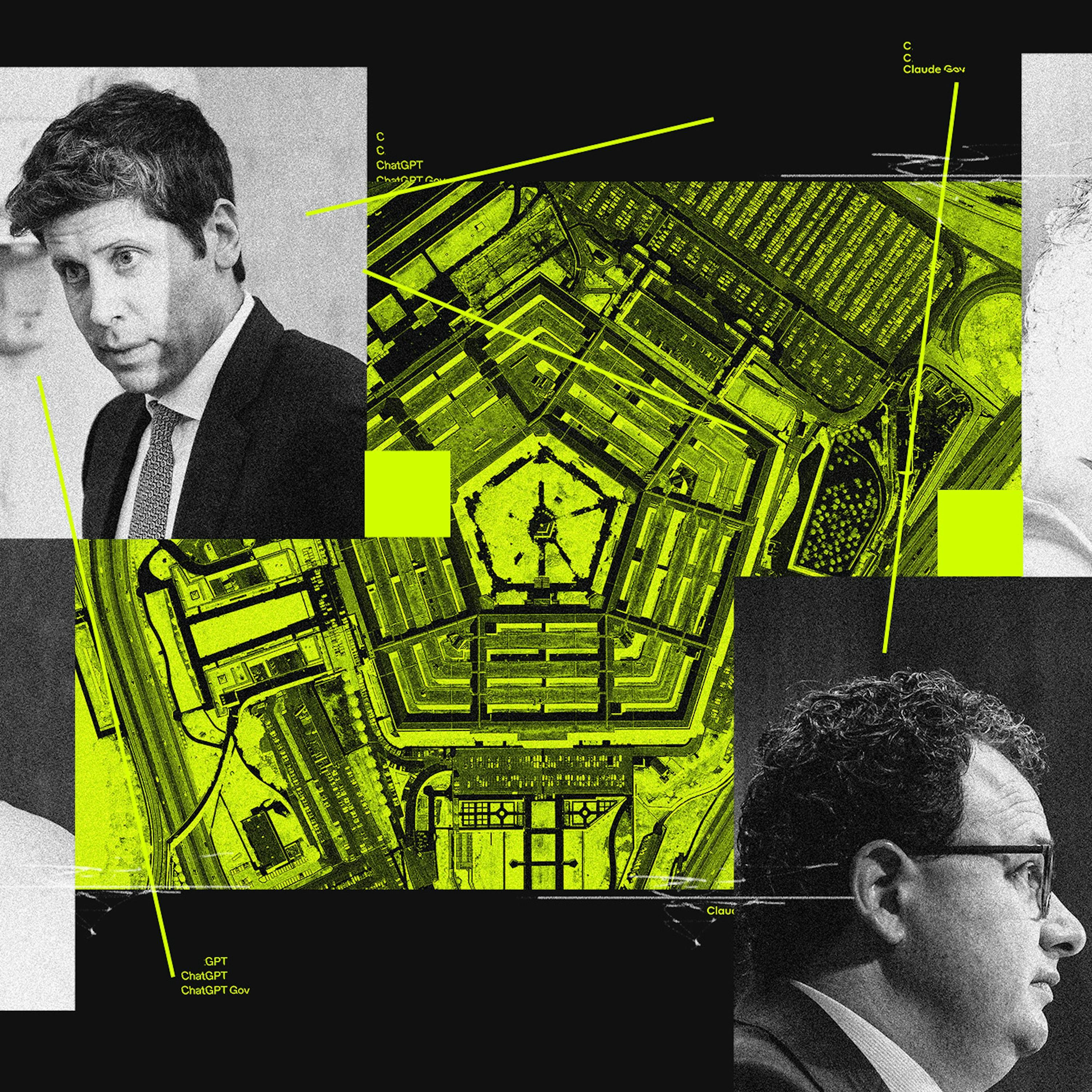
The U.S. military's principle of using precise, minimal force requires developing highly sophisticated AI. In contrast, adversaries like Russia and China, who employ a "fire and forget" doctrine and tolerate civilian casualties, face a much lower technical bar for deploying autonomous systems.
The US Department of War is so committed to integrating AI into warfare that it blacklisted AI lab Anthropic for stipulating its models couldn't be used for autonomous weapons, revealing an intolerance for ethical limitations from suppliers.
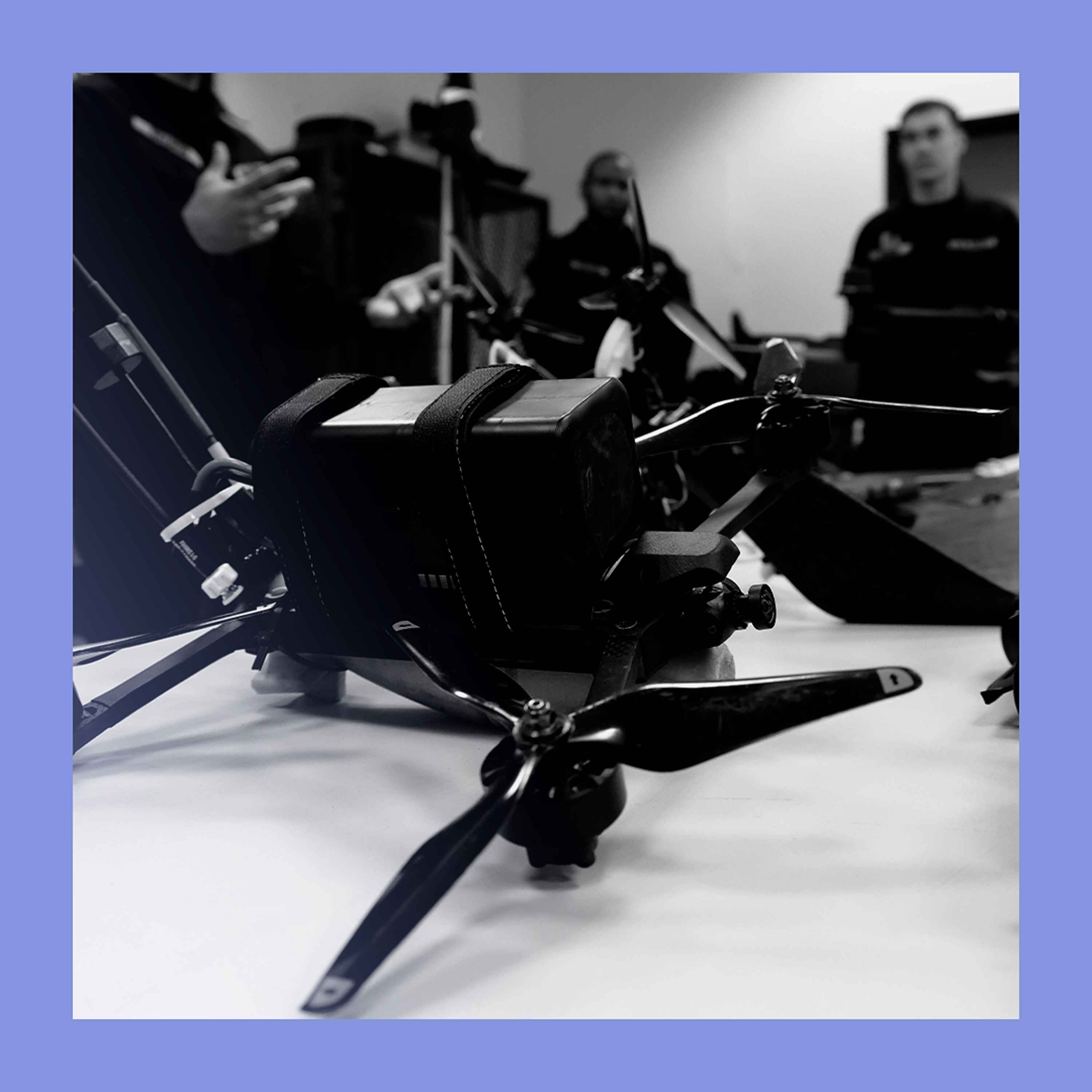
Contrary to the 'killer robots' narrative, the military is cautious when integrating new AI. Because system failures can be lethal, testing and evaluation standards are far stricter than in the commercial sector. This conservatism is driven by warfighters who need tools to work flawlessly.

Shield AI identifies the key problem in defense tech as simultaneously achieving high performance, ensuring high levels of safety and assurance, and maintaining rapid development cycles. Historically, systems had to trade these off, but modern defense requires solving for all three concurrently.

Contrary to popular belief, military procurement involves some of the most rigorous safety and reliability testing. Current generative AI models, with their inherent high error rates, fall far short of these established thresholds that have long been required for defense systems.