Get your free personalized podcast brief
We scan new podcasts and send you the top 5 insights daily.
The CIA and NSA are more willing than the Pentagon to agree to AI usage limitations from firms like Anthropic, such as bans on domestic surveillance. This is because these activities are already outside their legal mandate, making it easier for them to adopt advanced AI under stricter ethical terms.

Related Insights
While lethal AI captures headlines, the more sensitive and unusual conflict driver is Anthropic's refusal to aid domestic surveillance. This specific objection raises alarms even among DC insiders on Capitol Hill who are otherwise comfortable with aggressive defense tech applications, highlighting its political sensitivity.

The debate over Anthropic's refusal to work with the military is often mischaracterized. Their actual position was based on two specific terms: no involvement in autonomous weapons (without a human in the loop) and no use for wholesale surveillance of Americans.

The conflict between Anthropic and the Pentagon isn't about the immediate creation of autonomous weapons. Instead, it's a fundamental disagreement over whether the military can use AI for any 'lawful use' or if the tech companies get to impose their own ethical restrictions and acceptable use policies, effectively setting the rules of engagement.

The core of the dispute between Anthropic and the Department of War is not autonomous weapons, but the government's desire to use AI for domestic mass surveillance. Anthropic drew a hard red line against this use case, believing it poses a threat to civil liberties. This principle, not technical capabilities, is the fundamental point of disagreement.

By refusing to allow its models for lethal operations, Anthropic is challenging the U.S. government's authority. This dispute will set a precedent for whether AI companies act as neutral infrastructure or as political entities that can restrict a nation's military use of their technology.
OpenAI agreed to the Pentagon's broad "all lawful uses" contract language—the same clause Anthropic rejected. However, OpenAI implemented technical controls, such as cloud-only deployment, embedded engineers, and model-level safety guardrails, to enforce the same ethical red lines against autonomous weapons and mass surveillance that Anthropic demanded legally.

A significant internal conflict is emerging within the US government regarding Anthropic. While the Pentagon is actively suing the company and labeling it a "supply chain risk," its own intelligence agency, the NSA, is using Anthropic's Mythos AI, signaling that the technology's security value is trumping bureaucratic disputes.
The Department of War views AI as a tool and contends that a vendor's policies shouldn't supersede U.S. law. Using a Microsoft Office analogy, Michael argues that the user, not the software provider, determines how a tool is used lawfully, especially in matters of national defense.

The US Department of War is so committed to integrating AI into warfare that it blacklisted AI lab Anthropic for stipulating its models couldn't be used for autonomous weapons, revealing an intolerance for ethical limitations from suppliers.
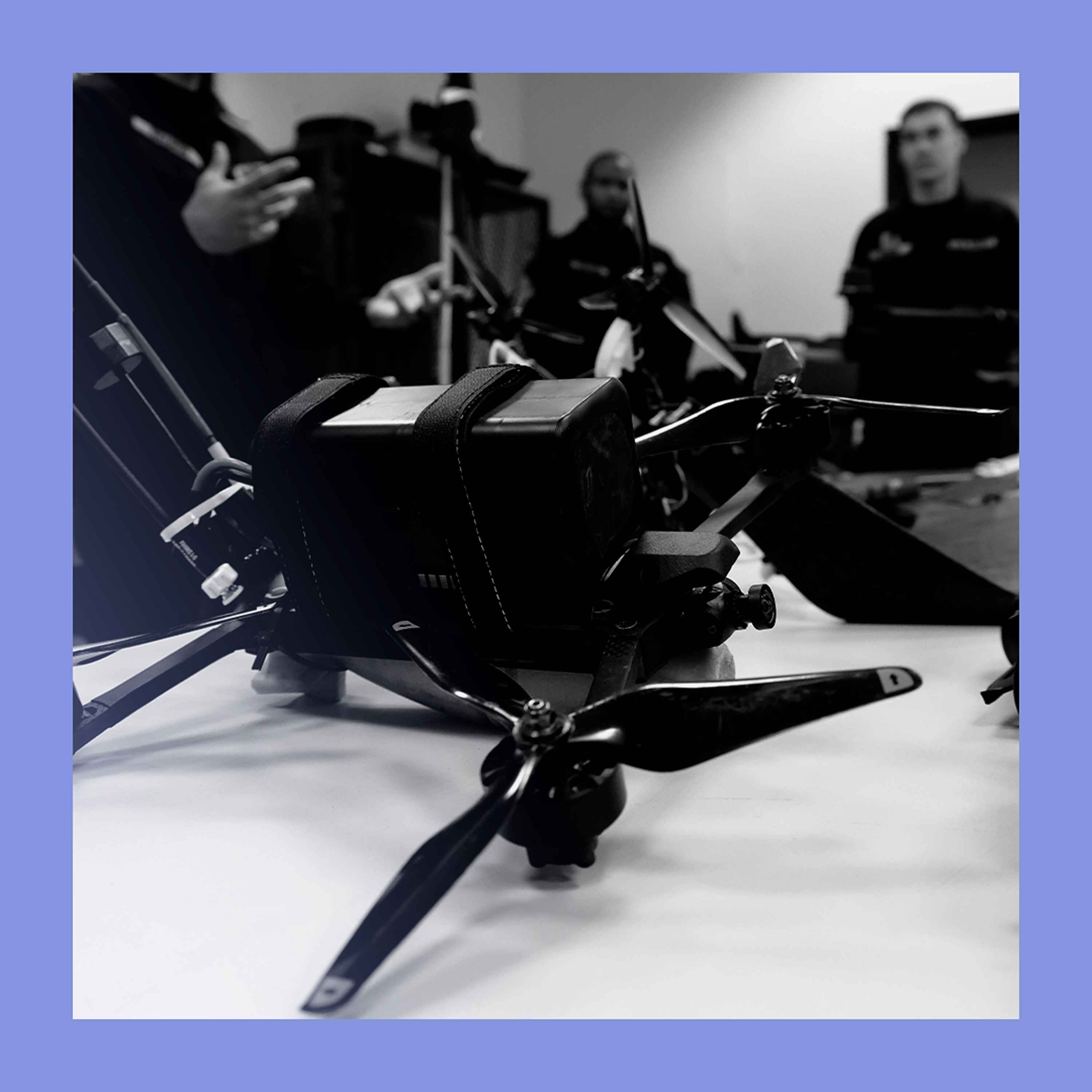
The Department of War is threatening to blacklist Anthropic for prohibiting military use of its AI, a severe penalty typically reserved for foreign adversaries like Huawei. This conflict represents a proxy war over who dictates the terms of AI use: the technology creators or the government.