Get your free personalized podcast brief
We scan new podcasts and send you the top 5 insights daily.
Effective work-life balance is not about doing everything at 50% capacity. Instead, it's the ability to oscillate between extremes: to be fully engaged and sprinting when working, and to be fully disengaged and resting when not. This dynamic approach is more sustainable and effective for high performers.

Related Insights
The traditional 'finish strong' sprint leads to decisions made from depletion. Instead, adopt a rhythm of 'sustainable intensity'—showing up fully without burning out. This protects your energy, fosters clarity, and leads to more profitable, long-term results than short-term hustling.

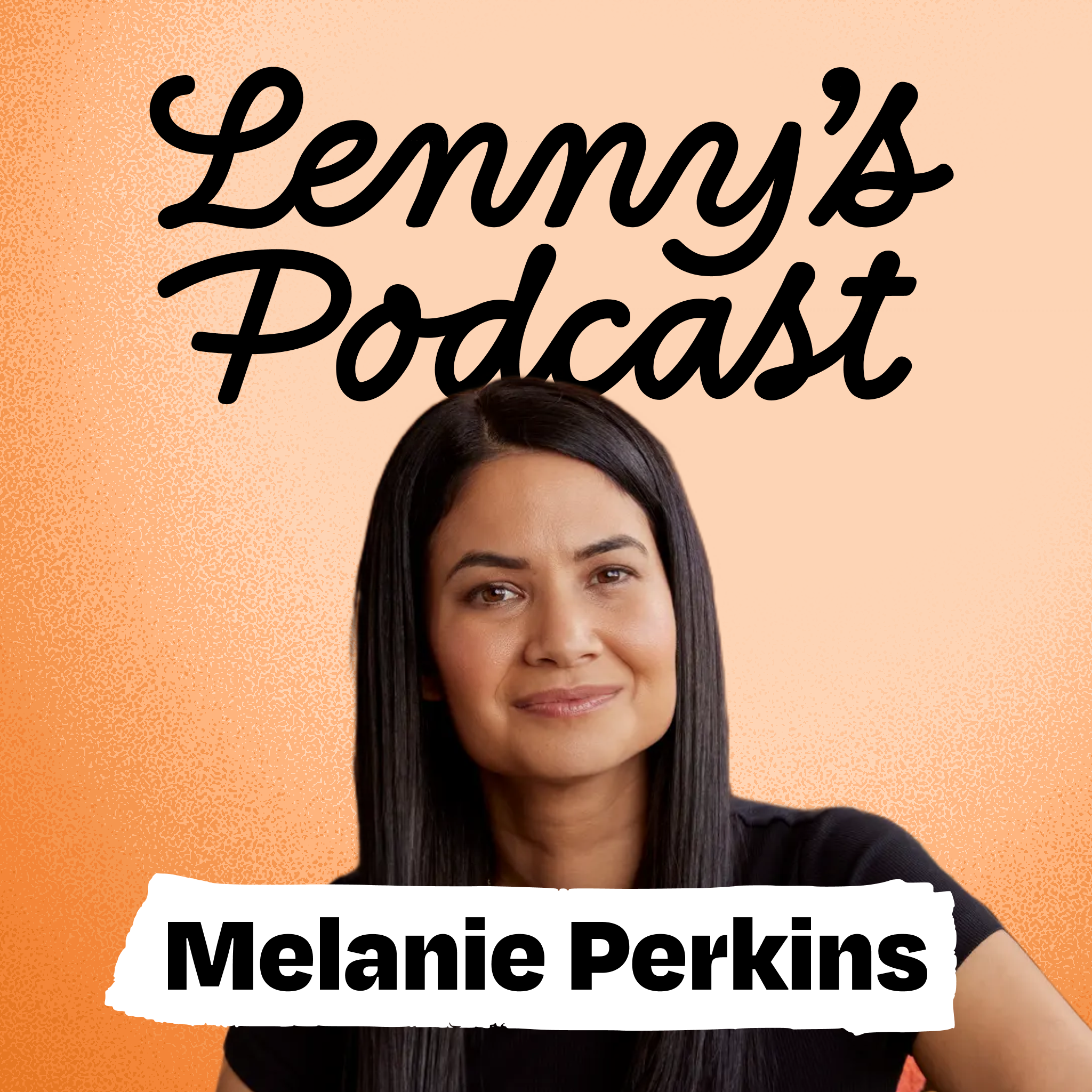
To maintain performance over the long term, Canva's CEO deliberately creates strict boundaries between work and life. By removing email from her phone, she can be "all in" when working at her laptop and "all out" when she's not, allowing for true mental separation and recovery.
The pursuit of a perfect, static balance is a myth. True balance, like standing on a balance board, is a dynamic process of constant micro-adjustments. The skill is not in finding a fixed center but in becoming adept at the perpetual act of readjusting between competing priorities.

We often optimize workflows to save time, only to fill that newfound time with more tasks. The real purpose of productivity should be to create intentional 'park bench moments' of rest and enjoyment. This space is the goal of the effort, not a byproduct.
Even for the most driven individuals, the key to avoiding overwhelm is internalizing the mantra: "Doing less is always an option." This isn't about quitting but recognizing that strategic pauses and rest are critical tools for long-term, sustainable high performance.

Constant, raw speed leads to burnout. A more effective operational model uses "pace"—a sustainable level of high performance—and "intervals," which are targeted sprints for key initiatives. This approach allows an organization to maintain long-term momentum without exhausting its team.
![Ric Elias - The Art of Living Well - [Invest Like The Best, CLASSICS] thumbnail](https://megaphone.imgix.net/podcasts/c8d024f8-df4f-11f0-840d-5ff663ee0c32/image/078ac81caab6c002687a18b68c841394.jpg?ixlib=rails-4.3.1&max-w=3000&max-h=3000&fit=crop&auto=format,compress)
Instead of asking, "Have I worked enough to deserve rest?", ask, "Have I rested enough to do my best work?" This shift reframes rest from a reward you must earn into a necessary input for quality, compassion, and higher-level thinking. When in a fight-or-flight state, you lack access to the brain regions required for your most meaningful work.
There is no universal standard for "balance." Instead of chasing a perfect equilibrium, entrepreneurs should communicate openly with partners about fluctuating work demands. Some weeks will be intense, while others can be dedicated to relationships. The key is intentionality and communication, not a static, mythical state.

Daniel Ek argues the obsession with time management (e.g., 15-minute meetings, waking at 4 AM) is misguided. The key to high performance is managing your energy—identifying what drains and energizes you and structuring your day accordingly, defying conventional productivity advice.

The concept of "work-life balance" is a fallacy. Instead, successful leaders integrate their life and work. This means creating firm boundaries and non-negotiable personal rituals, like a morning routine, to give to yourself first before you can effectively give to anybody else.
