Get your free personalized podcast brief
We scan new podcasts and send you the top 5 insights daily.
Finnish President Stubb observed that Donald Trump's private persona on the golf course was fun and unflustered, a stark contrast to his public image. This highlights that media portrayals are often incomplete, and personal interaction is key to understanding a person's true character.

Related Insights
Traditional media training aims to minimize controversy, resulting in inauthentic, "plastic" corporate leaders. The new media playbook is to speak as you would to a friend, showcasing deep knowledge and genuine personality. This authenticity, exemplified by figures like Elon Musk, builds trust and an audience.

Many politicians and public personalities manufacture their 'authenticity.' The host points to Hitler practicing hand gestures for hours as an extreme example. This suggests that what appears genuine is often a carefully crafted 'deliverable' designed to manipulate perception.

We adopt different 'personae' or social masks for various situations (e.g., authoritative professor, jovial friend). Mistaking one of these masks for your total self leads to a distorted experience. True self-knowledge involves recognizing these personae as convenient but temporary roles.

Mark Zuckerberg's evolution from a highly media-trained, scripted persona to an authentic public figure shows that the old playbook of message control is dead. The market now rewards leaders who are transparent and genuine ("this is me, deal with it"), even if they are less polished. Synthetically generated authenticity is easily spotted and rejected.

Bret Baier defends his off-the-record interactions with Donald Trump, such as golfing, not for immediate scoops but for understanding his mindset on key issues. This reframes the "access journalism" debate, suggesting the primary value lies in gaining strategic context rather than trading integrity for a single story.

Formal communiques from summits like the G7 are often watered-down compromises. The event's real value comes from providing a rare venue for leaders to have informal, one-on-one discussions without advisors. These candid, unscripted interactions can foster progress where formal sessions fail.
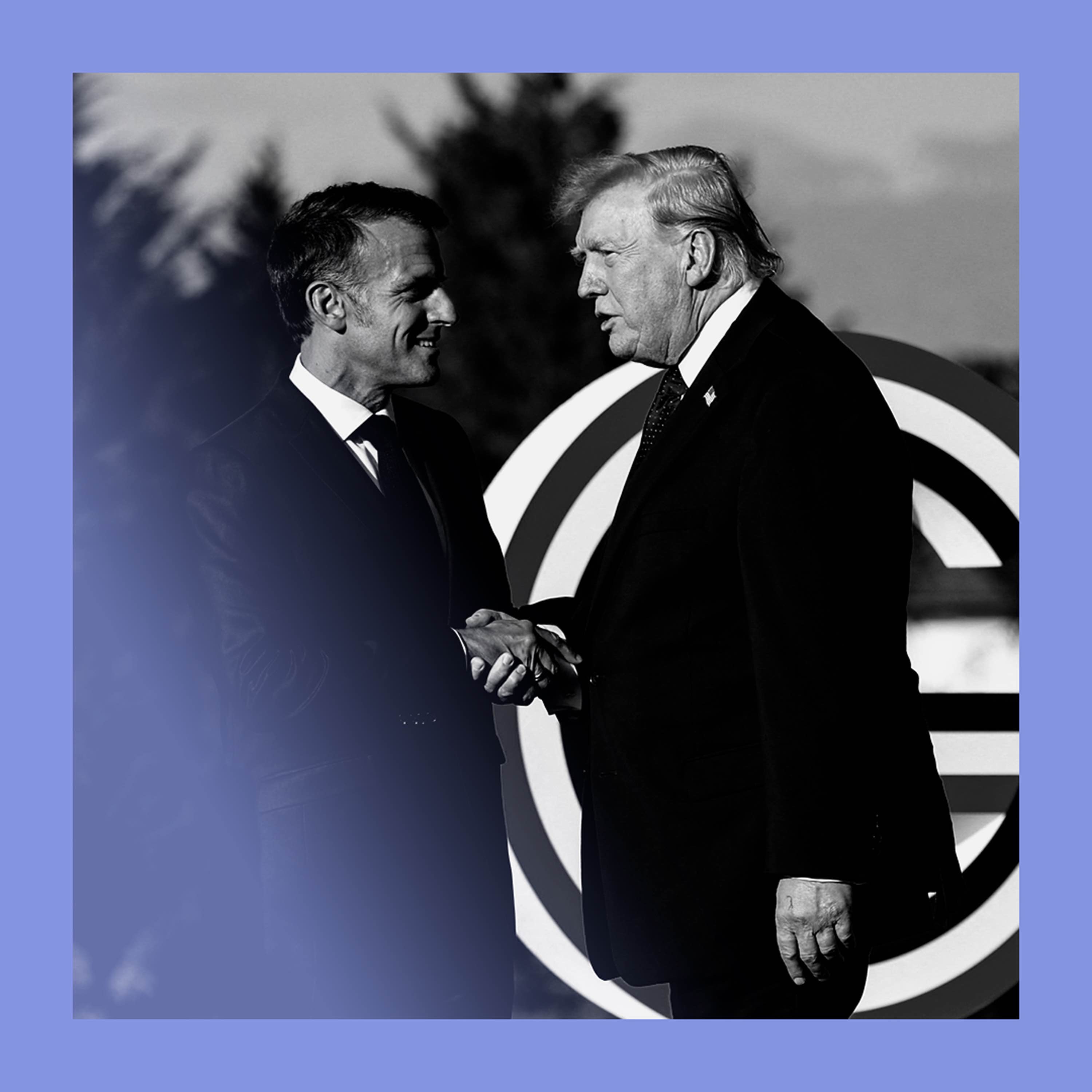
People are practiced and guarded during formal meetings. To understand their true nature, Negreanu suggests engaging with them in informal environments like a meal or drinks. This disarms them, making their reactions more authentic and revealing.

Some leaders are powerful in a small room but appear wooden on camera. The ability to project charisma through a lens is a separate skill from in-person magnetism. This "television charisma" is becoming increasingly crucial for political viability, and the two are not interchangeable.
Despite his image as a staunch Londoner, Samuel Johnson's gruff exterior concealed a lifelong, frustrated passion for world travel, which poverty prevented him from pursuing until late in life. This highlights the significant gap that can exist between public perception and private reality.

Informal settings like a golf course can reveal a person's true character more effectively than formal meetings. Sharing an activity where individuals struggle and react to success and failure builds rapport and trust, which is invaluable in diplomacy and business.