Get your free personalized podcast brief
We scan new podcasts and send you the top 5 insights daily.
The Chinese Communist Party's power is illegitimate, creating a high-paranoia, low-trust environment even at the highest levels. This internal fragility is a key weakness. The US can exploit this by recruiting assets among officials who fear for their future and see America as a potential 'bug out point.'
![Darren Farber on Iran, China, and the Rise of Neoprimes - [Invest Like the Best, EP.474] thumbnail](https://megaphone.imgix.net/podcasts/ef669774-cccd-11ed-889b-c36caad6646f/image/158efdddfb983d2678b3530d484e8aa2.jpg?ixlib=rails-4.3.1&max-w=3000&max-h=3000&fit=crop&auto=format,compress)
Related Insights
Despite nationalist rhetoric, China is not positioned for external conflict. Decades of corruption have hollowed out its military leadership and incentivized elites to move their capital overseas, making them resistant to any war that would jeopardize their Western assets.

The unprecedented removal of top generals, including longtime confidants, suggests Xi feels his grip on the military is fragile. This is seen as a sign of weakness and concern over the loyalty and combat readiness of his top commanders.
A potential invasion of Taiwan by China is less likely due to internal military purges and dissent than to US military posturing. An authoritarian leader like Xi Jinping cannot launch a complex invasion if he doesn't trust his own generals, making domestic instability a powerful, albeit unintentional, deterrent.

Rather than external competition, the biggest threat to both the U.S. and China is internal self-sabotage. The U.S. is unraveling through political polarization, while China's CCP drives out its best talent through rigid policies. Both nations are adept at 'beating the shit out of themselves.'

China is structurally incapable of displacing the U.S. due to a trio of critical weaknesses: Xi Jinping's consolidation of power has paralyzed decision-making, geography boxes in its military, and an irreversible demographic crisis signals imminent collapse.

The most potent threat to an authoritarian regime comes not from visible dissidents, who are often neutralized, but from patriotic loyalists within the system. These insiders believe the current leadership is corrupt and harming the country, making their patriotism a powerful tool that can be turned against the regime.

Life as a CCP official involves constant, intense pressure. With every interaction being politically charged and the threat of a purge ever-present, the system is fundamentally low-trust. This creates a terrifying work environment where political survival is a daily concern.
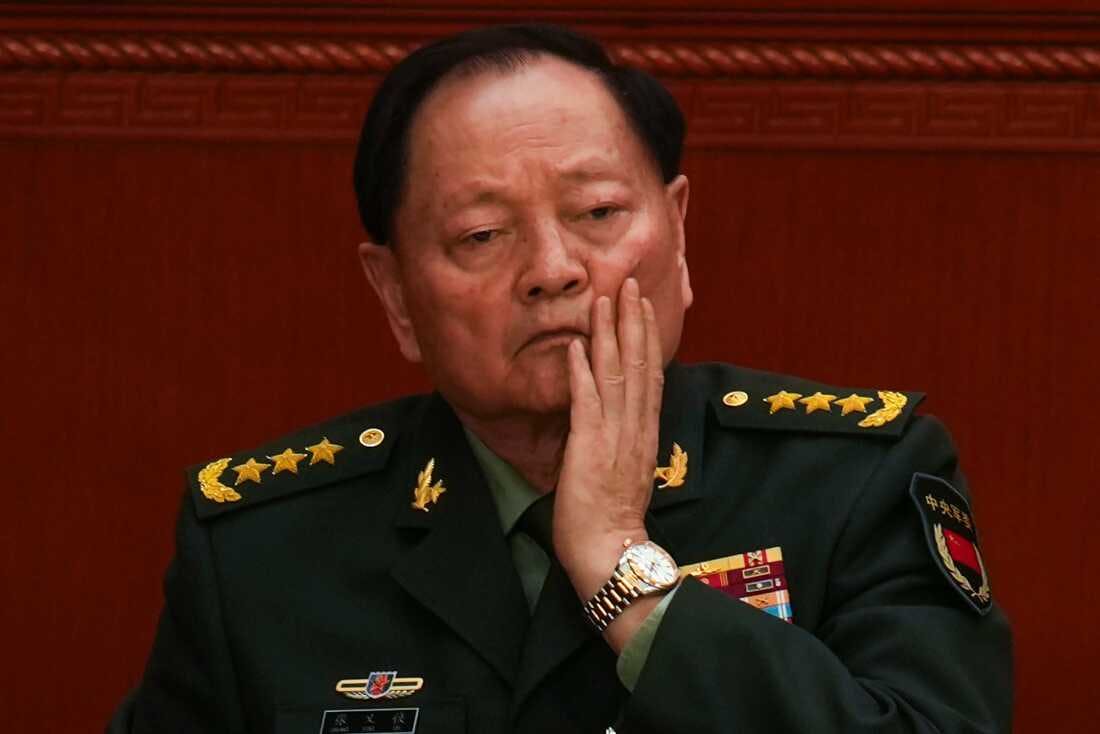
The official narrative of China's top general leaking nuclear secrets is likely a cover for a deeper power struggle between President Xi and the military establishment. The ongoing purges are a sign of internal conflict for control, making an invasion of Taiwan less likely due to a destabilized command structure.

Dictatorships appear strong because they control the state apparatus and outlaw opposition. However, this same structure makes them weak. Their fundamental illegitimacy means they haven't been truly tested and are plagued by internal paranoia and a lack of trust, creating significant vulnerabilities.
Authoritarian leaders deliberately foster competition and division among their security services. This prevents any single group from becoming powerful enough to stage a coup, but it also creates deep-seated animosities and disaffection that external actors can exploit to destabilize the regime.