Get your free personalized podcast brief
We scan new podcasts and send you the top 5 insights daily.
Despite nationalist rhetoric, China is not positioned for external conflict. Decades of corruption have hollowed out its military leadership and incentivized elites to move their capital overseas, making them resistant to any war that would jeopardize their Western assets.

Related Insights
The ongoing purges in China's military are likely more than just power consolidation. Bill Bishop suggests Xi Jinping may be intentionally removing entire generations of senior officers who rose by buying their promotions. This radical "decapitation" aims to clear the way for a younger, more meritocratic officer class.
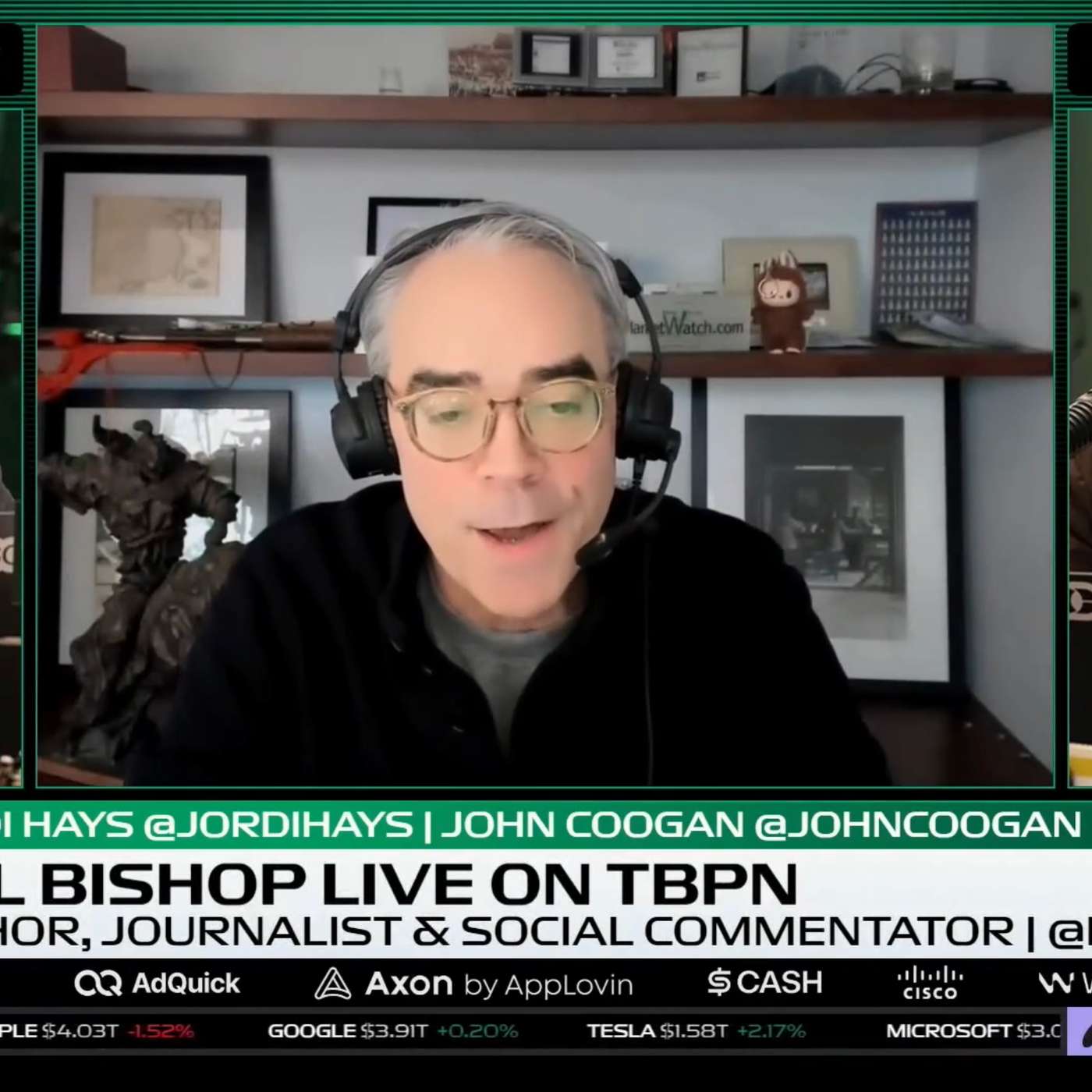
A potential invasion of Taiwan by China is less likely due to internal military purges and dissent than to US military posturing. An authoritarian leader like Xi Jinping cannot launch a complex invasion if he doesn't trust his own generals, making domestic instability a powerful, albeit unintentional, deterrent.

China's showcase of advanced military hardware, like its new aircraft carrier, is primarily a psychological tool. The strategy is to build a military so 'forbiddingly huge' that the US would hesitate to engage, allowing China to achieve goals like reabsorbing Taiwan without fighting. This suggests their focus is on perceived power to deter intervention.

China is structurally incapable of displacing the U.S. due to a trio of critical weaknesses: Xi Jinping's consolidation of power has paralyzed decision-making, geography boxes in its military, and an irreversible demographic crisis signals imminent collapse.

Xi Jinping's widespread purges, aimed at consolidating power and rooting out corruption, have hollowed out the People's Liberation Army's experienced leadership. This creates a significant capabilities gap and operational readiness problem, potentially jeopardizing the military's ability to meet Xi's own 2027 deadline for being capable of invading Taiwan.
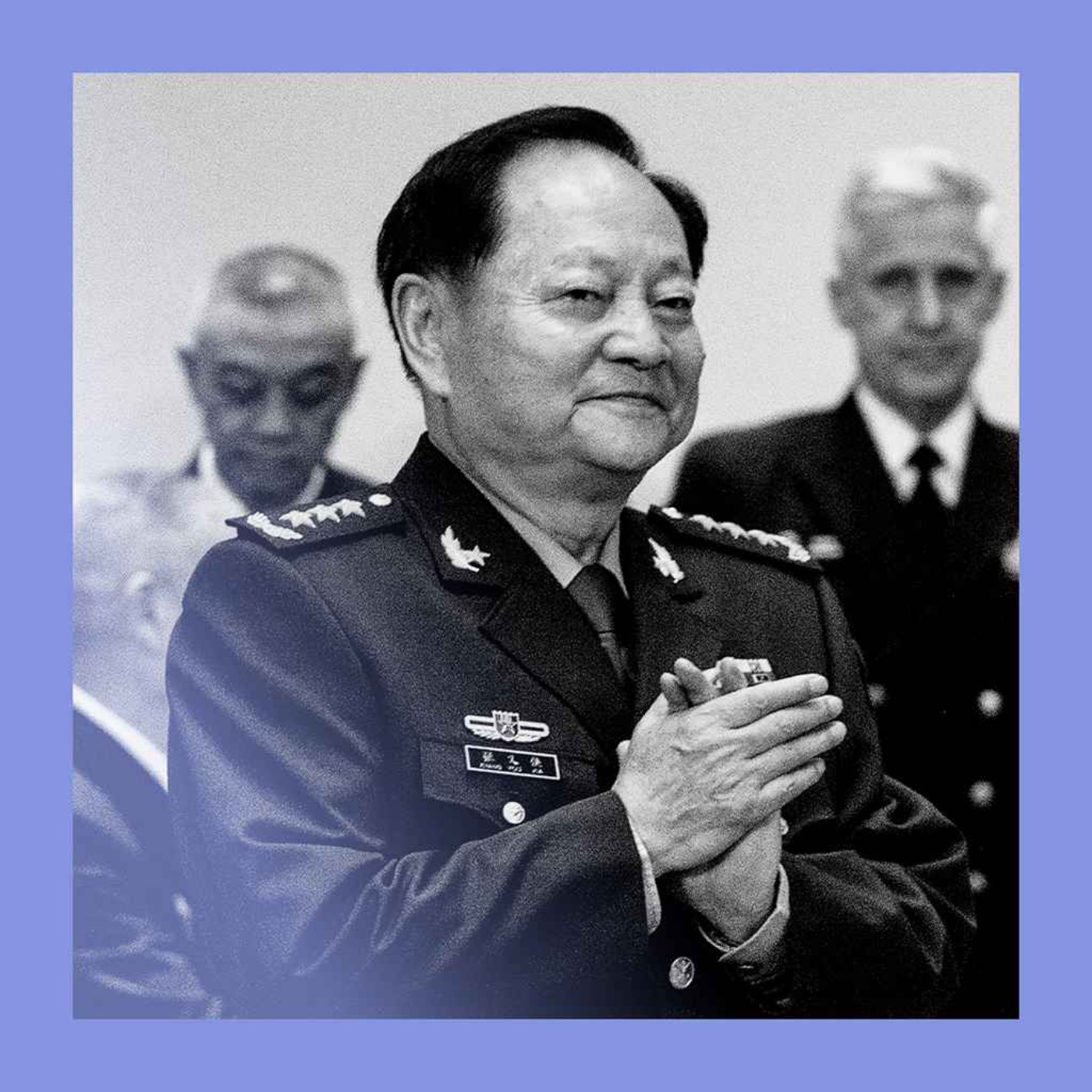
The official narrative of China's top general leaking nuclear secrets is likely a cover for a deeper power struggle between President Xi and the military establishment. The ongoing purges are a sign of internal conflict for control, making an invasion of Taiwan less likely due to a destabilized command structure.

Xi Jinping's willingness to decapitate his military leadership suggests he feels secure about the external environment. He perceives no immediate crisis over Taiwan, giving him the political space to conduct a thorough and disruptive internal consolidation.
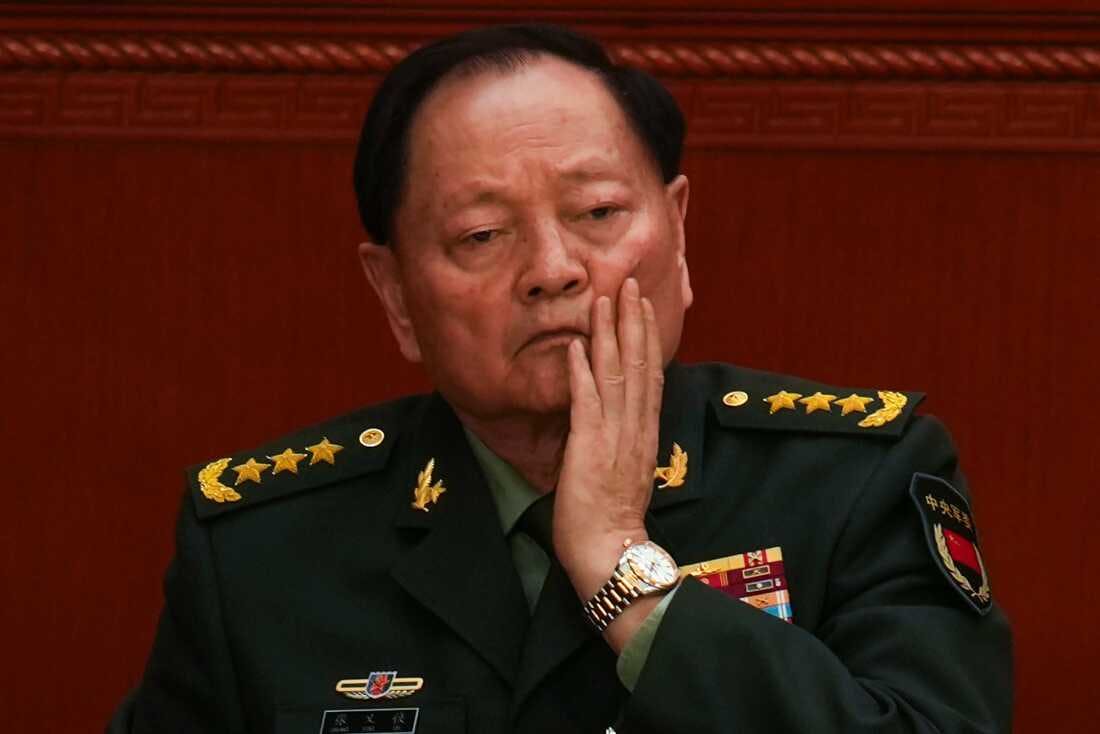
Xi Jinping's primary goal is CCP control. A failed invasion of Taiwan resulting in tens of thousands of casualties from a military composed almost entirely of only-children could trigger societal unrest, destabilizing the Communist Party's grip on power. This makes a high-casualty war a huge gamble.

The US-China conflict is overstated because China's elite were largely educated in American universities. This "colonization" of mindset means they are ideologically aligned with and financially tied to America, making them desperate for a deal, not a war.
Widespread corruption within the PLA means nearly every senior officer has a usable 'dossier.' This provides Xi Jinping with a permanent, justifiable pretext to eliminate anyone for political reasons, with corruption charges acting as the public-facing justification.