Get your free personalized podcast brief
We scan new podcasts and send you the top 5 insights daily.
Facing lawsuits from 13 attorney generals, Grindr's new owners hired the retired Head of Global Privacy from Yahoo. On his first call, the AGs recognized him and his reputation. This single "talent upgrade" signaled the company was now run by professionals, leading 12 of the 13 AGs to effectively drop their issues.

Related Insights
Lyft's co-founders recognized a common corporate governance weakness: boards are often too far removed from customers, focusing instead on finance and high-level strategy. They recruited David Risher specifically for his "customer obsession" to bring that critical perspective into the boardroom.

The U.S. government (via CFIUS) forced Grindr's Chinese owner to sell within one year over national security concerns. This created a distressed, time-sensitive M&A situation with a limited buyer pool, which savvy, non-traditional investors were able to capitalize on.
Instead of engaging in PR wars, CEO Alex Bouaziz's strategy for handling litigation is to focus internally on business performance. He believes that winning in the marketplace and the court of law are what truly matter, and he avoids fighting 'useless battles' in the press, letting the company's growth and legal process speak for themselves.

Jim Clayton believed over 80% of legal claims originate from a failure to deliver customer satisfaction. Instead of hiring lawyers to fight, he personally called angry customers or visited homes to fix problems, solving the root cause for a fraction of the cost of litigation.
![Jim Clayton: Turning Competitors’ Mistakes Into $1.7B [Outliers] thumbnail](https://megaphone.imgix.net/podcasts/2a71345e-adb9-11f0-ae83-27d57f0d3d65/image/8982cc611441ae8952644f9fa63796c2.png?ixlib=rails-4.3.1&max-w=3000&max-h=3000&fit=crop&auto=format,compress)
The company's leadership philosophy, borrowed from Palantir, is to hire highly opinionated and sometimes difficult talent. While this feels chaotic, these individuals are essential for innovation and adaptation, unlike talent that merely optimizes existing, stable systems.
Grindr generated $100M in revenue and $45M in profit despite a dismal 1.8-star App Store rating and 19% Glassdoor score. These terrible qualitative metrics, paired with strong financials, indicated the company was severely undermanaged and ripe for a turnaround through basic operational improvements.
Grindr had a stack of issues: a privacy lawsuit, Chinese ownership (CFIUS), a PR problem, and homophobia. While most investors flee "one-problem" deals, this combination scared off nearly everyone, creating a massive opportunity for buyers who weren't deterred by the complexity.
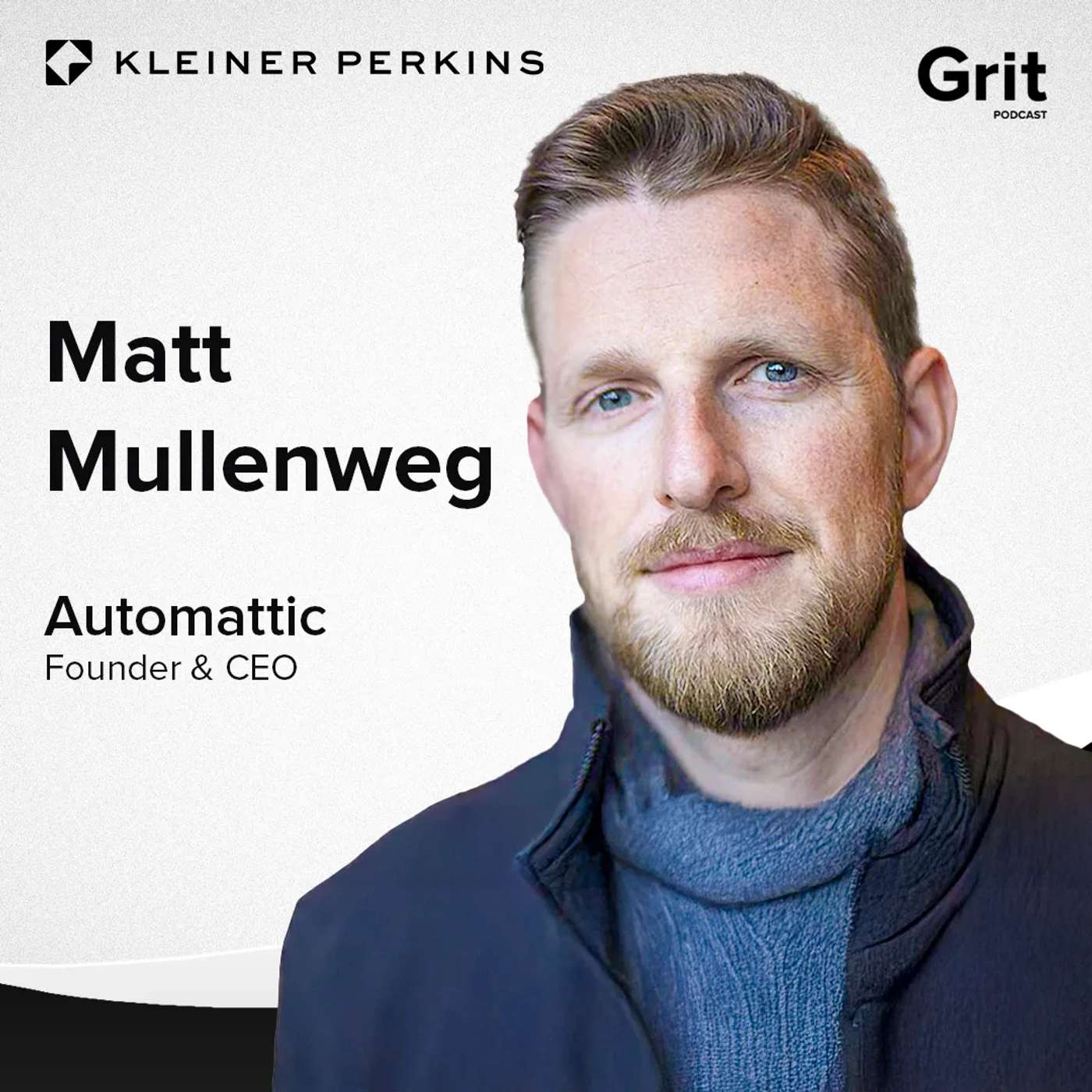
Counter to the modern "founder-led" mantra, a 20-year-old Matt Mullenweg hired an experienced CEO to run Automattic. This "Google era" model prioritized veteran leadership to scale the company, allowing the young founder to focus on product before eventually taking back the reins.
Early-stage companies need experienced executives not just for their skills, but for their 'borrowed credibility.' A well-respected leader like former CEO Bob Muglia lent Snowflake instant legitimacy, which inspired belief in the team, reassured customers, and empowered the young founders.

When a key leader left Cloudflare for a CEO job, Michelle Zatlin reframed the frustration. She views it as a positive signal that other public companies recruit from their team for top jobs. This perspective validates the company's talent caliber and helps manage the pain of recruiting again.
