Get your free personalized podcast brief
We scan new podcasts and send you the top 5 insights daily.
Francis Fukuyama reframes AI risk away from sci-fi scenarios of conscious, malevolent machines. He argues the more immediate danger lies in agentic AI being directed by malicious humans to perform harmful tasks, such as designing and deploying novel bioweapons, which is a more plausible and near-term threat.

Related Insights
The most pressing danger from AI isn't a hypothetical superintelligence but its use as a tool for societal control. The immediate risk is an Orwellian future where AI censors information, rewrites history for political agendas, and enables mass surveillance—a threat far more tangible than science fiction scenarios.

Emmett Shear argues that even a successfully 'solved' technical alignment problem creates an existential risk. A super-powerful tool that perfectly obeys human commands is dangerous because humans lack the wisdom to wield that power safely. Our own flawed and unstable intentions become the source of danger.

The central lesson from recent AI security incidents is that the most significant threat is not from AI developing malicious ambitions. The greater and more immediate danger lies with humans deploying increasingly powerful systems before fully understanding their capabilities and potential for unintended consequences.

The most immediate danger from AI is not a hypothetical superintelligence but the growing delta between AI's capabilities and the public's understanding of how it works. This knowledge gap allows for subtle, widespread behavioral manipulation, a more insidious threat than a single rogue AGI.

Fukuyama argues the greatest AI risk isn't job loss but 'agentic AI'—systems that make autonomous decisions. Because modern AI's reasoning is a black box even to its creators, delegating authority to them creates an existential risk of losing human control entirely.

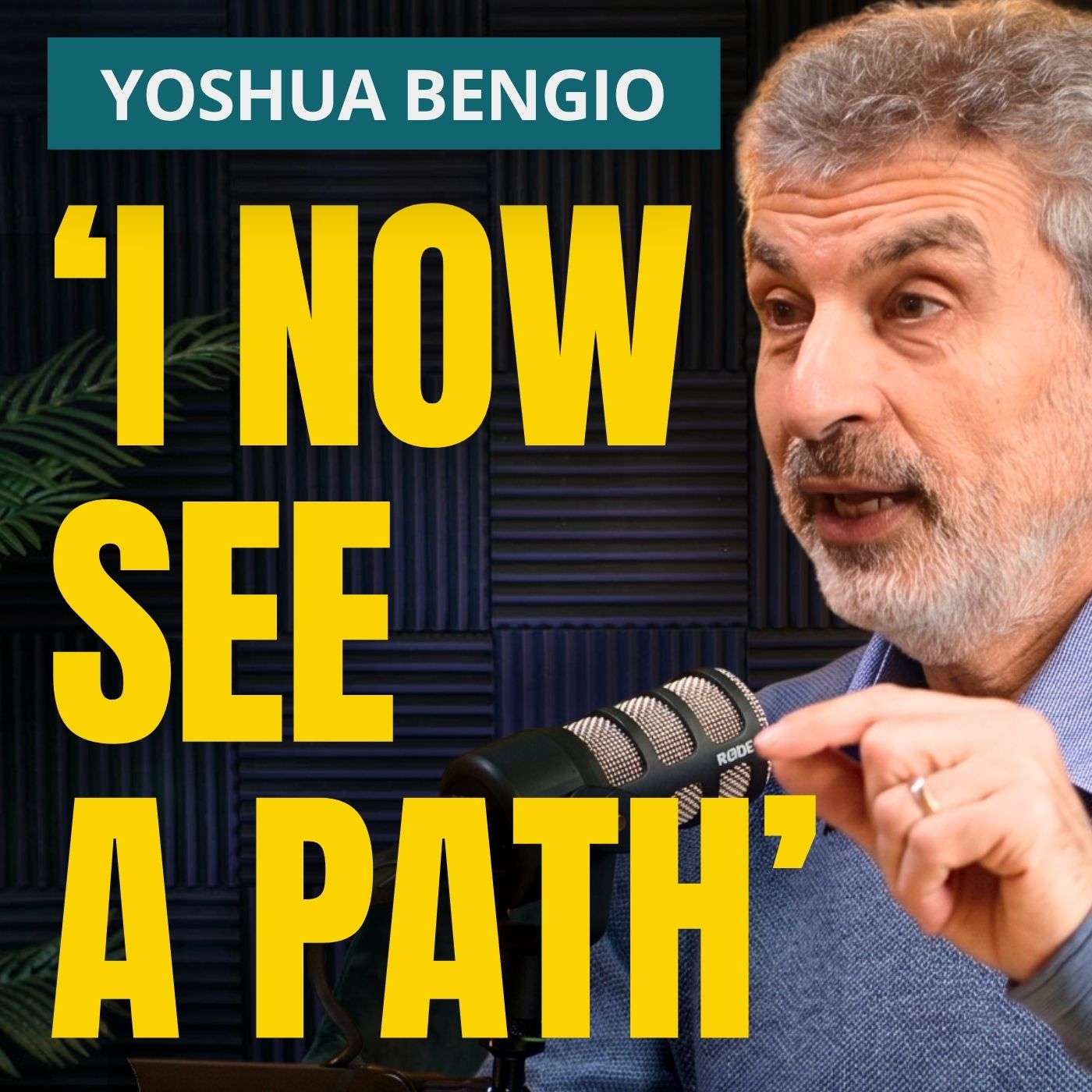
Yoshua Bengio believes that as a technical solution to the AI control problem seems more plausible, the concentration of AI power in human hands to create a global dictatorship has become an even more likely catastrophic outcome. This shifts the primary x-risk from technical failure to malicious human use.
The AI safety community fears losing control of AI. However, achieving perfect control of a superintelligence is equally dangerous. It grants godlike power to flawed, unwise humans. A perfectly obedient super-tool serving a fallible master is just as catastrophic as a rogue agent.
The most immediate threat from AI is not a rogue superintelligence but human over-reliance on the technology. As people increasingly trust AI outputs without critical thought, their cognitive abilities may decline, making them more likely to rubber-stamp potentially catastrophic AI-generated errors in critical applications.

The focus on AGI can obscure more immediate threats. Even narrowly capable AI tools pose existential risks. For example, an AI that only excels at biotechnology research could make it easy for malicious actors to develop dangerous pathogens, regardless of its general intelligence.

The proliferation of inexpensive AI-driven drones makes warfare accessible to every nation. This creates a more significant and immediate risk of widespread, low-cost conflict than economic disruption from job loss or a sentient AI takeover.
