Get your free personalized podcast brief
We scan new podcasts and send you the top 5 insights daily.
The proliferation of inexpensive AI-driven drones makes warfare accessible to every nation. This creates a more significant and immediate risk of widespread, low-cost conflict than economic disruption from job loss or a sentient AI takeover.

Related Insights
The most significant danger of autonomous weapons is not a single rogue robot, but the emergent, unpredictable behavior of competing AI systems interacting at machine speed. Similar to algorithmic trading 'flash crashes', these interactions could lead to rapid, uncontrolled conflict escalation without a human referee to intervene.

The conflict in Ukraine demonstrates that modern warfare is rapidly changing due to AI, which enables fast, iterative development of low-cost drones. Investing in swarms of intelligent drones is now more strategically important than traditional, expensive military assets like aircraft carriers.

The conversation will shift from the ethics of using AI in combat to the immorality of *not* using it. Just as autonomous cars will eventually be safer than human drivers, AI-guided weapons will be more precise and less likely to cause unintended harm, making their use a moral obligation.
The most significant strategic shift from AI is not its role in nuclear weapons, but its ability to give many nations mass precision-strike capabilities with conventional drones and missiles. This proliferation erodes the US's conventional military advantage and could create widespread global instability.

The key takeaway from conflicts in Ukraine and Iran is the severe cost imbalance created by drones. Cheap, disposable drones can threaten multi-million dollar assets, forcing a strategic shift toward developing low-cost, mass-produced "attributable weapons" to level the economic playing field.

The debate over autonomous weapons is often misdirected. Humanity has used autonomous weapons like landmines for centuries. The paradigm shift and true danger come from adding scalable, learning "intelligence" to these systems, not from the autonomy itself.

The most dangerous phase of AI in warfare is when humans are removed from the decision-making loop. Once one adversary adopts fully autonomous weapons, others will be forced to do the same to remain competitive, creating an unavoidable and terrifying technological arms race.

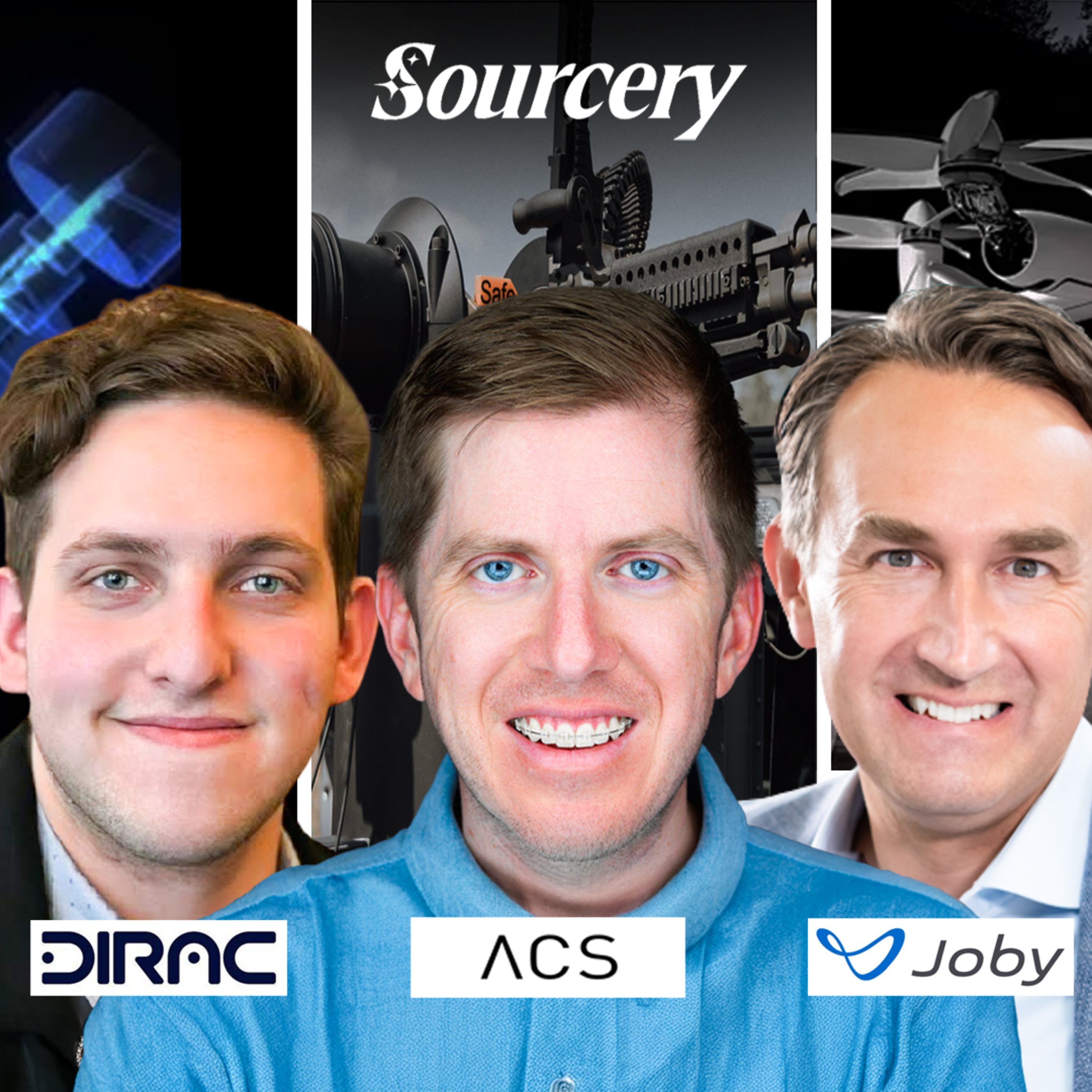
As autonomous weapon systems become increasingly lethal, the battlefield will be too dangerous for human soldiers. The founder of Allen Control Systems argues that conflict will transform into 'robot on robot action,' where victory is determined not by soldiers, but by which nation can produce the most effective systems at the lowest cost.
The US military is less concerned about its own AI going rogue and more worried that adversaries like China, who distrust their own generals due to graft or incompetence, will fully automate military decision-making to eliminate human risk, creating a dangerous strategic imbalance.
The rise of drones is more than an incremental improvement; it's a paradigm shift. Warfare is moving from human-manned systems where lives are always at risk to autonomous ones where mission success hinges on technological reliability. This changes cost-benefit analyses and reduces direct human exposure in conflict.
