Get your free personalized podcast brief
We scan new podcasts and send you the top 5 insights daily.
Despite opportunities to grow into a massive brand, founder Smithy Sodine is hesitant. She values her direct customer relationships and flexible lifestyle, recognizing that massive scale could create a "prison" and sacrifice the very things she enjoys about her business.

Related Insights
Scaling a business introduces tasks you don't enjoy (management, sales, accounting). The sole path to maintaining purity is to remain a solo craftsman, doing only the work you love for select clients. You must manage demand by raising prices, not by expanding operations and hiring.

Founders often equate constant hustle with progress, saying yes to every opportunity. This leads to burnout. The critical mindset shift is recognizing that every professional "yes" is an implicit "no" to personal life. True success can mean choosing less income to regain time, a decision that can change a business's trajectory.

The biggest scaling mistake is reverse-engineering another person's success blueprint. This fails because their strategy was built for their life, not yours. Sustainable scaling requires designing your business model to first support your personal goals, whether it's more family time or flexible travel.
Despite data showing high demand, Hallie Meyer instinctively "presses the brakes" on scaling her ice cream business. She fears that rapid growth could "burst the bubble of obsession" customers have with the product and its intimate experience, consciously prioritizing brand love over immediate expansion.

Social media's "highlight reels" create pressure to build massive companies. Instead of chasing vanity metrics, owners should define what success looks like for them personally. A profitable company that affords a great life is often a better goal than a stressful, high-growth venture that doesn't align with your values.

The podcast host chose to forego scaling his company from a $30M valuation to a potential $300M+ because it would have required changing the team and culture he cherished, illustrating a key tradeoff between wealth and values.

Counter to the "growth-at-all-costs" mindset, Faberge deliberately built her business around a non-scalable core: one meaningful human connection at a time. She believes her role is to "ignite a fire" that spreads organically, rather than trying to control and meet everyone herself.

Founder burnout is often a product of the business you design. MarketBeat's founder maintains longevity by actively rejecting potentially lucrative but stressful models, such as offering phone support. He builds constraints around the business to align it with his personal and family priorities.
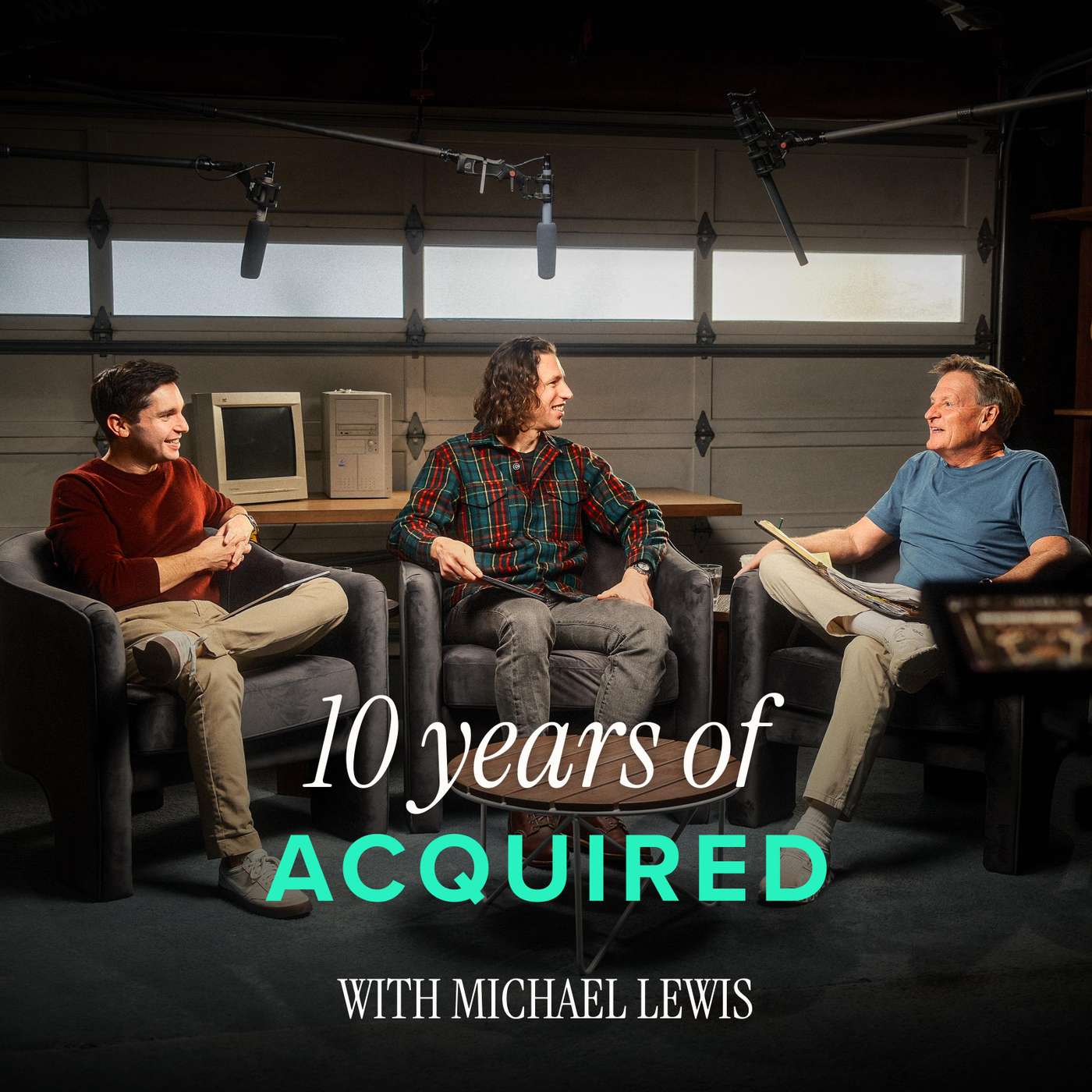
The founders of Acquired consciously choose not to build a large media company, a decision reinforced by an investor who warned that many founders become trapped in "prisons of their own making." By prioritizing founder control and lifestyle, they avoid the obligations that come with scaling an enterprise.
In the creator economy, success isn't always defined by venture-backed growth. Many top creators intentionally cap their audience size and reject outside investment to maintain full control over their business and content, defining success as a sustainable, manageable enterprise rather than a unicorn.
