Get your free personalized podcast brief
We scan new podcasts and send you the top 5 insights daily.
To foster transparency and continuous improvement, founder Mitchell Green conducts one-on-one meetings with every employee each year. He asks what they love/hate, what they would change, and what would make their job easier, using the feedback to enact real change.
![Mitchell Green - Lessons from Cold Calling 10,000 Companies - [Invest Like the Best, EP.464] thumbnail](https://megaphone.imgix.net/podcasts/75b94c5e-2716-11f1-9b2f-8fbf1bf324fd/image/d7dd1be81070080eb0ed10b88ca232d8.jpg?ixlib=rails-4.3.1&max-w=3000&max-h=3000&fit=crop&auto=format,compress)
Related Insights
Move beyond annual reviews by implementing a structured competency model for bi-monthly, one-hour check-ins. This practice removes ambiguity from feedback, makes it conversational and actionable, and creates a continuous, transparent growth loop.

Dario Amodei states that at Anthropic's scale (2,500 people), his most leveraged role is not direct technical oversight but maintaining culture. He achieves this through intense, direct communication, including a bi-weekly, hour-long, unfiltered address to the entire company to ensure everyone remains aligned on the mission and strategy.

Address cultural issues by applying product management principles. Use surveys to gather data and identify pain points, then empower the team to propose solutions. Test these ideas like product features and iterate based on what works, making culture-building a shared, active process.
Effective company culture isn't about corporate perks but about founders who genuinely invest in their employees as individuals. Taking the time to build personal relationships, such as meeting families, fosters a deeper, non-transactional connection that directly improves employee retention.
Before officially starting as CEO, Nicolai Tangen interviewed 140 employees with a single prompt: 'What's on your mind?' After about 70 conversations, clear patterns emerged, revealing the three most critical priorities for the organization. This process provides an unfiltered diagnostic and builds early trust.

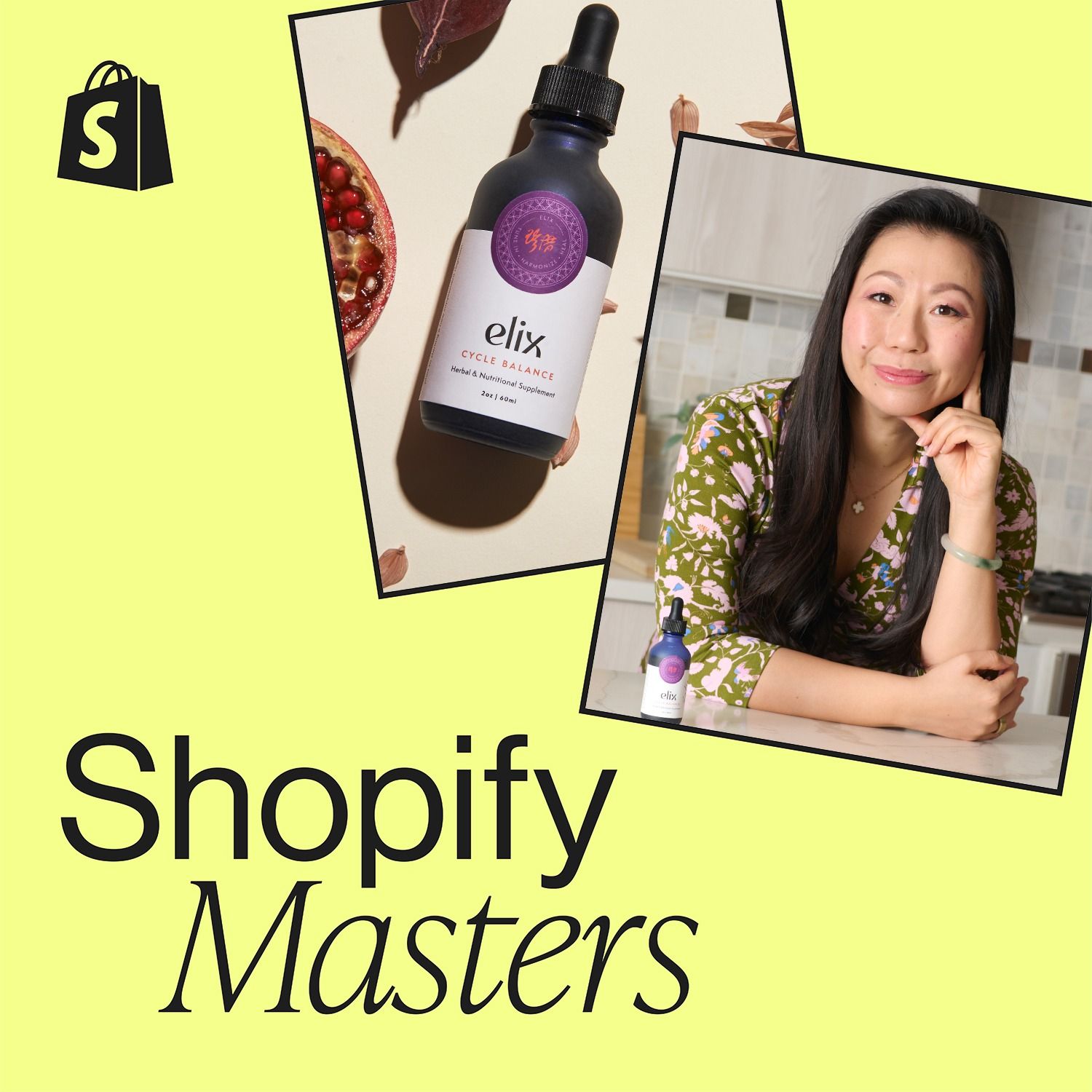
Elix mitigates the fear of 360-degree reviews by providing every full-time employee with an external coach. This structure ensures that critical feedback doesn't just feel exposing but is paired with professional guidance, turning potential blind spots into actionable development goals and fostering a true growth culture.
Venture capitalist Jeanne Cunicelli emphasizes that a core tenet of her leadership is fostering a "no surprises" environment. This means encouraging forthright communication and providing direct, real-time feedback, ensuring major issues are surfaced early and annual reviews never contain unexpected information.

A top-performing CEO adapted the board practice of an "executive session." He periodically removes himself from his own leadership meetings and asks an HR leader to gather candid feedback on his performance. This powerfully models vulnerability and a commitment to continuous improvement for the entire organization.

Elf's CEO hosts product review meetings every two weeks that are open to all employees, regardless of role. He actively monitors the meeting's chat for feedback, believing the best ideas can come from anyone, like an inventory planner with a contrarian view on a new product.

Companies, especially in tech, often confuse superficial perks with genuine culture. Real company culture isn't about coffee bars or paid time off; it's about leadership actively listening to employees and fostering an environment of trust where internal promises are consistently kept.
