Get your free personalized podcast brief
We scan new podcasts and send you the top 5 insights daily.
Reliable, high-speed internet is no longer a luxury but a baseline expectation in private aviation. The introduction of Starlink has made it a "game changer" to the point where clients will turn down a flight if the aircraft isn't equipped with it, prioritizing productivity and connectivity.

Related Insights
Starlink is no longer just for remote areas. It's adopting mass-market tactics like physical stores, Super Bowl ads, and cheaper plans to compete directly with giants like Comcast and AT&T in ex-urban areas, aiming to fuel growth ahead of its IPO and Amazon's market entry.

Contrary to seeing technologies like Starlink's optical links as a threat, Northwood's CEO views them as a catalyst. By reducing latency and enabling higher data throughput in space, these links expand the overall market and create more use cases, ultimately driving more data volume that must eventually connect back to Earth.

Following predictions from Jeff Bezos and investments from Eric Schmidt, Elon Musk has entered the space-based data center race. He stated that SpaceX will leverage its existing Starlink V3 satellites, which already have high-speed laser links, to create an orbital cloud infrastructure, posing a significant challenge to startups in the sector.

By integrating Starlink satellite connectivity directly into its cars, Tesla can solve for internet outages that cripple competitors. This creates a powerful moat, ensuring its fleet remains operational and potentially creating a new licensable mesh network for other vehicles.

High-speed internet on planes is shifting from a luxury to a key deciding factor for business travelers. Airlines offering Starlink, like United, are gaining a significant competitive advantage by turning planes into fully productive workspaces. This trend will force competitors to upgrade and could fuel a resurgence in business travel.

Executives like the CEO of Deutsche Telekom feel compelled to work with SpaceX because Starlink's technology is superior. They acknowledge, however, that these partnerships lend credibility and political capital to Elon Musk's company in Europe—a strategic trade-off they make for a better product.
When Airshare first introduced Wi-Fi, some customers were furious. They viewed private flight as their last refuge from constant connectivity and a rare opportunity to be unreachable. This highlights how perceived upgrades can sometimes conflict with a core, unstated value proposition—in this case, forced downtime.

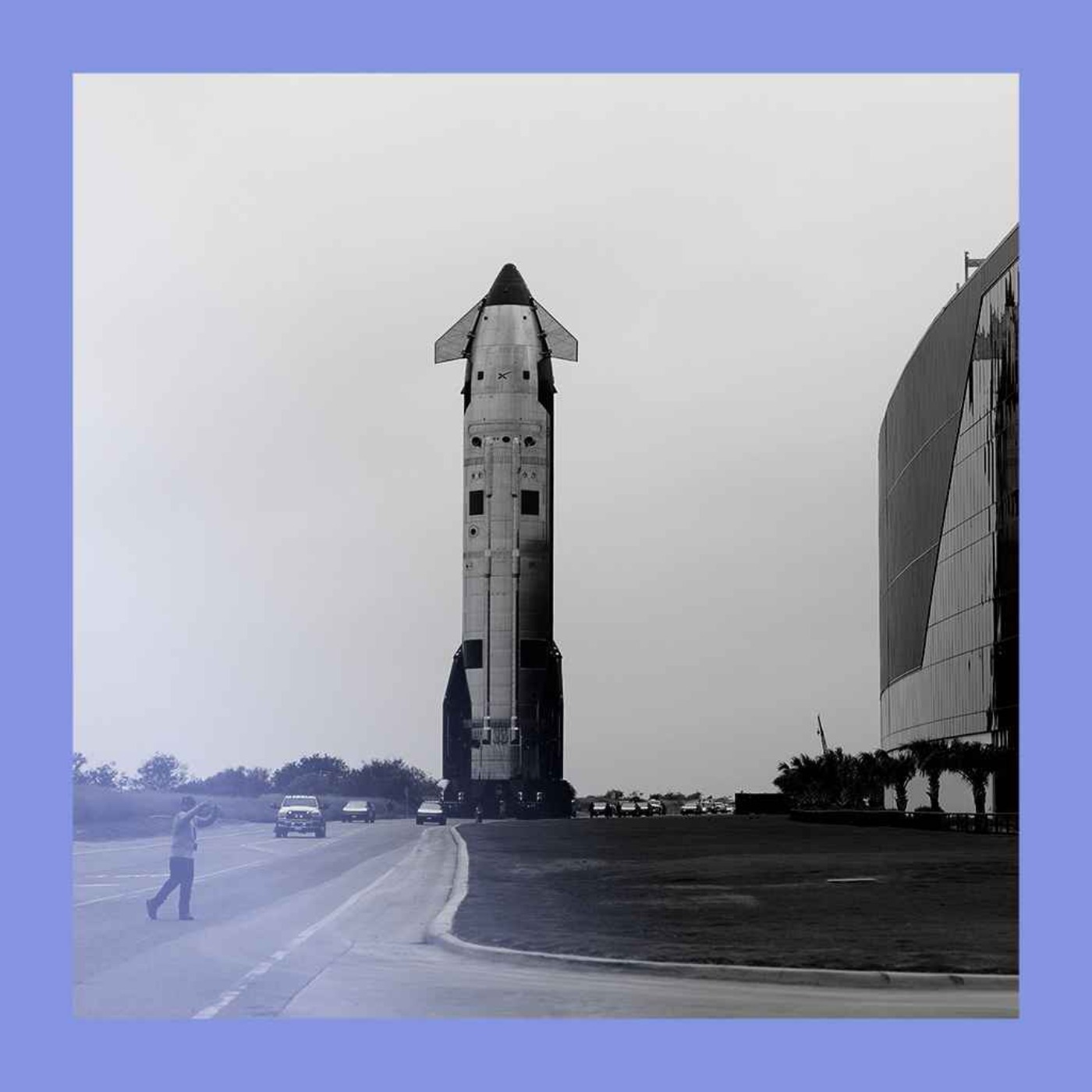
SpaceX's cash-cow, Starlink, is facing network congestion due to rapid growth. The solution requires larger satellites that are too big for the current Falcon 9 rocket. The success of the much larger, reusable Starship is therefore a critical bottleneck for unlocking Starlink's future profitability and expansion.
Beyond consumer connectivity, Starlink's satellite network and future space-based data centers are effectively building a backup internet. This extraterrestrial communication infrastructure offers a parallel system that could function independently of Earth's terrestrial cables, providing resiliency against civilizational upheaval or government collapse.

SpaceX’s mastery of rocket launches, which reduced costs by over 50x, is not just a service they sell. It's a strategic advantage that enables their highly profitable, high-margin Starlink satellite internet business, creating a powerful, self-reinforcing flywheel where they are their own biggest customer.
