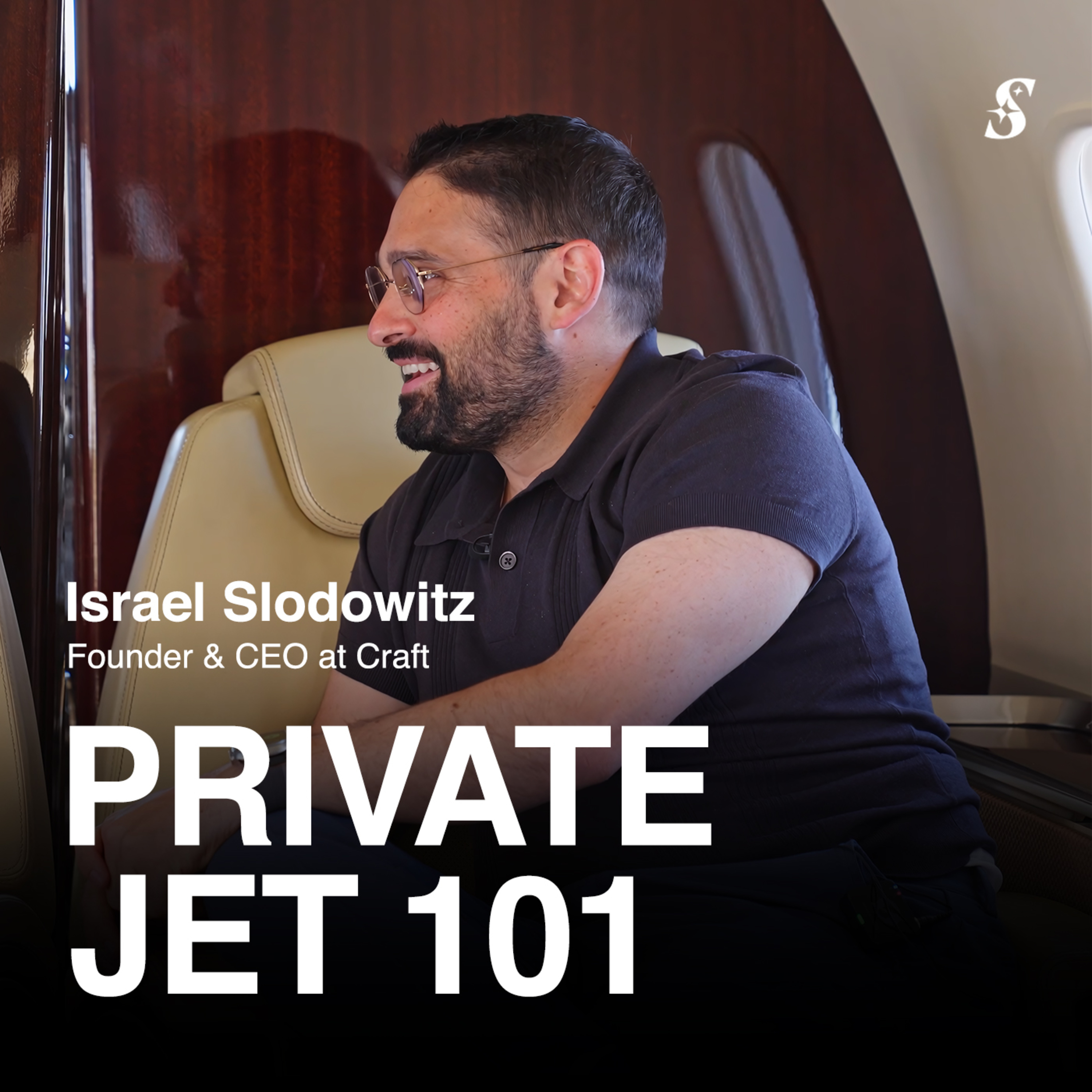
The massive wealth creation from IPOs like OpenAI and SpaceX is fundamentally different from historical wealth. This "new money" has distinct spending priorities, creating an unprecedented demand surge in industries like private aviation that are unprepared for the scale.
Unlike previous generations who began with charters or light jets, today's newly wealthy are entering the private aviation market by purchasing larger, more capable aircraft like the Challenger 350 from the outset, completely bypassing the traditional entry-level options.
The industry's infrastructure—from manufacturing to pilot training—is not built to scale. A tiny increase in demand from new wealth creates massive bottlenecks, causing pilot shortages and, for the first time ever, making depreciating assets like jets increase in value.
The conventional wisdom is to buy a jet if you fly over 250 hours a year. However, the new generation of wealthy clients prioritizes simplicity and avoids complexity, often choosing to charter well beyond this point to avoid the operational headaches of ownership, even at a higher cost.
First-time buyers often underestimate the total cost of ownership. Beyond the initial purchase, annual expenses for pilots, hangar space, insurance, maintenance, and fuel can easily reach $2 to $4 million, making the purchase price just the entry ticket to a much larger financial commitment.
The standard model of writing off a jet purchase against business income is ineffective for tech employees whose wealth is in low-basis stock. Their net worth is tied to capital gains, not ordinary income, making traditional tax advantages a poor fit and creating a need for new financial structures.
Buyers often refuse to sign with an exclusive broker, believing they can find a better deal independently. This strategy is counterproductive, as it can lead to non-reputable parties flipping an aircraft for a quick profit at the buyer's expense. An exclusive broker is aligned with the buyer's best interests.
While buyers worry about many issues, corrosion is the most catastrophic. It can necessitate re-engineering entire components, leading to months of downtime and costs that dwarf other maintenance problems. Diligent pre-purchase inspections focused on corrosion are critical.
Reliable, high-speed internet is no longer a luxury but a baseline expectation in private aviation. The introduction of Starlink has made it a "game changer" to the point where clients will turn down a flight if the aircraft isn't equipped with it, prioritizing productivity and connectivity.
A significant cause of aircraft downtime is the lack of available parts. Manufacturers focus their supply chains on producing new aircraft rather than supporting the maintenance needs of planes already in service, leaving owners stranded for months over even minor components.
Tax legislation allows a business to expense the entire value of an aircraft in the year of purchase. This means a buyer could put down $2M on a $10M financed jet and receive a $10M business deduction, creating a massive financial incentive for acquisition.
Fixed-Base Operators (FBOs), increasingly owned by private equity, have a monopoly on airport ramp space. To boost profits, they are introducing exorbitant "event fees" for non-events like graduations, catching charter customers with surprise bills that can be tens of thousands of dollars.
Similar to how a restaurant's restroom reflects its kitchen's hygiene, the organization of a private jet's interior storage is a strong indicator of the operator's attention to detail and overall safety standards. Messy, disorganized drawers suggest a sloppy operation behind the scenes.
Contrary to the perception of luxury service, many private flyers value privacy above all else. They frequently prefer not to have a flight attendant on board, even when offered at no cost, to create a more personal and confidential environment during their travel.