Get your free personalized podcast brief
We scan new podcasts and send you the top 5 insights daily.
Spotify intentionally focuses on "low regret" content like music and podcasts. This aligns with its subscription model, as users are unlikely to pay monthly for a service where they regret 70% of the time spent, unlike engagement-driven ad models.

Related Insights
By licensing Spotify's video podcasts and requiring their removal from YouTube, Netflix is strategically repositioning the medium. This move frames podcasts not as free content but as premium television programming that warrants a subscription, elevating the perceived value of the entire podcasting industry.

Both Netflix and Spotify are threatened by YouTube's dominance, particularly on connected TVs. By licensing Spotify's video podcasts, Netflix gains low-cost creator content and Spotify gets crucial distribution to the living room, creating a united front against their common rival.

While increasing subscription fees due to its market dominance, Spotify is simultaneously leveraging AI-generated music. This strategy could significantly reduce its largest expense—artist royalties—by populating background-listening playlists with royalty-free AI tracks, creating a powerful profit engine.

Unlike transactional purchases requiring a proactive decision to buy, subscription models thrive on consumer inertia. Customers must take active, often difficult, steps to cancel, making it easier to simply continue paying. This capitalizes on a psychological flaw, creating exceptionally sticky revenue streams.
Limitless's subscription model is a strategic choice to avoid the pitfalls of ad-based platforms. By not needing to maximize engagement for advertisers, the company can align its incentives with user well-being, avoiding the need for 'rage bait' and other dopamine-hacking tricks that lead to negative outcomes.

Ad-supported models (AVOD) create a complex system with creators, audiences, platforms, and advertisers, where someone is always losing. Subscription models (SVOD) simplify the business into a direct creator-to-audience relationship, making it more stable and sustainable.

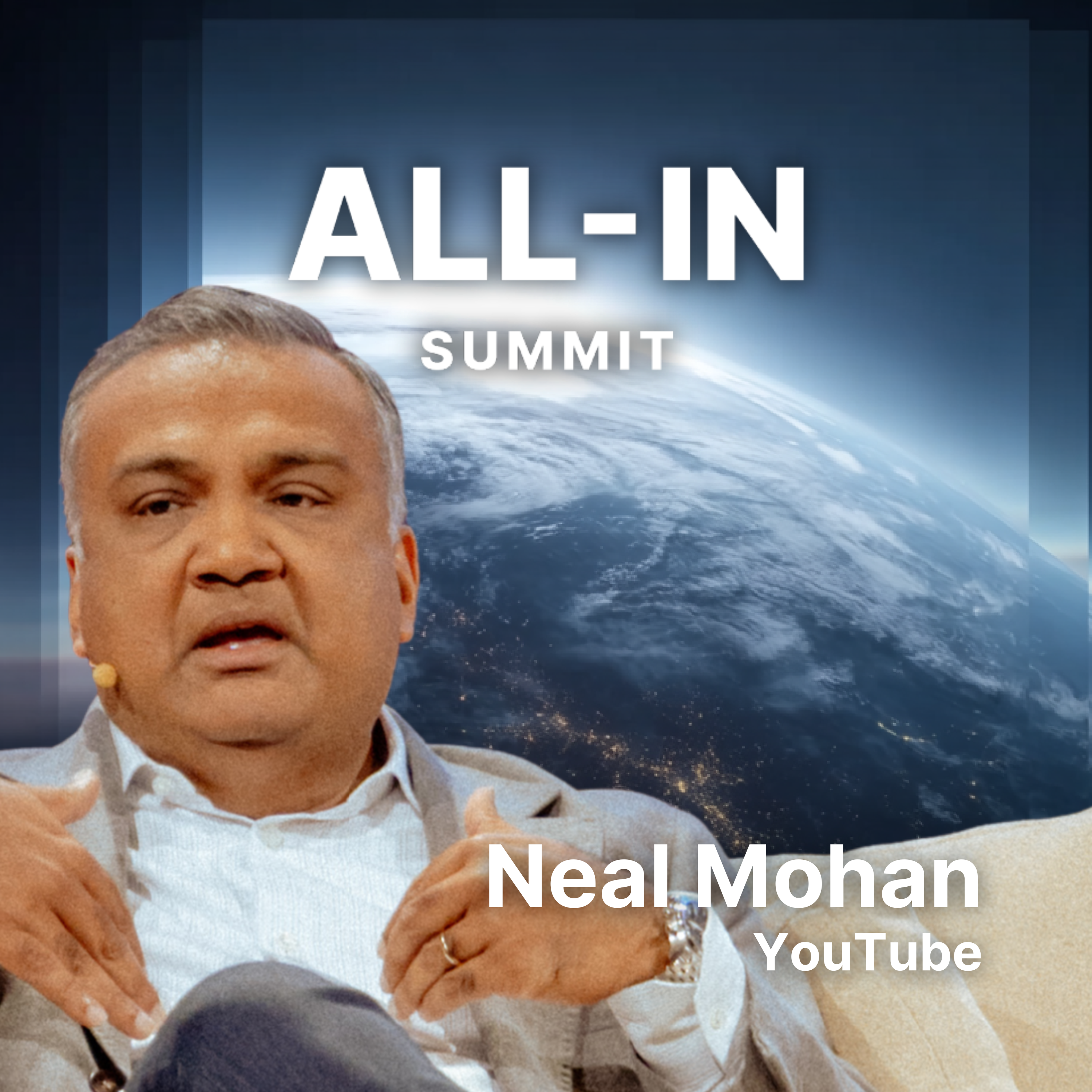
While many see YouTube Premium as just an ad-free video service, CEO Neal Mohan clarifies that it originated as a music subscription platform. A large portion of its 125 million subscribers are primarily music fans using it as their main music service, not just viewers who are avoiding ads on videos.
The public announcement to eliminate all ad revenue was a strategic marketing move. It sent a clear message to the market: if NBR relied 100% on subscriptions, the content must be exceptionally valuable and worth the high price point, reinforcing its premium positioning and justifying the cost.
For platforms that aggregate and filter content, the flood of AI-generated media ("slop") is a net positive. Spotify doesn't need to build AI music tools; it just needs a superior algorithm to surface the "most delicious slop," reinforcing its position as the go-to discovery platform.
"Anti-delight" is not a design flaw but a strategic choice. By intentionally limiting a delightful feature (e.g., Spotify's skip limit for free users), companies provide a taste of the premium experience, creating just enough friction to encourage conversion to a paid plan.