Get your free personalized podcast brief
We scan new podcasts and send you the top 5 insights daily.
By licensing Spotify's video podcasts and requiring their removal from YouTube, Netflix is strategically repositioning the medium. This move frames podcasts not as free content but as premium television programming that warrants a subscription, elevating the perceived value of the entire podcasting industry.

Related Insights
Streaming services and cable news need cheaper content. Podcasts, which are essentially TV shows with a lower-cost production model, provide the perfect solution. Repurposing popular podcasts for television offers a huge arbitrage opportunity, allowing networks to fill airtime at a fraction of the traditional cost.

While often viewed as separate media, YouTube is the #1 platform for both podcast consumption and TV viewership in the US. This dual dominance forces competitors like Netflix and Spotify to react by acquiring podcast video rights, revealing the battle for attention is converging on a single platform.
Spotify's Netflix deal, featuring 14 shows from Bill Simmons' The Ringer, highlights a superior media strategy. Building a platform that cultivates many creators ('king making') is more resilient and valuable than relying on a few individual superstars ('kings') who may eventually leave.
Blockworks is focusing its distribution on podcasts and newsletters to cultivate an "owned" audience with high loyalty. This is a strategic pivot away from relying on news-driven website visits, which constitute a less predictable "rented" audience that is harder to monetize for new data products.

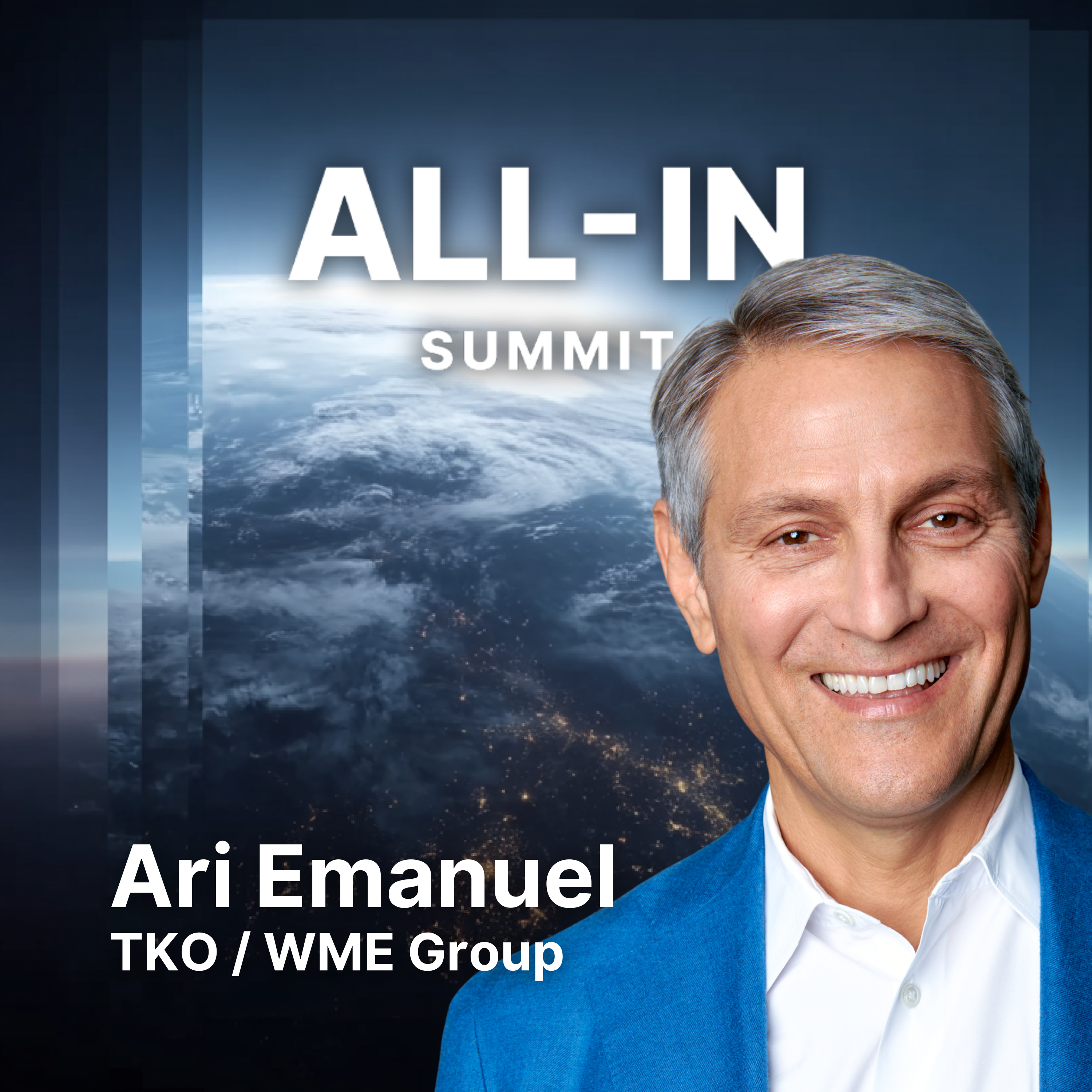
Ari Emanuel views the podcasting ecosystem as the next wave of syndication. Just as Oprah used her broadcast platform to launch other stars like Dr. Phil, today's top podcasters can build media networks by developing and launching new talent. This transforms a single successful show into a scalable, multi-channel business.
Podcasts like Acquired are leveraging prestigious venues to create premium, 'concert film' style video specials. This elevates the brand beyond a standard audio show, turning live events into standalone media products that match the grandeur of their setting and guests.
The underlying driver for major media shifts, from studio mergers to the pivot of podcasts to video, is YouTube's complete platform domination. Its ability to distribute all types of content at scale is forcing legacy media to consolidate and creators to adapt to its video-first ecosystem.

The Verge packages its ad-free podcast feature with other benefits like exclusive newsletters and unlimited articles. This bundling strategy increases the subscription's perceived value beyond a single perk, making it more compelling to a wider range of potential subscribers.

Even when consuming podcasts on video platforms, users often treat it as an audio-first experience, listening while multitasking. This behavior reveals the core value remains the audio connection and storytelling, regardless of the visual medium used for delivery.

By partnering with Spotify but explicitly forbidding that content from appearing on YouTube, Netflix signals its primary strategic battle is for audience time against YouTube, not other subscription streamers. They see podcasts as a key battleground and are using exclusivity to weaken their biggest competitor.