Get your free personalized podcast brief
We scan new podcasts and send you the top 5 insights daily.
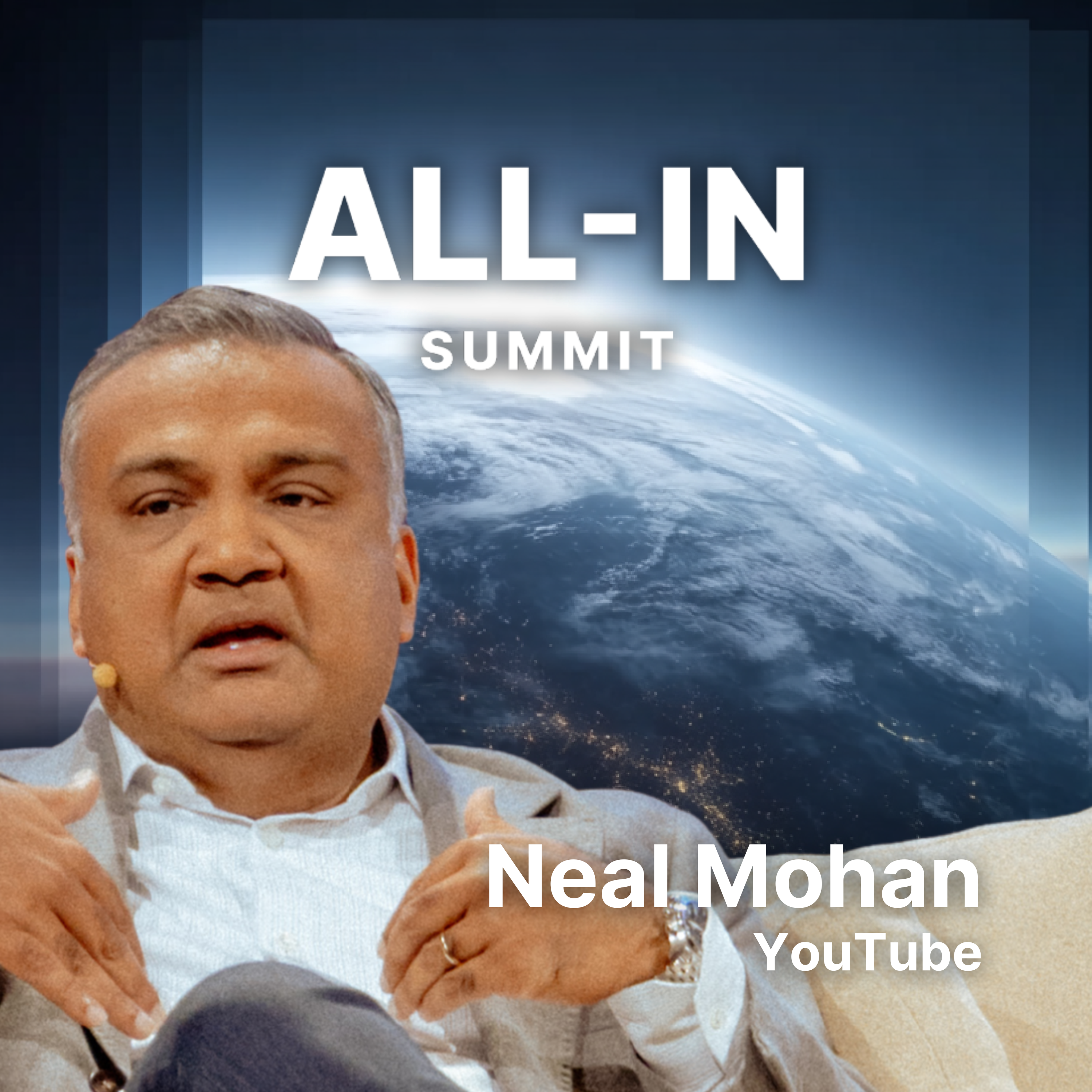
While many see YouTube Premium as just an ad-free video service, CEO Neal Mohan clarifies that it originated as a music subscription platform. A large portion of its 125 million subscribers are primarily music fans using it as their main music service, not just viewers who are avoiding ads on videos.
Related Insights
Elite YouTube creators aren't just passive recipients of ad revenue. They actively buy their own ad inventory from YouTube and then resell it directly to brands, packaging it like traditional TV with guaranteed "adjacency" to specific content. This strategy dramatically increases monetization and business valuation.
![Media M&A - [Business Breakdowns, EP.230] thumbnail](https://megaphone.imgix.net/podcasts/8404be2a-a3c6-11f0-9d01-7b00b28a9d50/image/9a48597af1149c3b024e8d2f7327aa89.jpg?ixlib=rails-4.3.1&max-w=3000&max-h=3000&fit=crop&auto=format,compress)
While often viewed as separate media, YouTube is the #1 platform for both podcast consumption and TV viewership in the US. This dual dominance forces competitors like Netflix and Spotify to react by acquiring podcast video rights, revealing the battle for attention is converging on a single platform.
When questioned about censorship alongside Twitter and Facebook, CEO Neal Mohan deliberately reframes YouTube's identity. He asserts YouTube has more in common with streaming platforms than social media feeds. This is a strategic move to distance the brand from social media's controversies and align it with the entertainment industry.
Platforms like YouTube intentionally design their algorithms to foster a wide base of mid-tier creators rather than a few dominant mega-stars. This is a strategic defense mechanism to reduce the leverage of any single creator. By preventing individuals from overshadowing the platform, YouTube mitigates the risk of widespread advertiser boycotts stemming from a controversy with one top personality, as seen in past 'Adpocalypses'.

The underlying driver for major media shifts, from studio mergers to the pivot of podcasts to video, is YouTube's complete platform domination. Its ability to distribute all types of content at scale is forcing legacy media to consolidate and creators to adapt to its video-first ecosystem.

Neal Mohan defends YouTube's revenue split by positioning it as a model where creators bet on their own growth, contrasting with traditional media's upfront payments. For top creators who self-monetize, he frames this as a flexible choice, not a platform weakness, allowing them to select the model that best suits their business.
The public announcement to eliminate all ad revenue was a strategic marketing move. It sent a clear message to the market: if NBR relied 100% on subscriptions, the content must be exceptionally valuable and worth the high price point, reinforcing its premium positioning and justifying the cost.

The ability to separate paid and organic traffic data in YouTube Analytics is more than a reporting tool. It enables a clear strategy: identify high-performing organic videos and then use paid promotion as a targeted amplifier. This creates a data-driven feedback loop to maximize ROI on ad spend.
YouTube's AI-powered "Super Resolution" feature, which upscales low-res videos, is more than a technical fix. It's a strategic move to enhance the viewing experience on large TV screens. This positions YouTube to compete more directly with streaming services like Netflix for the premium, "lean-back" living room audience.
Addressing concerns about fragmented media, YouTube's CEO argues that new shared cultural experiences are emerging on the platform. He points to events like an NFL game integrating top creators like Mr. Beast into the live broadcast as the modern equivalent of traditional appointment viewing, creating a "new water cooler moment."