Get your free personalized podcast brief
We scan new podcasts and send you the top 5 insights daily.
The most effective founders, like Google's Larry and Sergey, excel at stripping away superficial details to find the core of a problem. They achieve this through relentless, often argumentative, discourse, focusing only on what truly matters.

Related Insights
To succeed, a founder must identify the single most critical function for their business (e.g., marketing for D2C). Then, they must either be a world-class expert at "figuring it out" themselves or become a world-class recruiter to hire the person who is. There is no other path.

True entrepreneurial success isn't about chasing hot topics like AI. It's about finding a niche, boring problem and developing a deep, multi-decade obsession with it. This requires a unique ability to find interest where others see none, which is a powerful competitive moat.
![William Hockey - Building the Operating System for the Dollar and Silicon Valley Heresy - [Invest Like the Best, EP.463] thumbnail](https://megaphone.imgix.net/podcasts/fafd11c6-2198-11f1-9f4c-331b7fdffb5f/image/c8ee4ccf34b48dd3ef4ded6a34c1f70c.jpg?ixlib=rails-4.3.1&max-w=3000&max-h=3000&fit=crop&auto=format,compress)
A founder's role is a paradox. While driving efficiency is key, they must also be "inefficient" by exploring seemingly unproductive avenues, like Mr. Beast observing shoppers in Walmart. This is often where the highest-leverage, game-changing insights are found.

Successful founders often exhibit a paradoxical blend of traits. They need the arrogance to believe they can disrupt incumbents. Simultaneously, they require the humility to do unglamorous, hands-on work—like personally delivering 1,000 packages—to deeply understand the problem they are solving.

The best founders, especially in complex fields, don't give superficial answers to secure funding. Instead, they demonstrate deep passion and expertise by enthusiastically pulling investors into the intricate details and underlying principles of their domain.
![Scott Nolan - SpaceX, Founders Fund, and Rebuilding American Uranium Enrichment - [Invest Like the Best, EP.467] thumbnail](https://megaphone.imgix.net/podcasts/5edee546-3776-11f1-b41d-a76759576e87/image/908aaa6e87baf2b3d364892c4b7f9fd8.jpg?ixlib=rails-4.3.1&max-w=3000&max-h=3000&fit=crop&auto=format,compress)
According to his long-time COO, Travis Kalanick's greatest skill was entering any meeting and, within minutes, asking questions that fundamentally evolved the experts' thinking. This relentless application of 'creative problem solving' was a core driver of Uber's early velocity and value creation.

In an era defined by notifications and multitasking, a founder's ability to block out all distractions for extended periods is a profound competitive advantage. This deep, rigorous focus allows them to solve complex problems at a level that is increasingly rare and valuable.
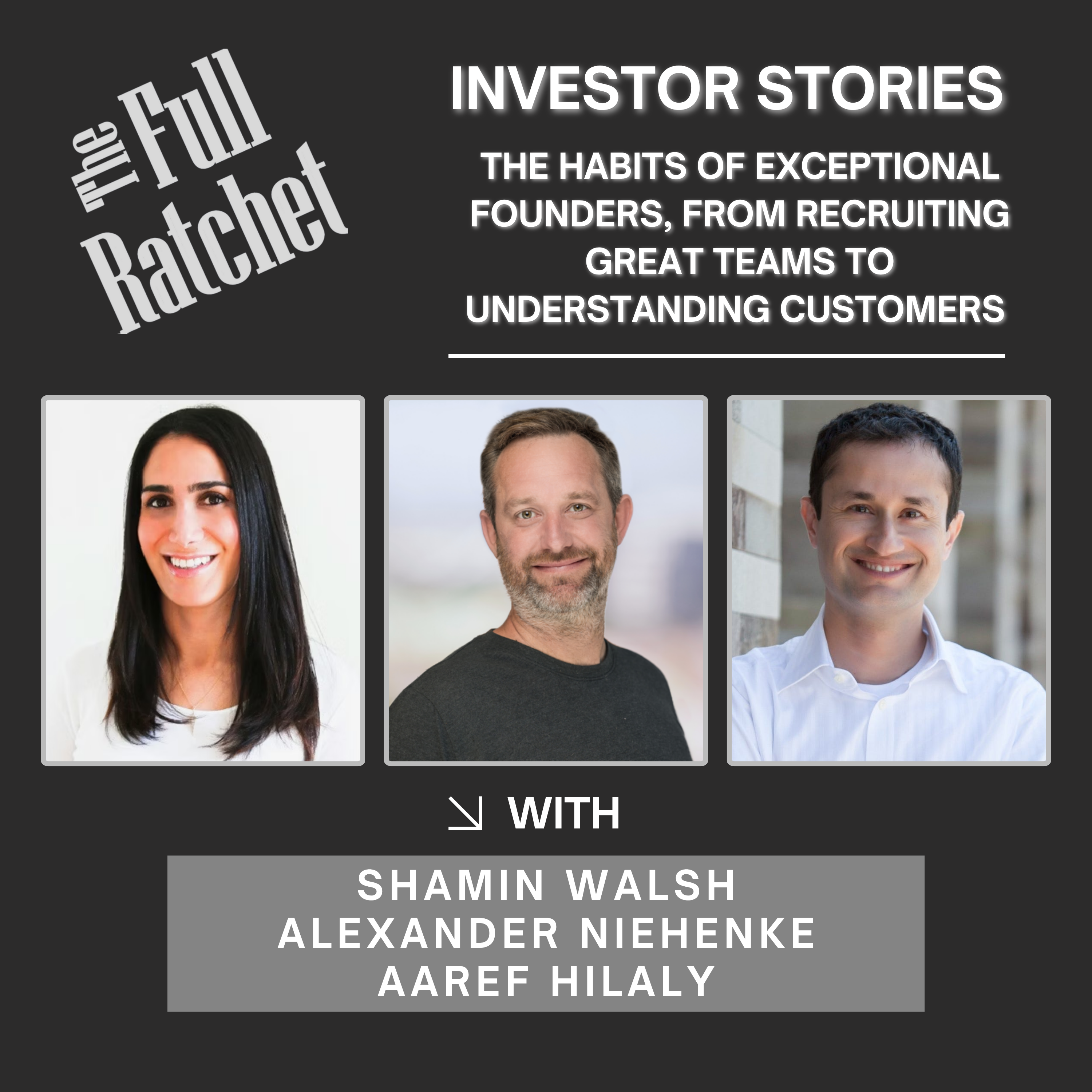
Successful founders passionately defend their vision while simultaneously processing tough questions without defensiveness. This balance allows them to navigate the 'idea maze' effectively, learning and adapting as they go.
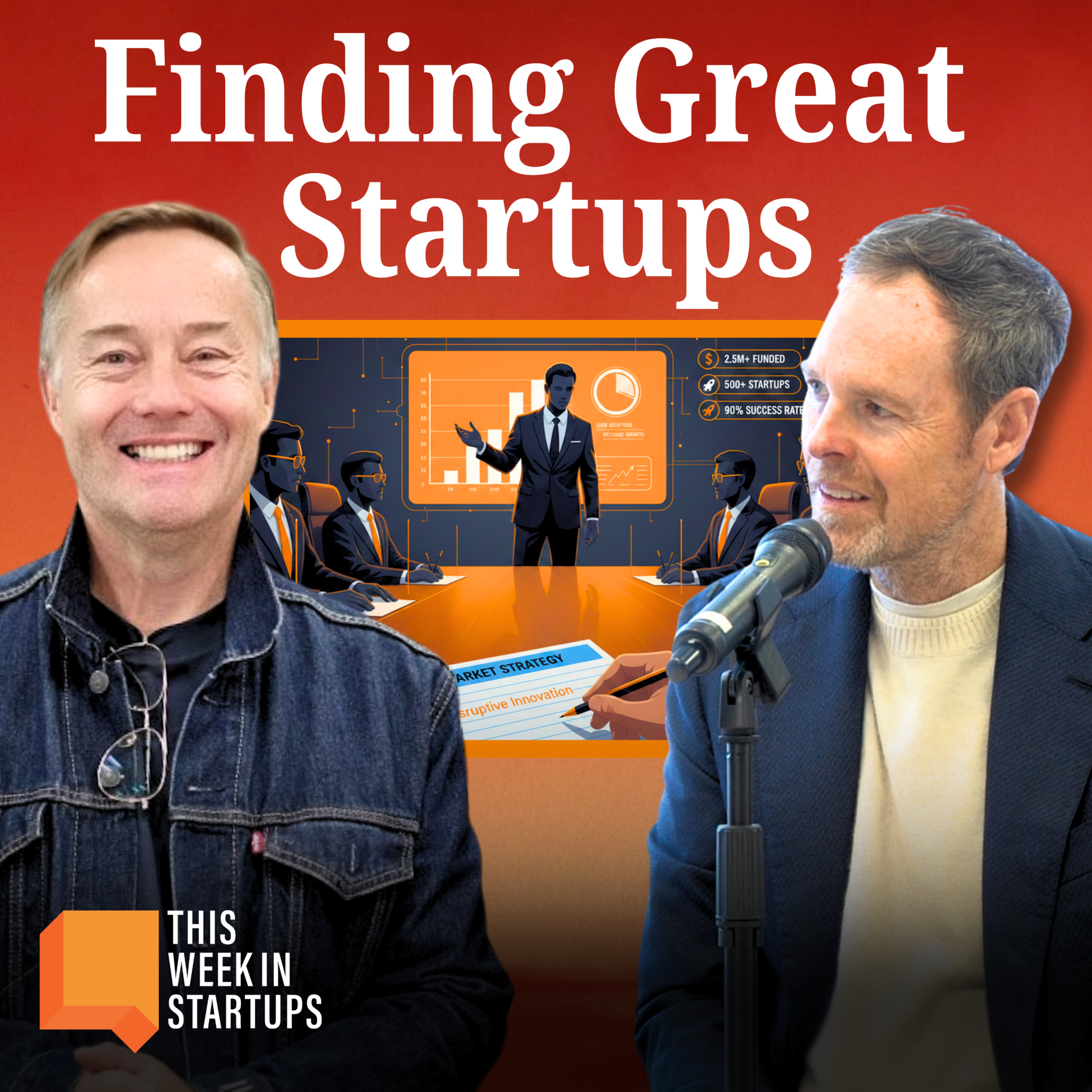
Companies embody their founder's traits. Google's enduring innovation wasn't from a complex strategy, but from Larry Page's relentless focus on product excellence above business metrics and his personal obsession with hiring, personally reviewing the first ~20,000 employee applications.
The most successful founders rarely get the solution right on their first attempt. Their strength lies in persistence combined with adaptability. They treat their initial ideas as hypotheses, take in new data, and are willing to change their approach repeatedly to find what works.
