Get your free personalized podcast brief
We scan new podcasts and send you the top 5 insights daily.
To succeed, a founder must identify the single most critical function for their business (e.g., marketing for D2C). Then, they must either be a world-class expert at "figuring it out" themselves or become a world-class recruiter to hire the person who is. There is no other path.

Related Insights
Most founders hire senior talent by looking for a lack of weakness. A better approach is to first define the single most critical superpower the role requires. Then, search for a candidate who is a superstar at that one thing, even if they have deficiencies elsewhere.

Entrepreneurs often prefer being the indispensable "most valuable player" because it feels good and gives them control. However, this ego-driven desire makes the business less valuable and prevents it from scaling. To truly grow, a founder must transition from the court to the owner's box.
Bringing in a professional CEO to replace a founder can succeed only if the company has already achieved product-market fit. If PMF is still elusive, hiring an operator to find it is a fatal mistake. The unique, entrepreneurial act of discovering PMF belongs to the founder.

A founder can only excel at one function at a time. In the beginning, it's product. Once that's solid, the focus must shift entirely to go-to-market and founder-led sales. Later, it may become finance. This is a conscious trade-off and sequential juggling act.

Before hiring for a critical function like growth marketing, Gamma's CEO spent 6-12 months doing the job himself. This immersion taught him what "great" looks like, preventing a bad hire and ensuring he could properly lead the function he was delegating.
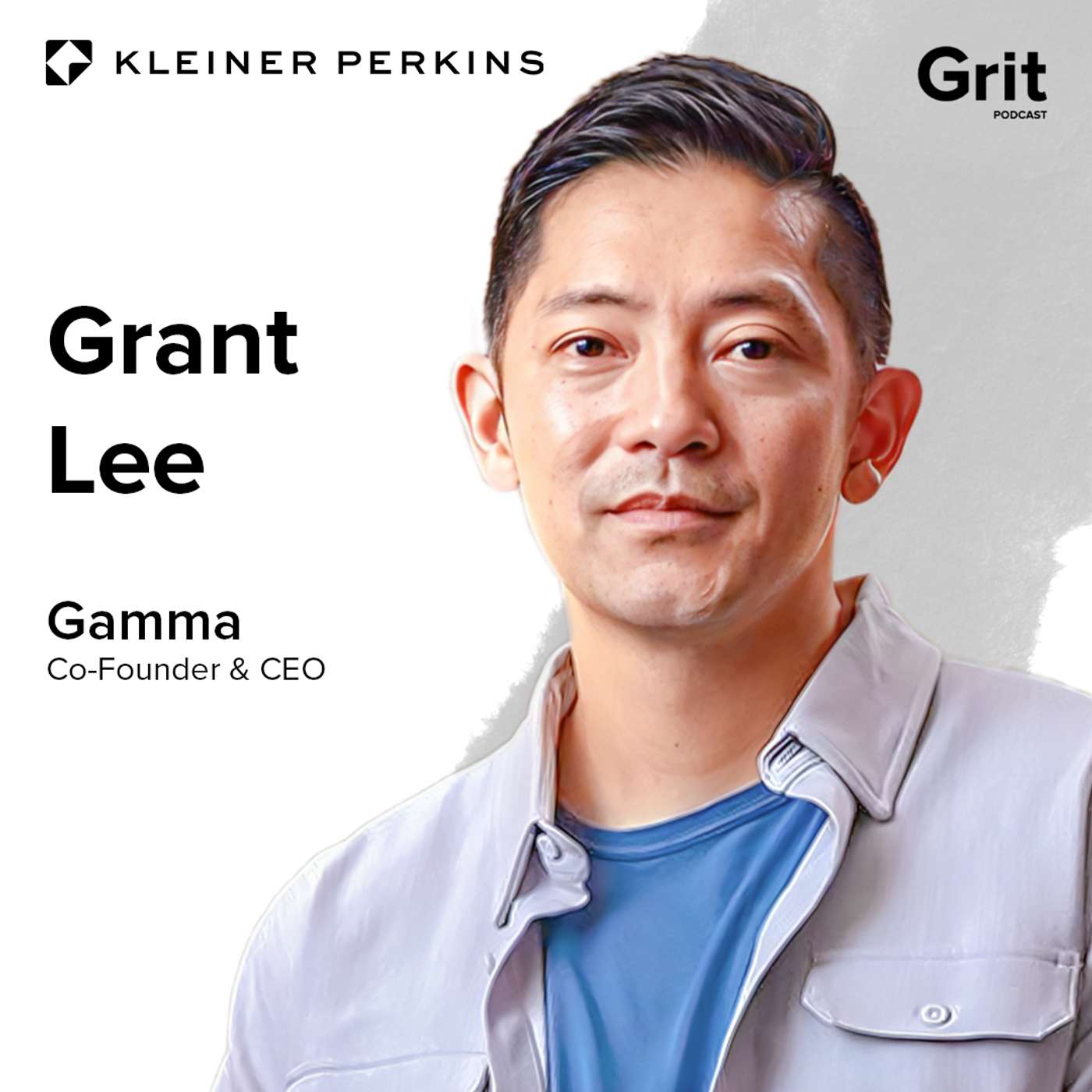
Success doesn't require being a prodigy in one skill like coding. It's the combination of being 'good enough' in multiple areas—like building, marketing, and entrepreneurship—that creates a winning formula. The blended skill set is more valuable than isolated genius.
Founders are "unicorns" with unique skill sets impossible to hire for in a single person. To scale and remove yourself as a bottleneck, break your responsibilities into their component parts (e.g., sales, marketing, product) and hire specialists for each, assembling a team that approximates your output, even at a lower margin.

An engineering background provides strong first-principles thinking for a CEO. However, to effectively scale a company, engineer founders must elevate their identity to become a specialist in all business functions—sales, policy, recruiting—not just product.

A critical inflection point for an entrepreneurial founder is deciding whether to be a 'projects guy' focused on individual deals or a 'business builder' focused on process, structure, and vision. These two paths are often in direct conflict, and choosing one is essential for scaling.
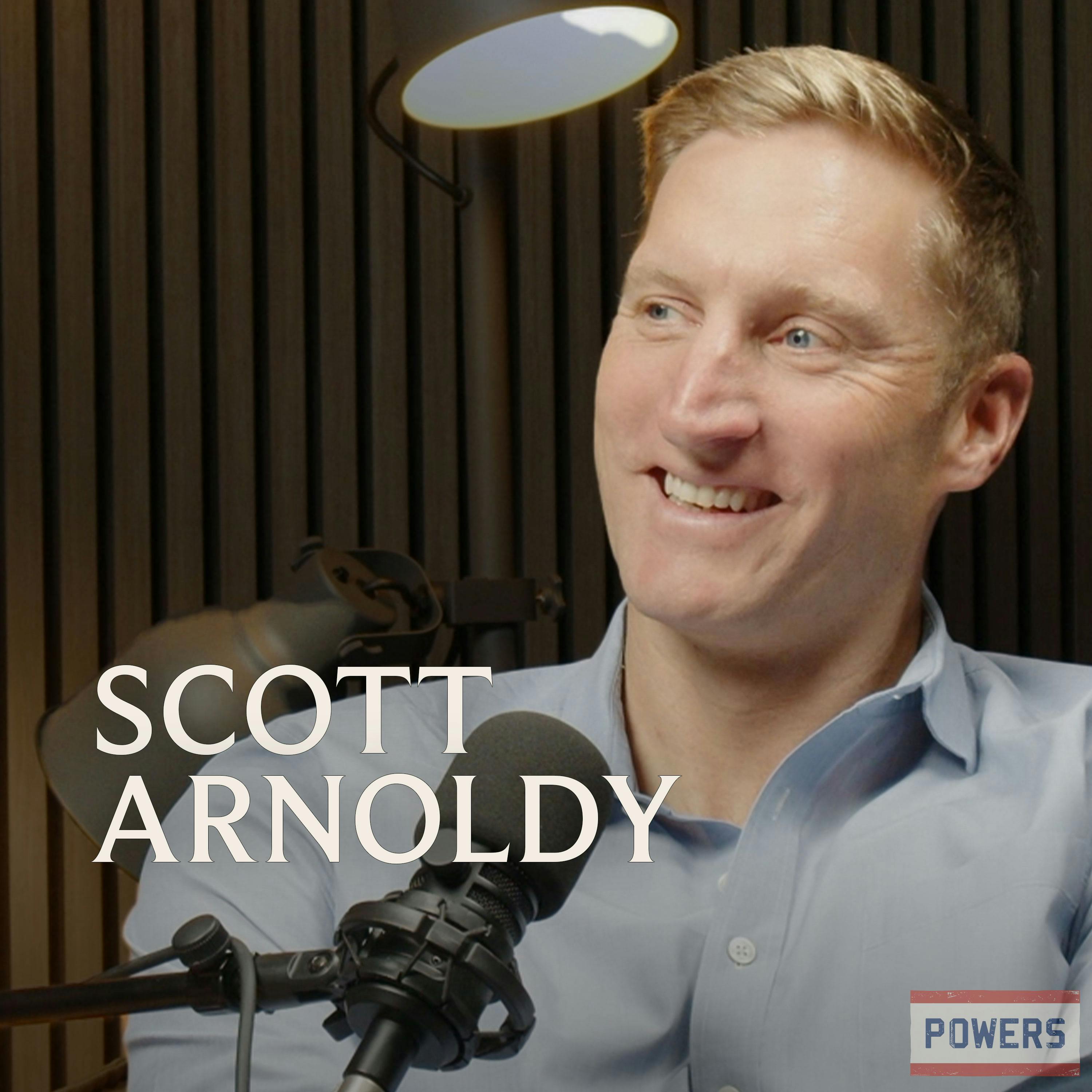
The most important job of a leader is team building. This means deliberately hiring functional experts who are better than the CEO in their specific fields. A company's success is a direct reflection of the team's collective talent, not the CEO's individual brilliance.
