Get your free personalized podcast brief
We scan new podcasts and send you the top 5 insights daily.
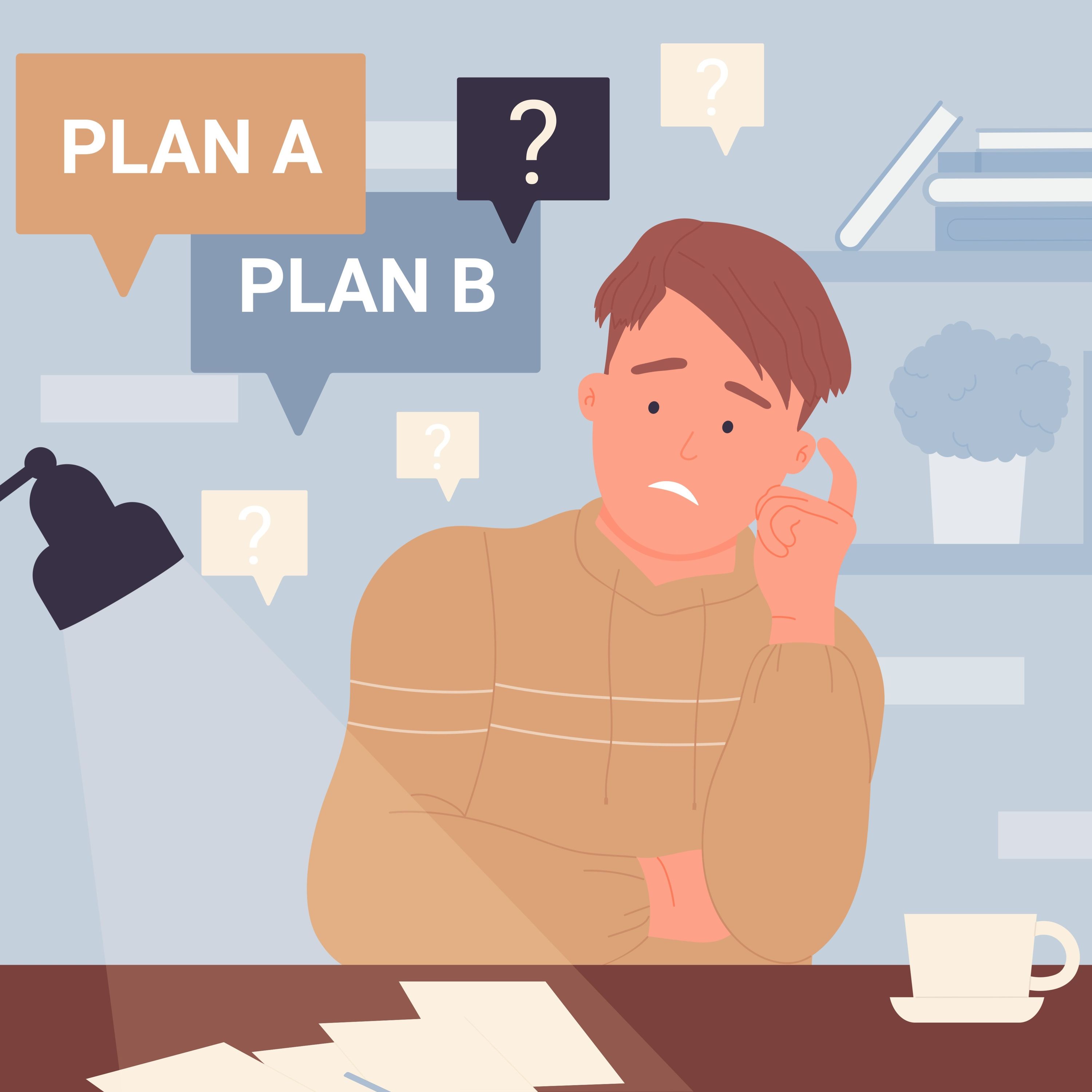
A pre-mortem asks a team to imagine their project has already failed spectacularly. By explaining the hypothetical failure, they uncover potential risks and can build mitigation strategies, effectively using the power of hindsight bias in advance.
Related Insights
Elite performers are biased toward execution, so they rush to solve obstacles identified in pre-mortems without validating them first. This “curse of competence” creates a blind spot. The crucial first step is to “prosecute the problem”—rigorously question if the perceived obstacle is real or just an outdated assumption.

During product discovery, Amazon teams ask, "What would be our worst possible news headline?" This pre-mortem practice forces the team to identify and confront potential weak points, blind spots, and negative outcomes upfront. It's a powerful tool for looking around corners and ensuring all bases are covered before committing to build.

Before a major initiative, run a simple thought experiment: what are the best and worst possible news headlines? If the worst-case headline is indefensible from a process, intent, or PR perspective, the risk may be too high. This forces teams to confront potential negative outcomes early.

The 'fake press release' is a useful vision-setting tool, but a 'pre-mortem' is more tactical. It involves writing out two scenarios before a project starts: one detailing exactly *why* it succeeded (e.g., team structure, metrics alignment) and another detailing *why* it failed. This forces a proactive discussion of process and risks, not just the desired outcome.
Instead of waiting for a postmortem after failing, conduct a 'premortem' at the start. Proactively contemplating the specific obstacles that might prevent you from achieving your goals is a critical first step. This pessimistic-sounding exercise allows you to identify barriers like impulsivity or laziness and design solutions for them.

Spend significant time debating and mapping out a project's feasibility with a trusted group before starting to build. This internal stress-test is crucial for de-risking massive undertakings by ensuring there's a clear, plausible path to the end goal.

Instead of stigmatizing failure, LEGO embeds a formal "After Action Review" (AAR) process into its culture, with reviews happening daily at some level. This structured debrief forces teams to analyze why a project failed and apply those specific learnings across the organization to prevent repeat mistakes.

To avoid repeating errors during rapid growth, HubSpot used a 'Pothole Report.' This process involved a post-mortem on every significant mistake, asking how it could have been handled or what data was needed a year ago to prevent it, effectively institutionalizing learning from failure and promoting proactive thinking.

Before starting a project, ask the team to imagine it has failed and write a story explaining why. This exercise in 'time travel' bypasses optimism bias and surfaces critical operational risks, resource gaps, and flawed assumptions that would otherwise be missed until it's too late.

Hormozi's team didn't just plan for success; they systematically identified every potential point of failure ("choke points") from ad platforms to payment processors. By asking "how would we fail?" and creating contingencies for each scenario, they proactively managed risk for a complex, high-stakes event.
