Get your free personalized podcast brief
We scan new podcasts and send you the top 5 insights daily.
In an acquihire, the buyer needs to interview the entire team pre-deal to justify the high valuation. However, the seller is hesitant to grant this access, as their 'crown jewel' assets—the people—could be poached if the acquirer decides not to proceed with the acquisition after meeting everyone.

Related Insights
Founders optimizing for personal profit by avoiding hires create significant key-person risk, making their business less valuable and harder to sell. An acquirer will pay more for a de-risked company with a team in place, even if it's less profitable, because the asset is more likely to survive the transition.

Veteran dealmaker Andy Cohen argues against a "win-at-all-costs" mentality in M&A. True success, particularly in tech deals where talent is key, comes from ensuring the acquired team feels the outcome is fair and their future is promising. If one side feels they lost, the integrated entity will fail.

While sharing M&A details can foster an "ownership mindset," it is risky before a deal is signed. If the acquisition fails, employees who have already envisioned their future at the larger company may leave anyway, creating a significant attrition problem fueled by an "expectancy violation."

Contrary to standard M&A practice where integration begins post-close, Brad Jacobs makes immediate, unrestricted access to a target company's employees and operations a non-negotiable term upon signing. This allows his team to begin the integration process weeks or months earlier.

Due diligence cannot quantify a team's crucial soft skills. When an acquirer forces change aggressively post-close, they risk an exodus of these skills and key talent, maximizing the chance of the investment failing. A partnership approach that preserves talent for at least the first year is a much safer strategy.

A buyer can mitigate the risk of losing critical talent by making a deal's closure contingent on securing the commitment of a few essential employees. This shifts the responsibility to the seller to ensure those key individuals are motivated and aligned with the acquisition.
When acquiring a company for its talent via a stock purchase, due diligence priorities flip. Instead of assessing the target's business, the focus shifts to creating a wind-down plan. The key questions become how to quickly and cheaply terminate unwanted customer contracts, vendor agreements, and employees.
When pursuing an acqui-hire, frame the conversation around the strength of the team. Selling technology invites the question, "If it's so good, why aren't people buying it?" Selling a top-tier team that will get hired anyway is a position of strength.

Harvey AI's M&A strategy prioritizes acquiring talented teams over buying existing tech, even from outside its industry. The rationale is that great talent can build new products much faster with modern AI tools, making the team the more valuable asset.
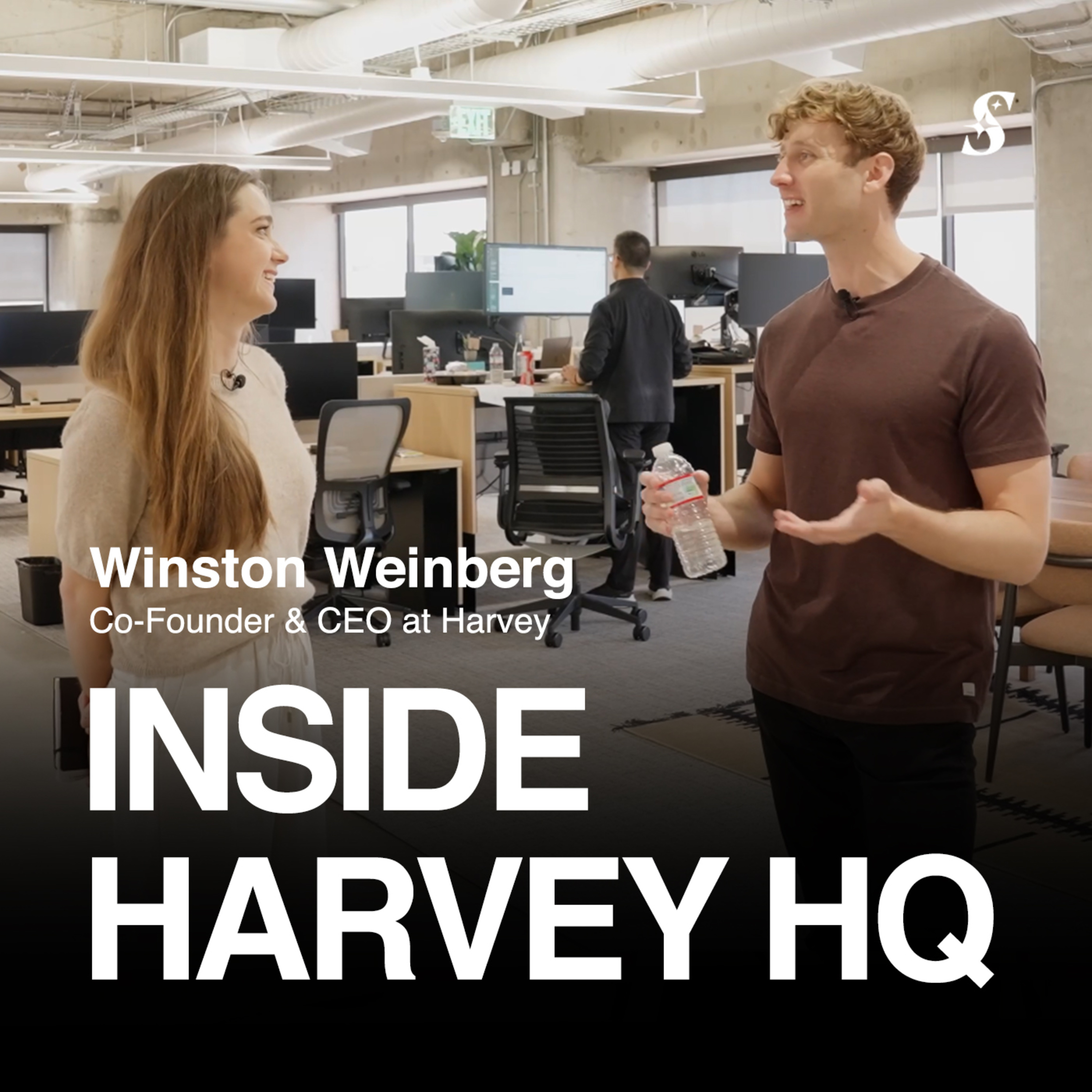
Instead of only the buyer investigating the target, successful M&A involves "reverse due diligence," where the target is educated about the buyer's company. This transparency helps the target team understand how they will fit, fostering excitement and alignment for the post-close journey.
