Get your free personalized podcast brief
We scan new podcasts and send you the top 5 insights daily.
When acquiring a company for its talent via a stock purchase, due diligence priorities flip. Instead of assessing the target's business, the focus shifts to creating a wind-down plan. The key questions become how to quickly and cheaply terminate unwanted customer contracts, vendor agreements, and employees.

Related Insights
When a target company relies on a high-performing individual, standard diligence focuses on retention. A more critical step is to assess the practical ability to replace their output. If replacing a $2.5M producer requires five average employees in a two-room office, the deal carries significant hidden risk.

AI diligence has replaced cybersecurity as the modern, high-stakes technical hurdle in M&A. Buyers now focus on a company's AI defensibility and roadmap. A lack of a clear AI strategy or a perceived vulnerability to AI disruption can be an existential risk that either kills the deal or severely impacts the valuation.

Unlike traditional acquihires that saved failing startups, today's AI acquihires are offensive moves where large companies pay billions for elite teams. The target's product is often irrelevant; the goal is to infuse the acquirer's existing products with top-tier AI talent, treating engineers like superstar athletes.
In talent-driven deals, acquirers are changing the economic split. They may offer VCs just enough to recoup their investment while allocating the vast majority of the deal's value to retention RSU packages for key employees. This recognizes that the value lies with the people, not the corporate entity or its IP.
In an acquihire, the buyer needs to interview the entire team pre-deal to justify the high valuation. However, the seller is hesitant to grant this access, as their 'crown jewel' assets—the people—could be poached if the acquirer decides not to proceed with the acquisition after meeting everyone.
The success of an AI roll-up hinges on effective technology implementation. Therefore, the primary filter for acquiring a company is not just its financials but whether its leadership and culture are genuinely eager to adopt AI and transform their operations. This cultural fit is non-negotiable.

By the time a strategic acquirer enters due diligence, the desire to do the deal is already high. The process's primary purpose is not to hunt for deal-breakers but to confirm key assumptions and, more importantly, to gather the necessary data to build a robust and successful integration plan.
A key part of buy-side M&A is conducting 'reverse diligence,' where the buyer transparently outlines post-close operational changes (e.g., new CRM, org charts). This forces difficult conversations early, testing the seller's cultural fit and willingness to integrate before the deal is finalized.
When pursuing an acqui-hire, frame the conversation around the strength of the team. Selling technology invites the question, "If it's so good, why aren't people buying it?" Selling a top-tier team that will get hired anyway is a position of strength.

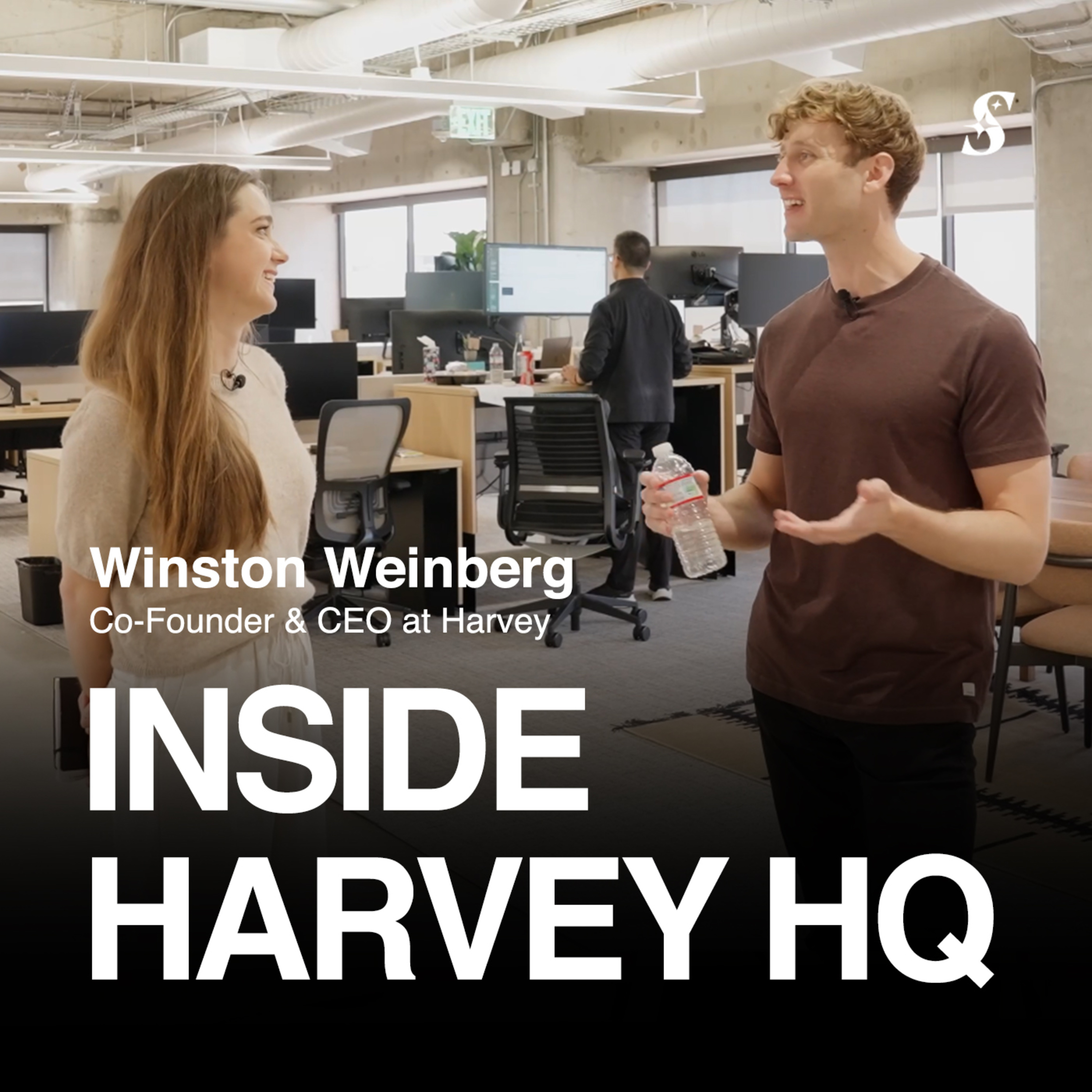
Harvey AI's M&A strategy prioritizes acquiring talented teams over buying existing tech, even from outside its industry. The rationale is that great talent can build new products much faster with modern AI tools, making the team the more valuable asset.