Get your free personalized podcast brief
We scan new podcasts and send you the top 5 insights daily.
A prankster posted a real Monet painting, claimed it was AI-generated, and watched as critics found numerous flaws. This experiment demonstrates that perception of AI-generated content is heavily biased by anti-AI sentiment, leading people to judge the supposed creator rather than the work itself.

Related Insights
A social experiment revealed that when presented with a real Monet painting and told it was AI-generated, art enthusiasts readily identified numerous supposed flaws. This demonstrates a powerful preconceived bias against AI art, causing people to project inferiority onto an image based on its perceived origin rather than its actual qualities.

Many people's negative opinions on AI-generated content stem from a deep-seated fear of their jobs becoming obsolete. This emotional reaction will fade as AI content becomes indistinguishable from human-created content, making the current debate a temporary, fear-based phenomenon.

An online experiment revealed a deep-seated anti-AI bias. Hundreds of users harshly critiqued a genuine Monet painting, citing visual flaws, after being falsely told it was created by AI. This highlights that negative public perception is a major hurdle for AI adoption, independent of actual quality.

The success of "Breaking Rust," an AI-generated artist, on a Billboard chart suggests market acceptance of non-human creativity. This indicates that for many listeners, enjoyment is decoupled from the creator's identity, challenging traditional notions of artistry and revealing that audiences may not care about a song's origin as long as they like it.
Studies show people often prefer AI-generated art based on quality alone, but their preference flips to the human-created version once they know the source. This reveals a deep-seated bias for human effort, posing a significant "Catch-22" for marketers who risk losing audience appreciation if their AI usage is discovered.
Submitting generic, unedited AI-generated text or images is perceived negatively by sophisticated audiences. It signals a lack of effort (lazy), an unawareness of its generic appearance (stupid), or an attempt to mislead (evil). This highlights the new social codes emerging around AI usage.

The visceral rejection of AI-generated content as "slop" is not the root cause of anti-AI sentiment; it's a symptom. People already skeptical of AI for other reasons (job fears, ethics) are predisposed to view its output negatively. This dislike is a cultural manifestation of a pre-existing bias.
As AI makes creating complex visuals trivial, audiences will become skeptical of content like surrealist photos or polished B-roll. They will increasingly assume it is AI-generated rather than the result of human skill, leading to lower trust and engagement.

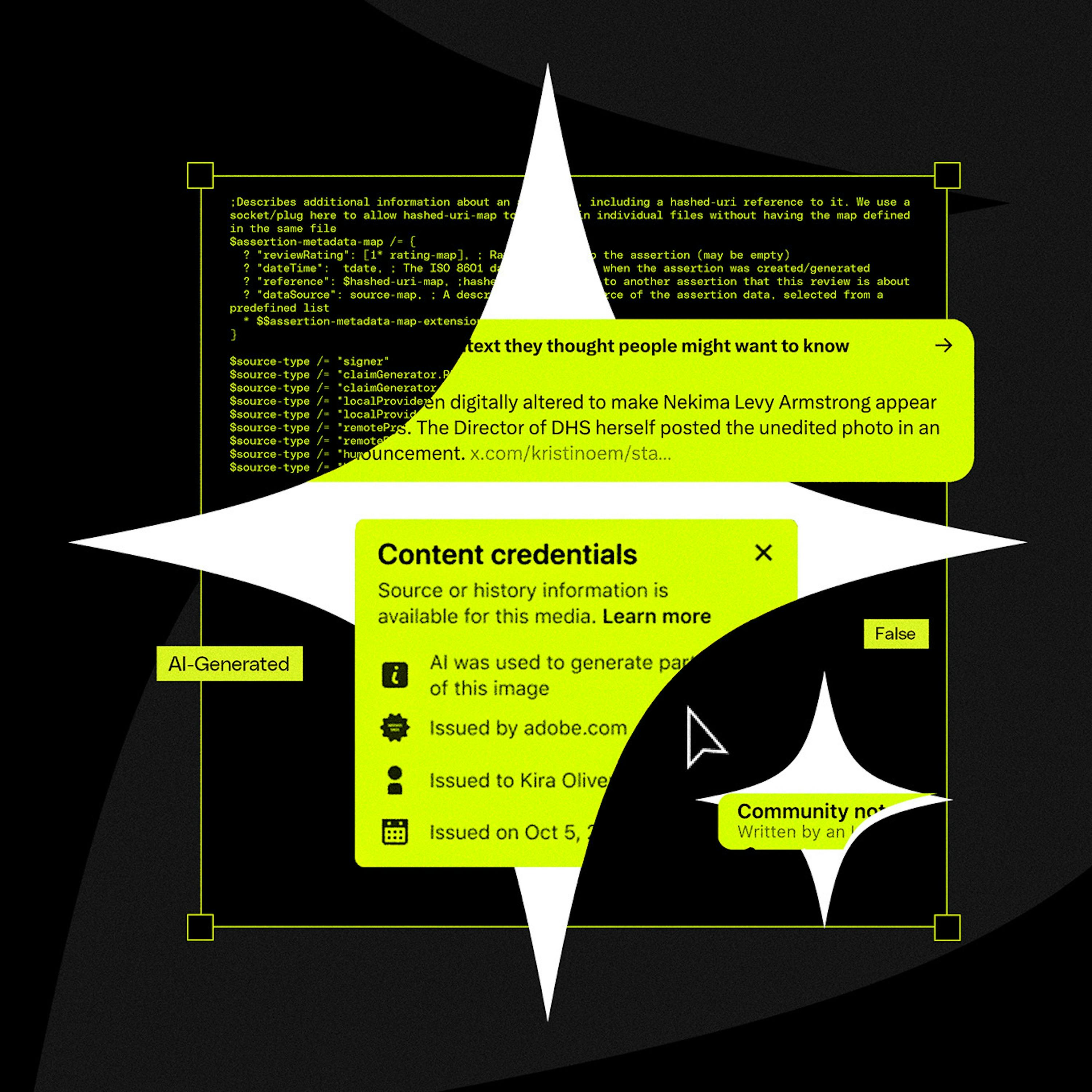
The "AI-generated" label carries a negative connotation of being cheap, efficient, and lacking human creativity. This perception devalues the final product in the eyes of consumers and creators, disincentivizing platforms from implementing labels that would anger their user base and advertisers.
Because AI can generate content in seconds, it is perceived as low-effort. This violates the "labor illusion," where effort signals quality. A study showed that when a poster was labeled "AI-powered" instead of "hand-drawn," purchase intent dropped by 61%. Brands using AI must reframe the narrative around the effort of building the system.
