Get your free personalized podcast brief
We scan new podcasts and send you the top 5 insights daily.
An online experiment revealed a deep-seated anti-AI bias. Hundreds of users harshly critiqued a genuine Monet painting, citing visual flaws, after being falsely told it was created by AI. This highlights that negative public perception is a major hurdle for AI adoption, independent of actual quality.

Related Insights
The widespread belief that social media made the world worse, despite initial optimism, has eroded public trust in technology as inherent progress. This "hangover" from the last tech wave creates a default environment of skepticism for AI, making positive perception significantly more challenging.
Many people's negative opinions on AI-generated content stem from a deep-seated fear of their jobs becoming obsolete. This emotional reaction will fade as AI content becomes indistinguishable from human-created content, making the current debate a temporary, fear-based phenomenon.

Studies show people often prefer AI-generated art based on quality alone, but their preference flips to the human-created version once they know the source. This reveals a deep-seated bias for human effort, posing a significant "Catch-22" for marketers who risk losing audience appreciation if their AI usage is discovered.
Public opinion on AI is surprisingly negative, ranking lower than most political entities. This is driven by media focus on risks like job loss and resource consumption, overshadowing the tangible benefits experienced by millions of users. People's positive experiences with ChatGPT often coexist with a general, media-fueled distrust of "AI."

Non-tech professionals often judge AI by obsolete limitations like six-fingered images or knowledge cutoffs. They don't realize they already consume sophisticated AI content daily, creating a significant perception gap between the technology's actual capabilities and its public reputation.
The visceral rejection of AI-generated content as "slop" is not the root cause of anti-AI sentiment; it's a symptom. People already skeptical of AI for other reasons (job fears, ethics) are predisposed to view its output negatively. This dislike is a cultural manifestation of a pre-existing bias.
As AI makes creating complex visuals trivial, audiences will become skeptical of content like surrealist photos or polished B-roll. They will increasingly assume it is AI-generated rather than the result of human skill, leading to lower trust and engagement.

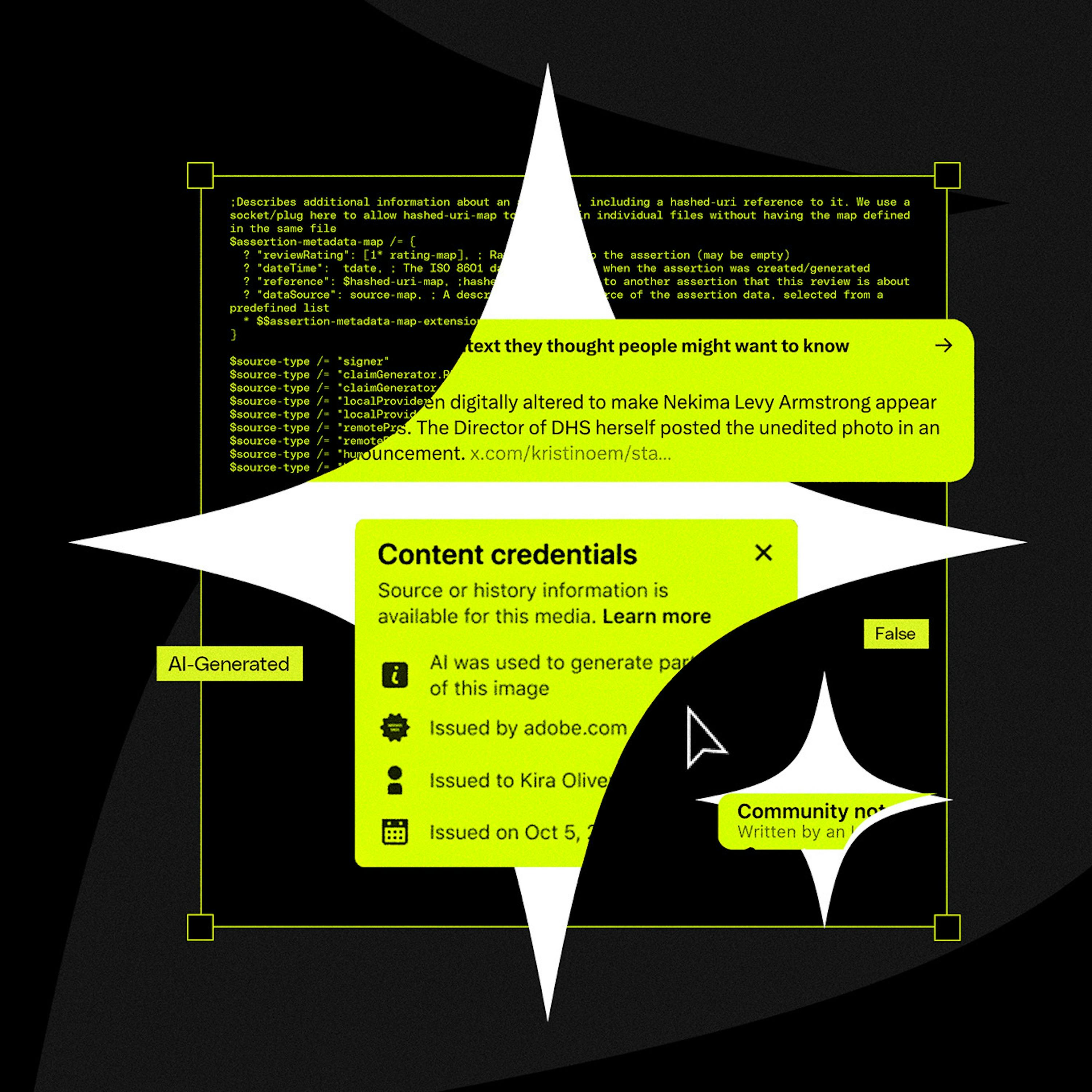
The "AI-generated" label carries a negative connotation of being cheap, efficient, and lacking human creativity. This perception devalues the final product in the eyes of consumers and creators, disincentivizing platforms from implementing labels that would anger their user base and advertisers.
Because AI can generate content in seconds, it is perceived as low-effort. This violates the "labor illusion," where effort signals quality. A study showed that when a poster was labeled "AI-powered" instead of "hand-drawn," purchase intent dropped by 61%. Brands using AI must reframe the narrative around the effort of building the system.

While early media coverage focused on doomsday scenarios, the primary drivers of broad public skepticism are far more immediate. Concerns about white-collar job loss and the devaluation of human art are fueling the anti-AI movement much more effectively than abstract fears of superintelligence.