Get your free personalized podcast brief
We scan new podcasts and send you the top 5 insights daily.
Debates involving the Pope's views on war are not merely theological. They directly challenge or affirm the underpinnings of modern international law, as systems like the UN Charter are built upon centuries of Catholic 'just war' doctrine. The Pope is the intellectual heir to this foundational legal tradition.

Related Insights
The requirement for human responsibility in the use of force is not a new concept created for AI. It is governed by long-standing international humanitarian law and existing military policies. These foundational legal structures apply to all weapons, from bows to AI-drones, ensuring a commander is always accountable.

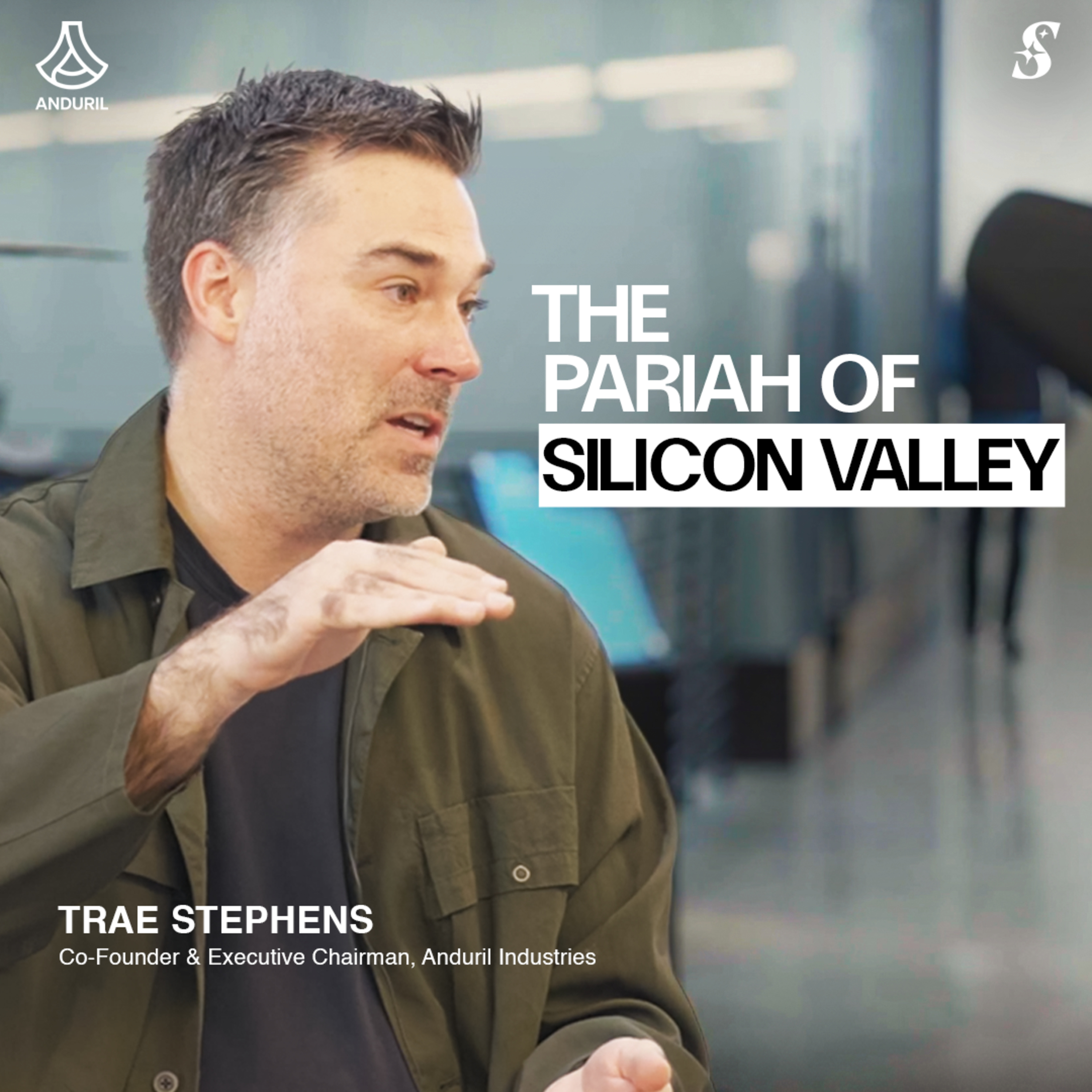
Counterintuitively, Anduril views AI and autonomy not as an ethical liability, but as a way to better adhere to the ancient principles of Just War Theory. The goal is to increase precision and discrimination, reducing collateral damage and removing humans from dangerous jobs, thereby making warfare *more* ethical.
The most powerful war rhetoric, historically, does not focus on the act of war itself but on the peace and way of life that the conflict aims to protect. By framing the stakes as the potential loss of culture, democracy, and decency, leaders create a deeper emotional connection, making listeners fear the loss of their world, not just the loss of a battle.
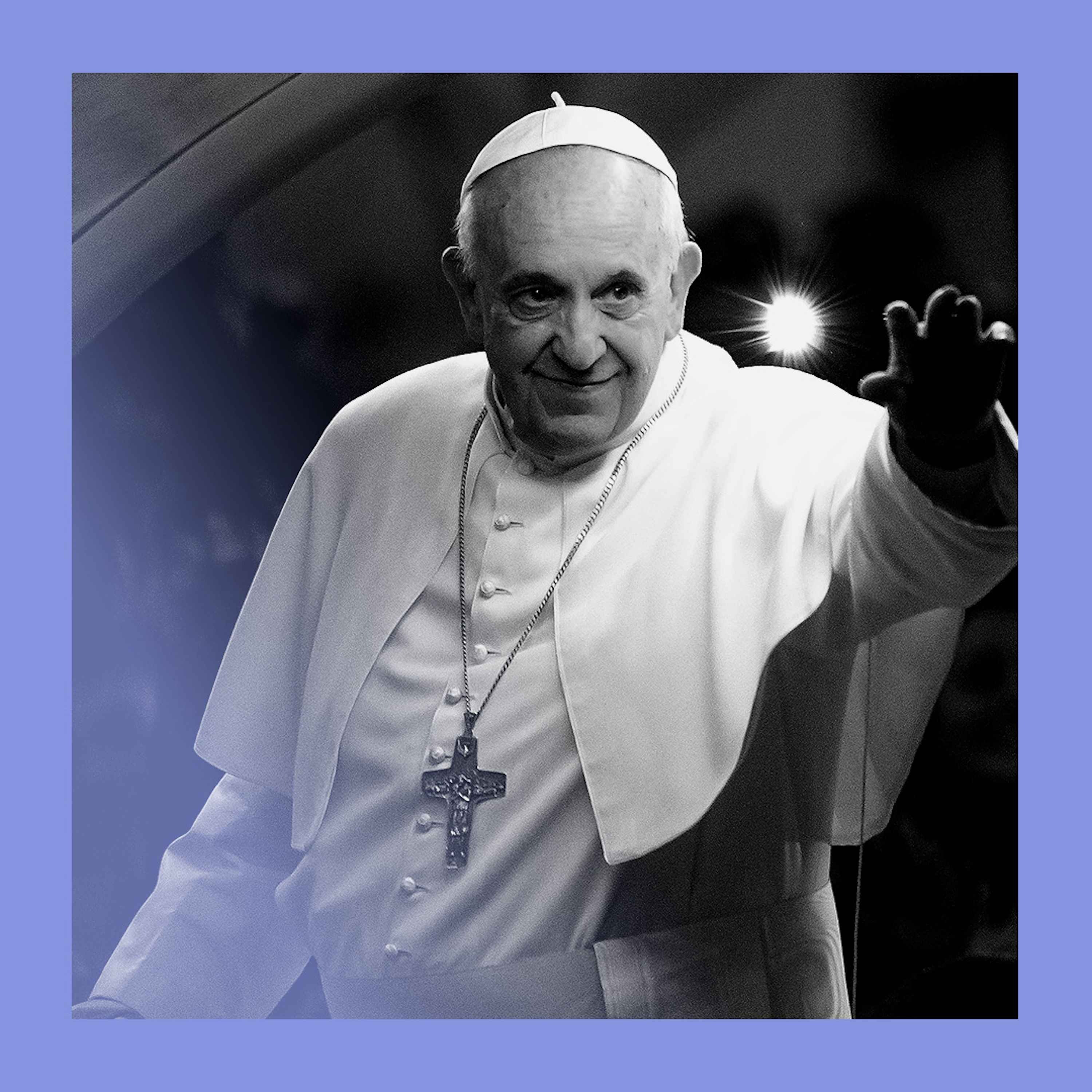
While some speculated Pope Francis's reformist energy was atonement for his past during Argentina's dirty war, it was more likely driven by a forward-looking goal. His primary motivation was to transform the public image of the Catholic Church from a troubled, rigid institution into a welcoming "place of mercy for everybody," a mission he embodied daily.
Italian leaders openly framed their switch of alliances as a "sacred egoism" – a divinely appointed mission to enlarge the fatherland. This concept sacralized raw national self-interest, providing a moral justification for betraying former allies and pursuing a war of conquest.

The rules of engagement are more than a moral obligation; they are a practical tool of war. When an enemy force believes they will be treated fairly upon surrender, they are more likely to lay down arms. This makes adherence to the law of armed conflict a strategic advantage, not a hindrance.
Rather than a set of absolute rules, international law acts as a "moral venue" where principles are created and contested through power relations. It provides a normative framework that allows weaker nations to argue their case and defend themselves against the unilateral actions of more powerful countries.

The perception of Christianity as purely passive is a modern distortion. Historically, concepts like "just war" and chivalry embodied an assertive, "muscular Christianity" that could be ferocious in defense of faith and civilization, a quality that is now lost.

With pronouncements on AI's impact on human dignity, Pope Leo XIV is framing the technology as a critical religious and ethical issue. This matters because the Pope influences the beliefs of 1.4 billion Catholics worldwide, making the Vatican a powerful force in the societal debate over AI's trajectory and regulation.

The company's ethos, inspired by concepts like Just War Theory and its "Lord of the Rings" namesake, is to make the cost of conflict prohibitively high for adversaries. The ultimate goal is to deter war, thereby protecting lives and preserving democratic ideals.