Get your free personalized podcast brief
We scan new podcasts and send you the top 5 insights daily.
With pronouncements on AI's impact on human dignity, Pope Leo XIV is framing the technology as a critical religious and ethical issue. This matters because the Pope influences the beliefs of 1.4 billion Catholics worldwide, making the Vatican a powerful force in the societal debate over AI's trajectory and regulation.
Related Insights
In its largest user study, OpenAI's research team frames AI not just as a product but as a fundamental utility, stating its belief that "access to AI should be treated as a basic right." This perspective signals a long-term ambition for AI to become as integral to society as electricity or internet access.
Top AI leaders are motivated by a competitive, ego-driven desire to create a god-like intelligence, believing it grants them ultimate power and a form of transcendence. This 'winner-takes-all' mindset leads them to rationalize immense risks to humanity, framing it as an inevitable, thrilling endeavor.

Influencers from opposite ends of the political spectrum are finding common ground in their warnings about AI's potential to destroy jobs and creative fields. This unusual consensus suggests AI is becoming a powerful, non-traditional wedge issue that could reshape political alliances and public discourse.

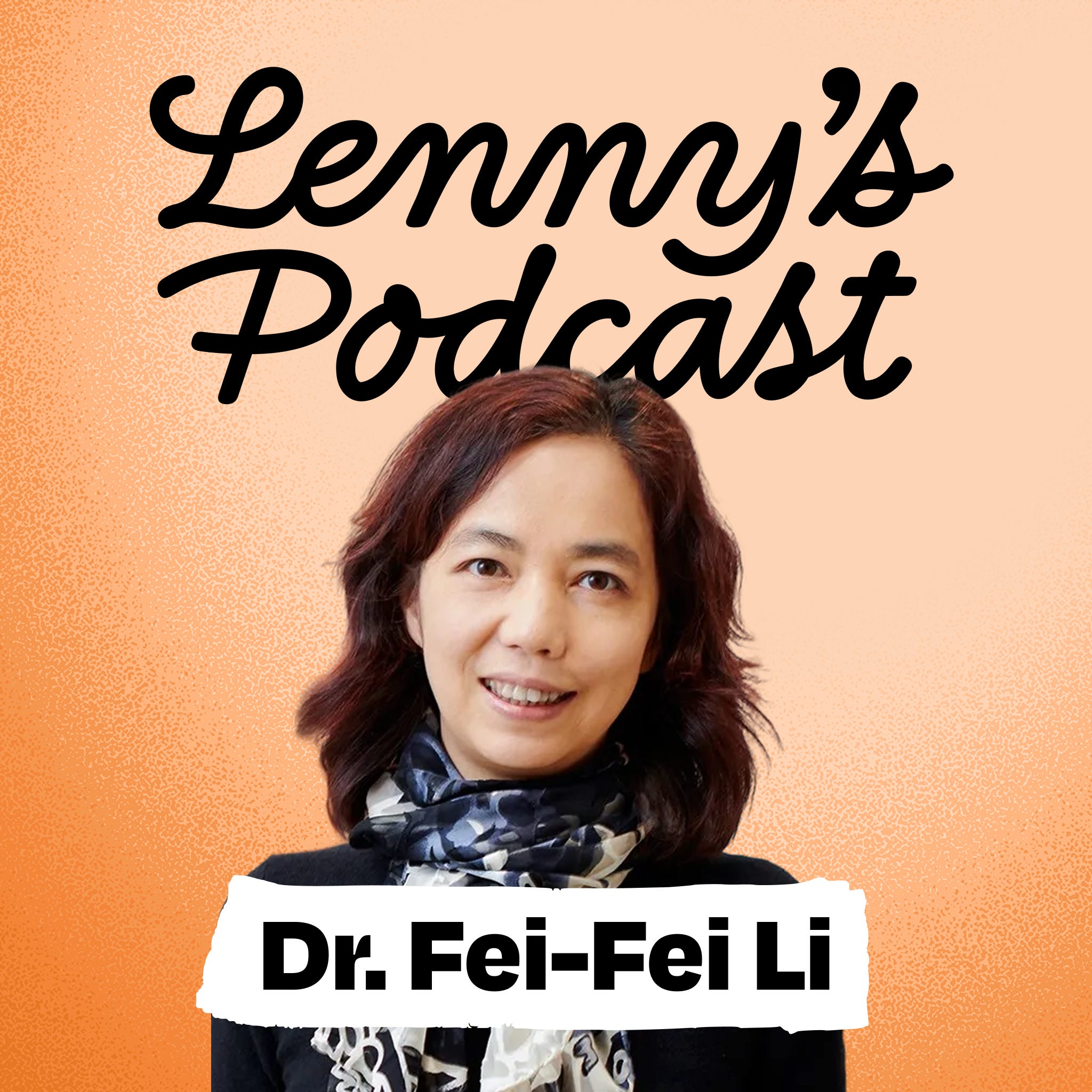
Dr. Li rejects both utopian and purely fatalistic views of AI. Instead, she frames it as a humanist technology—a double-edged sword whose impact is entirely determined by human choices and responsibility. This perspective moves the conversation from technological determinism to one of societal agency and stewardship.
Microsoft's AI chief, Mustafa Suleiman, announced a focus on "Humanist Super Intelligence," stating AI should always remain in human control. This directly contrasts with Elon Musk's recent assertion that AI will inevitably be in charge, creating a clear philosophical divide among leading AI labs.
The economic and societal impact of AI is forcing politicians across the aisle to collaborate. From co-sponsoring legislation on AI-driven job loss to debating state vs. federal regulation, AI is creating common ground for lawmakers who would otherwise rarely work together.

Based on AI expert Mo Gawdat's concept, today's AI models are like children learning from our interactions. Adopting this mindset encourages more conscious, ethical, and responsible engagement, actively influencing AI's future behavior and values.

The AI debate is becoming polarized as influencers and politicians present subjective beliefs with high conviction, treating them as non-negotiable facts. This hinders balanced, logic-based conversations. It is crucial to distinguish testable beliefs from objective truths to foster productive dialogue about AI's future.
An advanced AI will likely be sentient. Therefore, it may be easier to align it to a general principle of caring for all sentient life—a group to which it belongs—rather than the narrower, more alien concept of caring only for humanity. This leverages a potential for emergent, self-inclusive empathy.

Dr. Fei-Fei Li warns that the current AI discourse is dangerously tech-centric, overlooking its human core. She argues the conversation must shift to how AI is made by, impacts, and should be governed by people, with a focus on preserving human dignity and agency amidst rapid technological change.
