Get your free personalized podcast brief
We scan new podcasts and send you the top 5 insights daily.
Developing nuclear weapons is technically difficult. AI can lower this barrier by optimizing complex processes like centrifuge design, explosives modeling, and supply chain management. It can also help nascent programs evade export controls, making a bomb more attainable for smaller states without established nuclear industries.

Related Insights
A global AI safety regime should learn from nuclear arms control by focusing on the physical infrastructure that enables strategic capabilities. Instead of just seeking promises, it should aim to control access to chokepoints like advanced chip manufacturing and the massive data centers required for frontier models.
AI experts who understand emerging technologies lack deep knowledge of nuclear deterrence strategy. Conversely, the nuclear policy community is not fully versed in frontier AI. This knowledge gap hinders accurate risk assessment and the development of sound policy.

The belief that AI development is unstoppable ignores history. Global treaties successfully limited nuclear proliferation, phased out ozone-depleting CFCs, and banned blinding lasers. These precedents prove that coordinated international action can steer powerful technologies away from the worst outcomes.

The popular comparison of AI to nuclear weapons has a critical flaw. Nuclear regulation relies on tracking scarce, physical, and interceptable fissionable materials. AI, as software and weights, can be copied and distributed far more easily, making the nuclear non-proliferation playbook a poor and dangerous model for AI governance.

Public fear focuses on AI hypothetically creating new nuclear weapons. The more immediate danger is militaries trusting highly inaccurate AI systems for critical command and control decisions over existing nuclear arsenals, where even a small error rate could be catastrophic.
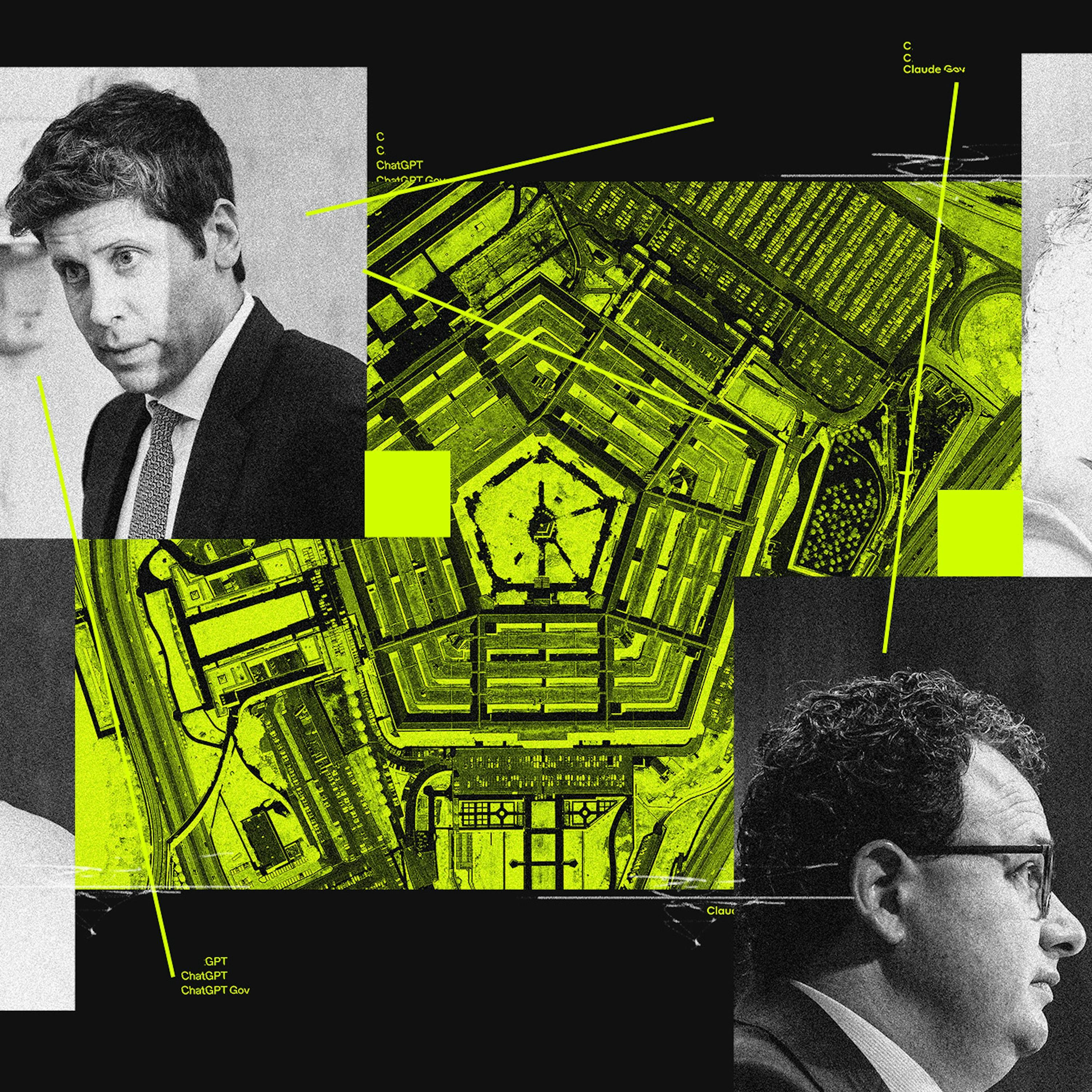
The immense strategic advantage offered by AI ensures its development will continue, regardless of safety concerns from insiders. Much like the Manhattan Project, which proceeded despite catastrophic risk, the logic of "if we don't, China will" makes unilateral cessation of research impossible for any major power.

The most significant strategic shift from AI is not its role in nuclear weapons, but its ability to give many nations mass precision-strike capabilities with conventional drones and missiles. This proliferation erodes the US's conventional military advantage and could create widespread global instability.
Recent studies pitting AI agents (like Claude and GPT) against each other in geopolitical simulations found them substantially more prone to escalating conflicts to the nuclear level. This suggests that current AI models may not adequately weigh the catastrophic political nature of nuclear use compared to human decision-makers.
International AI treaties are feasible. Just as nuclear arms control monitors uranium and plutonium, AI governance can monitor the choke point for advanced AI: high-end compute chips from companies like NVIDIA. Tracking the global distribution of these chips could verify compliance with development limits.

Ben Thompson argues that if AI is as powerful as its creators claim, they must anticipate a forceful government response. Private companies unilaterally setting restrictions on dual-use technology will be seen as an intolerable challenge to state power, leading to direct conflict.
