Get your free personalized podcast brief
We scan new podcasts and send you the top 5 insights daily.
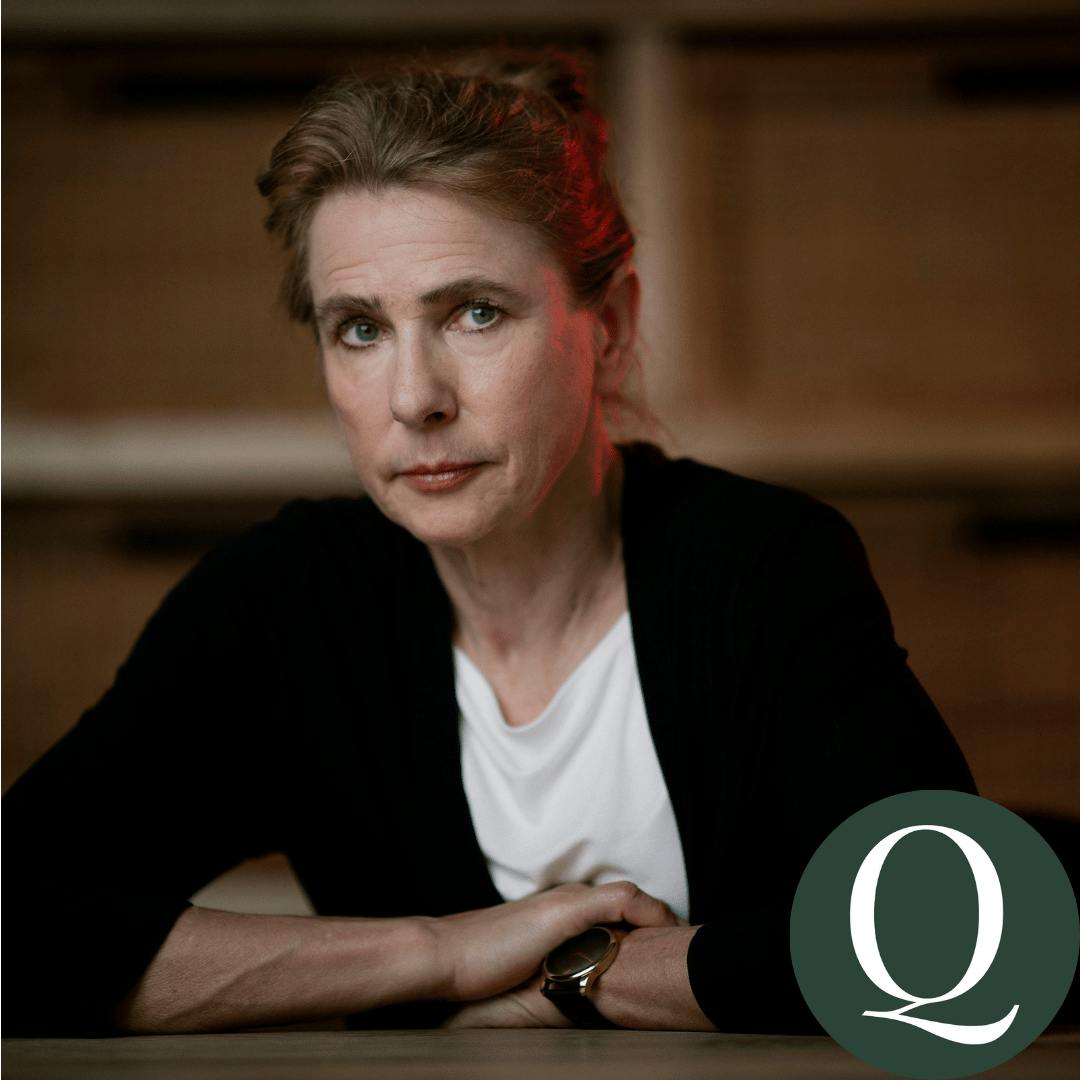
Author Lionel Shriver argues that resistance to mass immigration stems from a primitive, universal human instinct to defend one's territory. Progressive discourse often demands that people, particularly Americans, disable this deep-seated instinct, creating a fundamental and often unacknowledged societal tension.
Related Insights
Vocal support for unchecked immigration often comes from individuals shielded from its negative impacts on security, schools, and local services. Those with direct stakes—like parents and business owners—tend to hold more pragmatic views because they must confront the real-world trade-offs daily.

The rise of populism is better understood as a resurgence of humanity's innate "groupish" and tribal instincts. This regression is amplified by a modern cocktail of social media, rapid migration, and weakening political institutions, making it a deeper cultural and psychological phenomenon than just an economic one.

Resistance to mass immigration is often mislabeled as racism when it's a defense of cultural uniqueness. The core fear is that blending all cultures creates a bland 'beige' monolith, ultimately allowing the most aggressive and cohesive incoming culture to dominate.

The British affinity for queuing is not a mere stereotype but a manifestation of a core national value: fairness and orderliness. Illegal immigration is perceived as 'jumping the queue' on a national scale, which fundamentally offends this deep-seated cultural principle and explains the visceral public reaction.
While promoting tolerance, mass immigration risks erasing unique cultural differences, creating a homogenous world. In this "beige" environment, the most cohesive and aggressive culture with high birth rates and a clear agenda will inevitably become dominant.

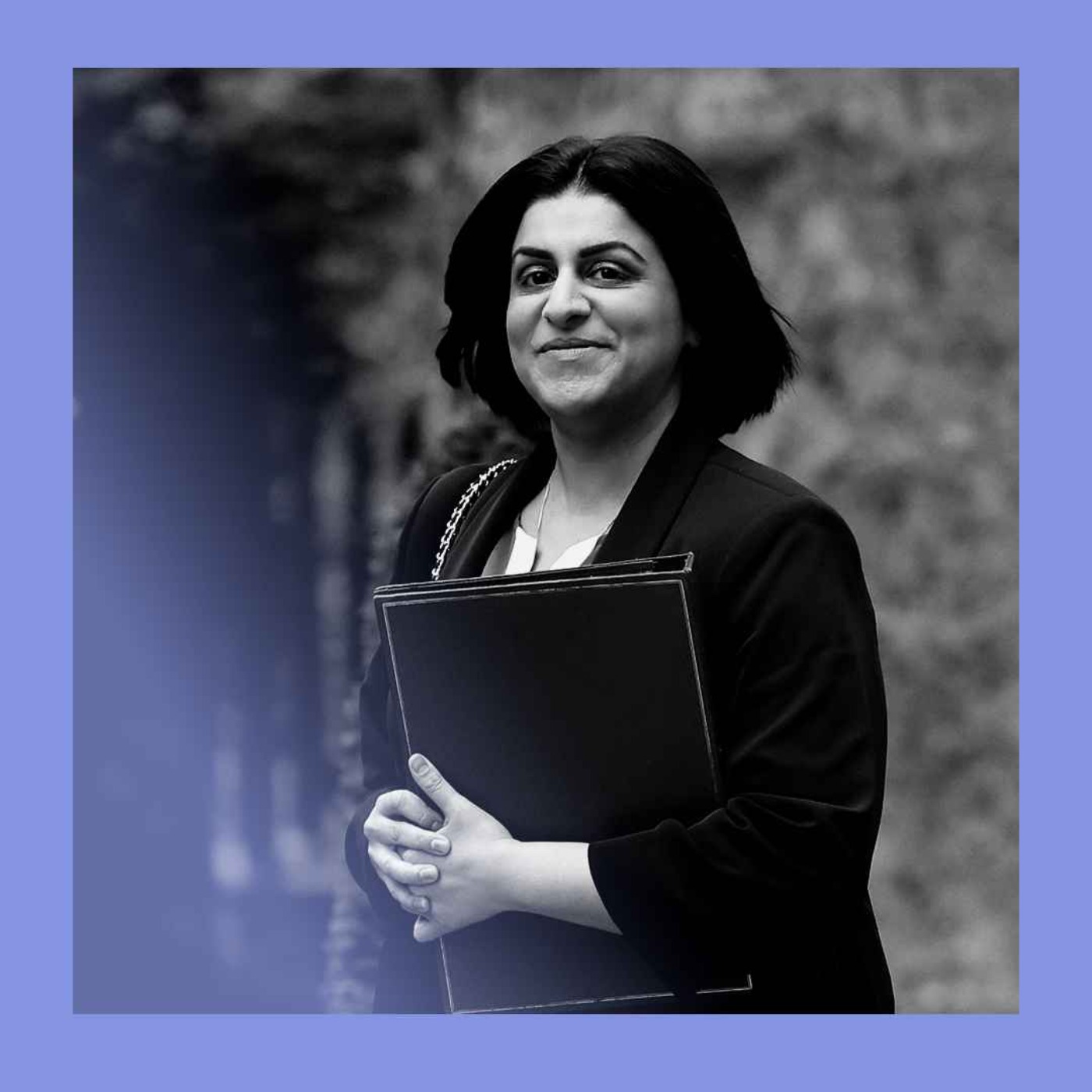
In a counter-intuitive argument, the UK's Home Secretary, herself the daughter of immigrants, posits that restricting immigration is necessary to protect social harmony. The theory is that a perceived lack of control fuels public panic and racism, so tightening controls will calm tensions and ultimately shore up multiculturalism.
The root of rising civil unrest and anti-immigrant sentiment is often economic insecurity, not just a clash of cultures. People convert financial anxiety into anger, which is then easily directed at visible, culturally different groups, creating flashpoints that can escalate into violence.

Quoting David Frum, Harris argues that open societies must confront the 'paradox of tolerance'—whereby tolerance can be exploited by illiberal forces to subvert a society from within. A failure by mainstream liberals to manage immigration and assimilation responsibly creates a political vacuum that authoritarian figures will eagerly fill.
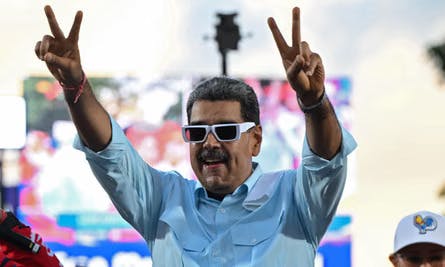
The administration's aggressive posture in Latin America is framed not by traditional security interests but by a desire to curb migration. This reflects a core white nationalist belief that demographic shifts pose an existential threat to the US, making immigration control a primary national security objective, viewing Venezuela as an exporter of people, not oil.
The psychological engine of populism is the zero-sum fallacy. It frames every issue—trade deficits, immigration, university admissions—as a win-lose scenario. This narrative, where one group's success must come at another's expense, fosters the protectionist and resentful attitudes that populist leaders exploit.