Get your free personalized podcast brief
We scan new podcasts and send you the top 5 insights daily.
Norman Foster debunks the myth that high quality requires a high budget. He asserts that quality is an 'attitude of mind' and a result of how wisely money is spent. A noble building can be achieved on a tight budget, while fortunes can be wasted on poor design.

Related Insights
Norman Foster reframes project resources beyond time and money. He identifies 'creative energy' as the third and most valuable input, as it ultimately determines the quality and value derived from the other two. This creative capital is the true driver of a project's success.
Architect Norman Foster contrasts China's rapid completion of a 54,000 km high-speed rail network with the UK's abandoned London-to-Manchester line. He diagnoses this failure as 'short-termism,' arguing Western countries have lost the political will for ambitious nation-building projects.
Don't view limitations like budget cuts or recessions as purely negative. As architect Norman Foster told Guidara, constraints force you to be your most creative. Moments of adversity are when groundbreaking, efficient, and impactful ideas are often born out of necessity.

Foster attributes lagging construction productivity in the West to cultural shifts, such as the UK's dismantling of its industrial base. When a society ceases to value the craft of 'making things,' it loses the skills and status associated with that work, leading to productivity declines.
Foster stresses that great design anticipates an unpredictable future. By building in flexibility, as he did with the Hong Kong bank which later accommodated unforeseen trading floors, a structure can adapt to major technological and organizational shifts, preserving its long-term value.
Instead of just being a hindrance, financial limitations can serve as the ultimate creative constraint. This pressure forces artists to clarify their goals, innovate with available resources, and devise brilliant solutions, as when filmmaker Jean-Luc Godard funded his early career by making a documentary about the dam he worked on as a construction worker.

Martin Graham, a builder with no formal music training, transformed a chicken shed into a respected opera house in the Cotswolds. His motivation was not profit but the artistic and spiritual endeavor of creating a "high temple to culture." His success demonstrates that passion and a willingness to simply "start digging" can overcome a lack of traditional credentials to create something extraordinary.
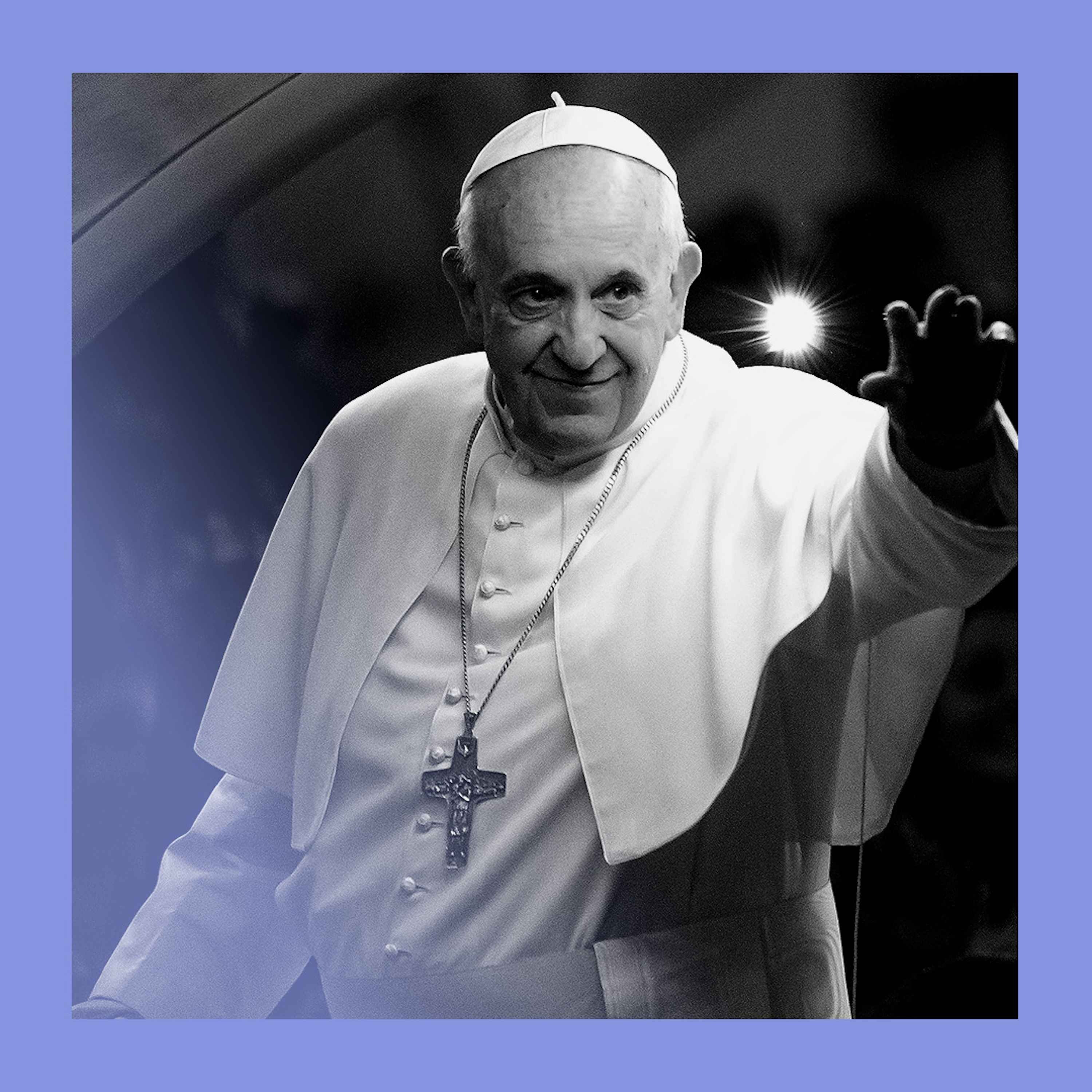
Norman Foster argues that privately funded buildings exist in the public domain and must serve the community. Design should be approached simultaneously from the 'inside out' for occupants and the 'outside in' for the public, enhancing the surrounding neighborhood rather than creating an isolated island.
By creating aesthetically beautiful homes for the homeless for ~$99K, ICON challenges the typical depressing design of such projects. This approach not only provides better living conditions but also helps overcome the "Not In My Backyard" (NIMBY) problem by making the developments desirable.
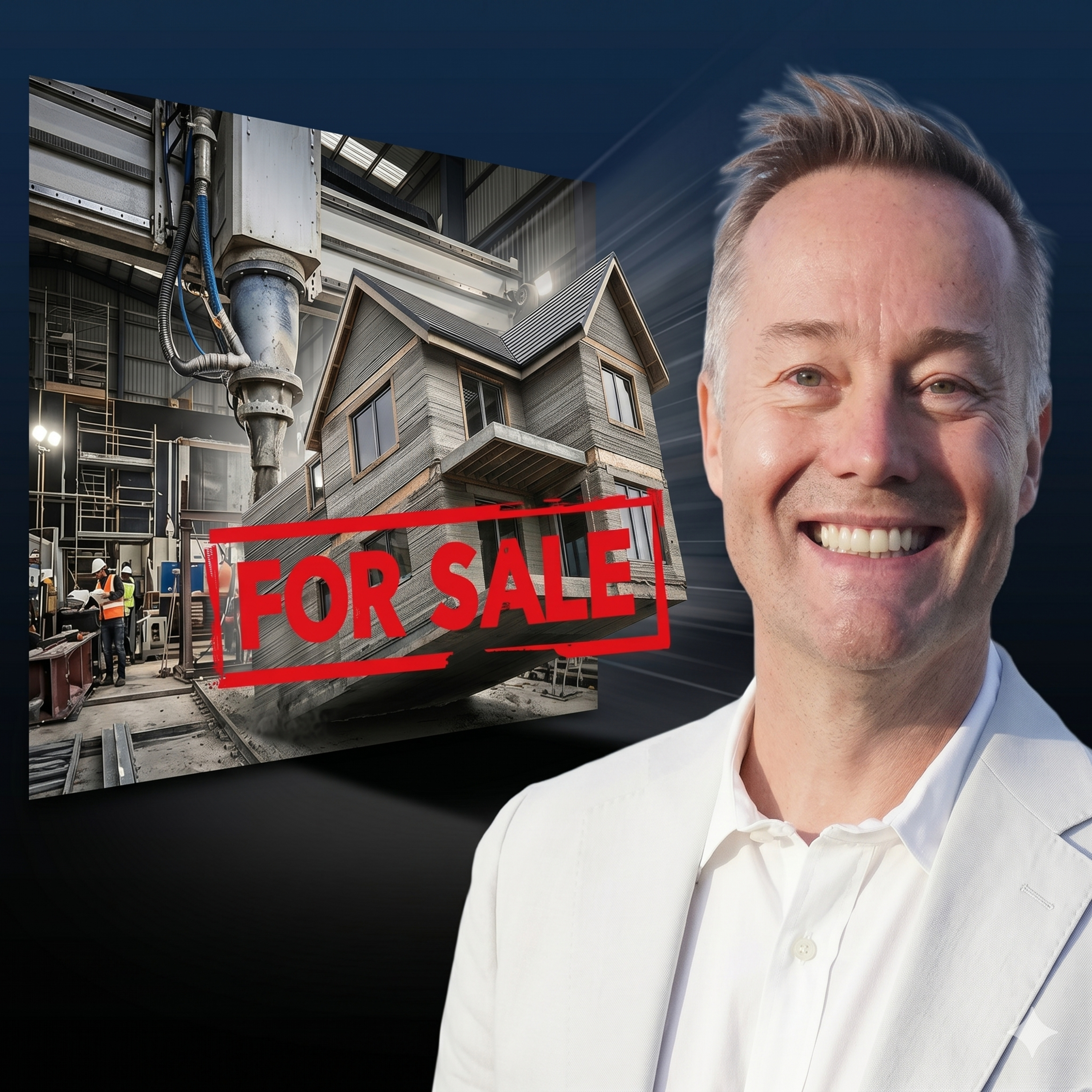
Foster argues against the traditional sequential process where architects hand off designs to engineers. He advocates for a collaborative model where all experts work together from the outset. This 'systems thinking' leads to better, more efficient designs by capturing feedback opportunities lost in a siloed process.