Get your free personalized podcast brief
We scan new podcasts and send you the top 5 insights daily.
By creating aesthetically beautiful homes for the homeless for ~$99K, ICON challenges the typical depressing design of such projects. This approach not only provides better living conditions but also helps overcome the "Not In My Backyard" (NIMBY) problem by making the developments desirable.

Related Insights
In the early days, Baer negotiated deals to live rent-free in the homes she was staging. This clever arrangement solved her personal housing crisis and eliminated overhead, allowing her to bootstrap her business and build a client base with zero capital.

Economist Tyler Cowen suggests the YIMBY movement would be more successful if it championed aesthetic beauty alongside housing density. A key opposition point is the fear that new developments will be uglier than what they replace. Promising prettier neighborhoods could be the key to overcoming local resistance.

The "Not In My Backyard" (NIMBY) problem for infrastructure like datacenters can be overcome with creative architecture. The example of a Danish power plant featuring a public ski slope on its roof shows how a potentially ugly, industrial facility can be transformed into a beloved community landmark and recreational space, thereby generating public support.
To counter resident opposition to homeless shelters, Mayor Matt Mahan proposes a deal: the city will build the site while also enhancing police patrols, creating a no-camping zone, and increasing blight removal, ensuring the neighborhood's quality of life demonstrably improves.

The common belief that people oppose new housing to protect property values is likely wrong. A more rational explanation is that residents are protecting their existing quality of life from negative externalities like noise and traffic. Pro-housing arguments should therefore focus on improving neighborhoods, not shaming residents.

ICON recognized that digital architecture combined with a fluid building material (concrete) breaks the traditional link between complexity and cost. A beautiful, curved wall costs the same to print as a simple square one, reintroducing aesthetic aspiration into affordable housing without raising the price.
AI faces a brand image problem and massive energy needs. By building a company town with subsidized housing, nuclear power, and data centers, OpenAI can demonstrate broad societal benefits beyond tech elites, securing the voter support necessary for large-scale infrastructure projects.

Urban features like decorative knobs on walls are designed to prevent loitering. By disguising their hostile purpose as aesthetics, property owners avoid public conversations about homelessness and the use of public space, effectively shuffling problems around without addressing them.

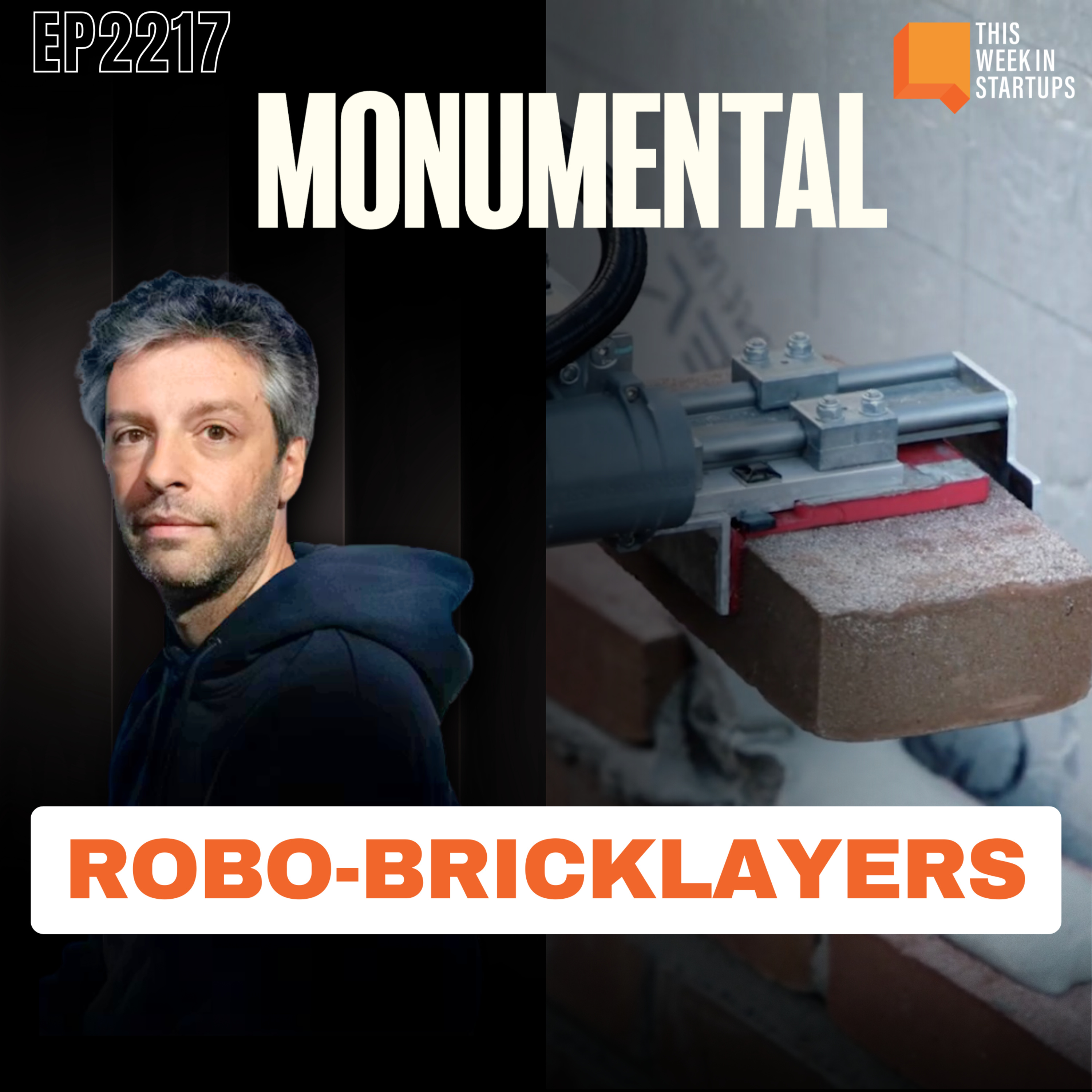
Automation in construction can do more than just lower costs for basic structures. Monumental's robots can create complex, artistic brick patterns and designs at the same speed and cost as a standard wall, potentially democratizing access to beautiful and diverse housing aesthetics.
The American Housing Corporation uses a factory-based manufacturing process to create home panels that can be shipped and assembled anywhere. Co-founder Bobby Fijan explains this model allows them to offer a fixed price for the core structure, detaching the cost from wildly variable local construction labor markets in places like San Francisco or Houston.
