Get your free personalized podcast brief
We scan new podcasts and send you the top 5 insights daily.
MANSCAPED is evolving its brand from a niche "ball trimming" identity to a broader "man care everywhere" position. This strategic shift required them to develop creative that maintained their signature humor without relying solely on their original edgy messaging, a crucial step for long-term growth.

Related Insights
To change how a brand is perceived, connect it to a broader, culturally significant movement. For example, a UK podiatry college successfully reframed its profession by positioning it not as foot care, but as an extension of the popular and growing wellness industry.

Don't rebrand for the sake of it. A successful rebrand should be a deliberate move to signal a fundamental shift in your business, such as an expansion, a new mission, or a deeper commitment to core values like sustainability. It's an external reflection of an internal change.

Manscaped deliberately selects influencers who represent an 'everyday man' rather than a polished, idealized masculine stereotype. This counter-positioning against industry giants helps them build a more relatable and authentic brand that redefines masculinity for a new generation.
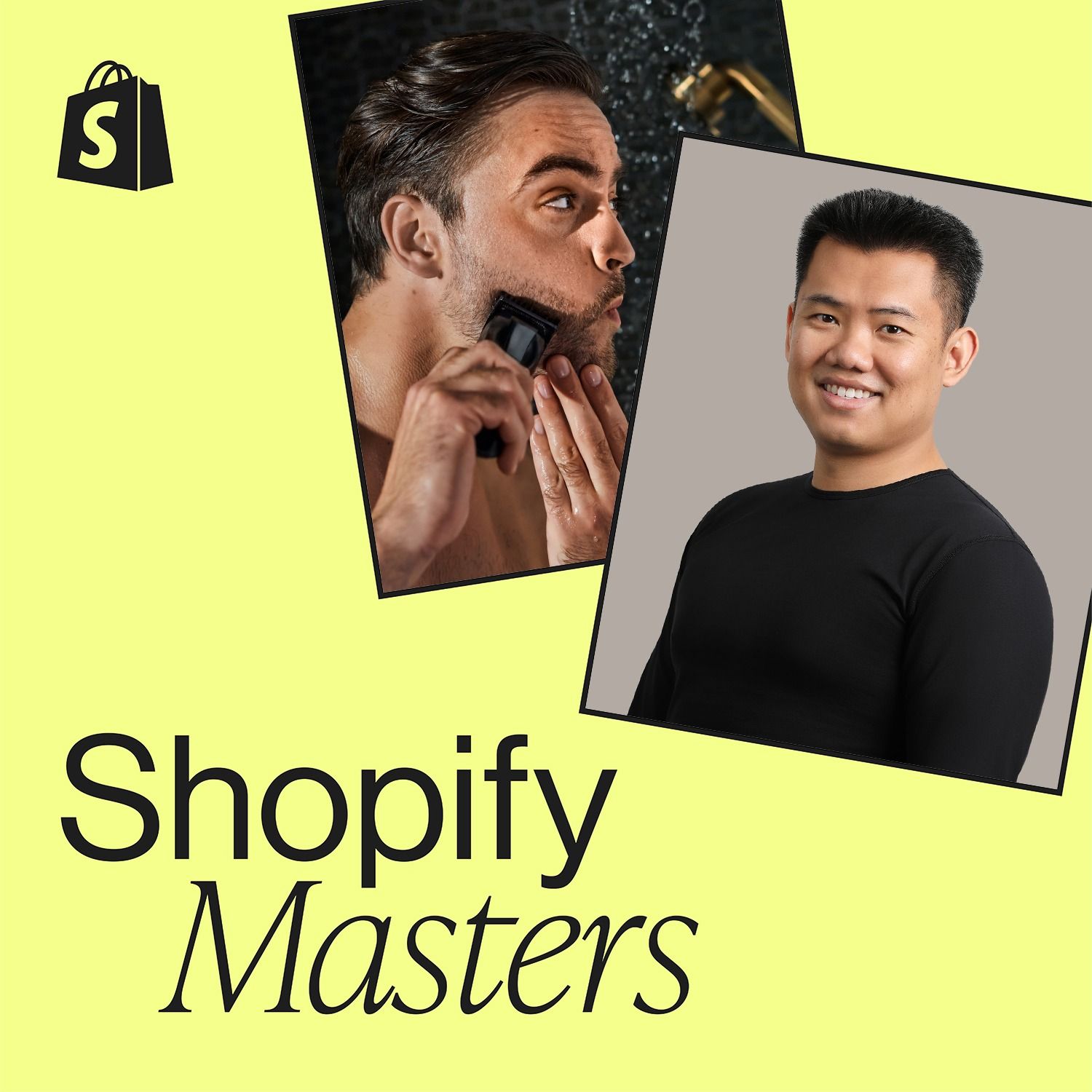
To maintain relevance across diverse subcultures, MANSCAPED works with a network of specialized meme creators. Some focus on dating culture, while others monitor deep, niche internet corners for emerging trends. This strategy allows the brand to have a well-rounded, authentic voice without overburdening its internal social team.
Branding is not just about reflecting a company's past; it can be a forward-looking tool for change. By defining a new, aspirational identity, a rebrand provides a clear path and a public commitment, guiding the organization to evolve and actively become the company it wants to be.

The brand name 'Manscaped' was acquired by founder Paul Tran as part of his personal hobby of collecting domain names for future brands. This fortuitous acquisition, followed by massive branding investment, allowed the company to own the verb for the category, akin to Kleenex for tissues.
Maintaining a brand's core positioning over decades requires evolving tactics. As cultural meanings shift, what once communicated "cool" or "sporty" can become outdated. Brands must adapt their execution to stay consistent with their original promise.

T3 redefined the hair tool category by moving its products from the home appliance section to the beauty floor. By insisting on placement next to high-end skincare and cosmetics in retailers like Nordstrom, they changed consumer perception, justified a premium price, and created an entirely new market segment.
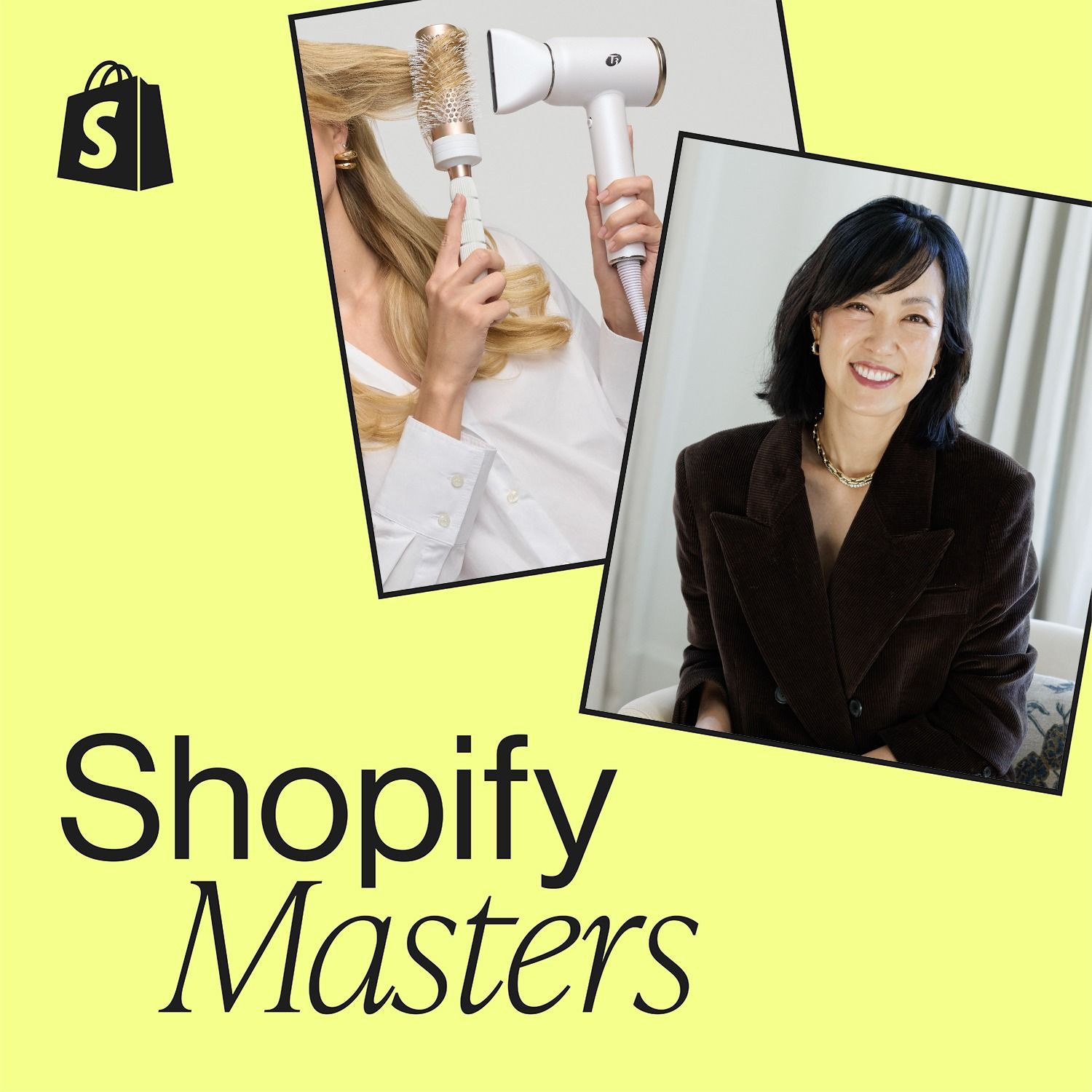
Facing network TV restrictions for its Super Bowl ad, MANSCAPED couldn't use its typical humor. To bridge this gap, their organic social campaign became a meta-commentary on the challenge of making a commercial without mentioning "balls." This engaged their core audience while setting expectations for the mainstream ad.
AG1 strategically evolved from an athlete-focused product to a science-backed wellness brand. Dropping "Athletic" from the name was a key decision to broaden its appeal and shift the narrative from a founder's tool to a consumer's daily ritual, making the customer the hero.
