Get your free personalized podcast brief
We scan new podcasts and send you the top 5 insights daily.
Vineyard Vines entered the shrinking necktie market by creating a product that wasn't about function, but identity. The subtle motifs acted as a signal that the wearer was part of an "in the know group," creating a powerful sense of tribe and making the tie a desirable social object.

Related Insights
Framing a product around "life moments" (e.g., graduation, first job) shifts the focus from functional utility to emotional significance. Coach isn't in the handbag business; it's in the "belonging business." Its real competitors are other products that provide similar affirmation.
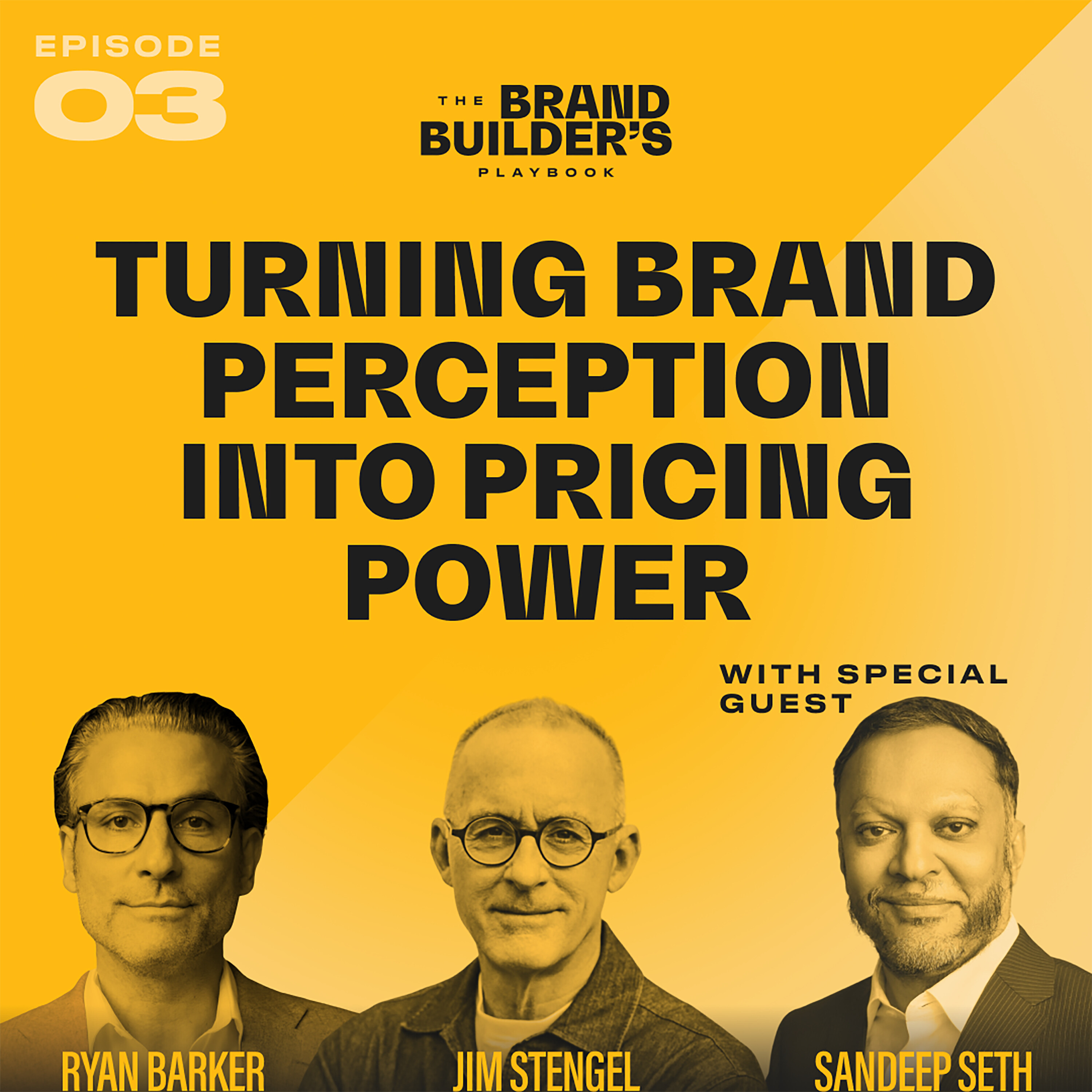
To drive repeat purchases for a durable product, Hedley & Bennett collaborates with diverse brands like the NFL and Grateful Dead. This strategy transforms a utilitarian apron into a status symbol and a form of self-expression, encouraging customers to own multiple versions that reflect their personal identity.
Nike's pivot from a niche athletic company to a cultural icon was sparked by a simple decision: producing the Waffle Trainer in blue. This allowed the shoe to be paired with jeans, transforming it from specialized athletic gear into an everyday fashion statement and symbol of identity. It shows how a minor product choice can redefine a market.
![[Outliers] Phil Knight: The Obsession That Built Nike thumbnail](https://megaphone.imgix.net/podcasts/9c0d00ea-df1d-11ef-9477-2b8336fcd8e9/image/113a058265322df92ae562c548d1dc8f.jpg?ixlib=rails-4.3.1&max-w=3000&max-h=3000&fit=crop&auto=format,compress)
The founders selected neckties for strategic business reasons beyond personal preference. Ties offered high profit margins, required no sizing (simplifying inventory), and took up minimal retail space, making them an ideal product for a self-funded startup with limited capital.
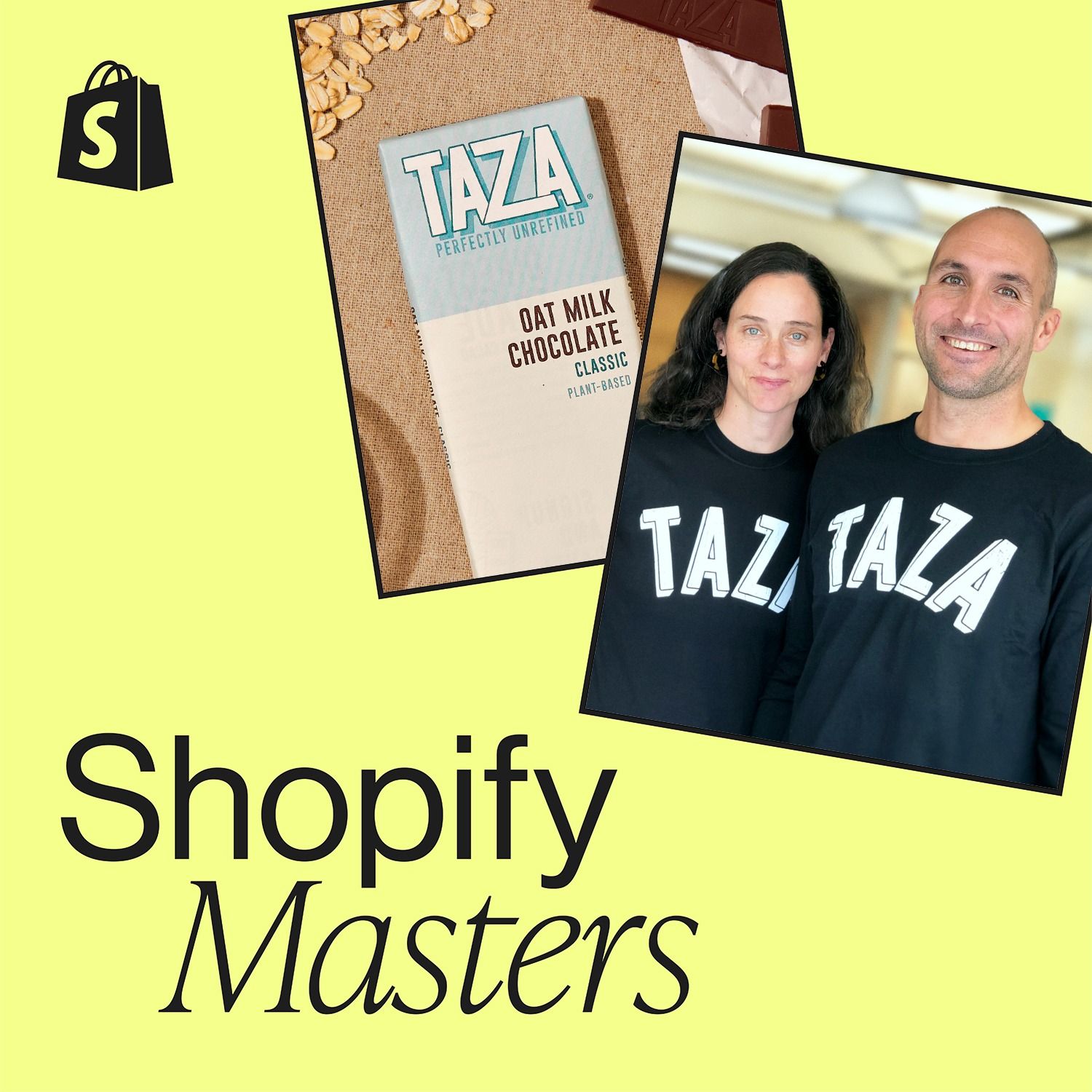
In a market dominated by corporations, Taza found a defensible niche by making a "polarizing" stone-ground chocolate. This strategy of appealing intensely to a core group, rather than pleasing the mass market, was key to their survival and success as a small business.
The vest has become a uniform in finance and tech because it's one of the few items of clothing that can be acceptably branded in a corporate setting. It acts as a "wearable business card," silently communicating one's company, industry, and status, fulfilling a deep-seated human desire to belong to a tribe.

After a rebrand, old logos and merchandise are not necessarily obsolete. For long-time community members and supporters, owning and displaying "vintage" gear becomes a way to signal their early connection to the company, demonstrating loyalty and a sense of "I knew them back when."

Collectibles have evolved beyond niche hobbies into a mainstream communication tool, similar to fashion or luxury cars. Consumers use them to signal identity, tribal affiliation, and status. Brands can leverage this behavior to build deeper connections and create a sense of community.

A strong brand transforms a commodity by pairing it with desirable traits like "winning" or "luxury." Customers pay a premium not for the physical item, but to acquire a small piece of that association for themselves. They exchange money to feel like a winner or part of an exclusive group.

While the functional, mass-market pen industry is collapsing due to digital tools, the ultra-high-end niche is prospering. Pens costing thousands, or even a million dollars, succeed as status symbols and collectibles. This shows that for certain physical products, brand and craftsmanship can create a market immune to technological obsolescence.