Get your free personalized podcast brief
We scan new podcasts and send you the top 5 insights daily.
The concept of a personal property manager has been tried before, but was not technologically feasible to scale until recently. Modern multimodal AI combined with specialized hardware now allows for the creation of an intricate digital twin of a home in hours, a prerequisite for providing a high-quality, scalable service.

Related Insights
According to Figure's CEO, the company's biggest challenge is no longer hardware reliability but acquiring enormous amounts of diverse, high-quality data. This data is essential for pre-training their Helix AI model to generalize and handle countless real-world scenarios in homes and commercial settings.
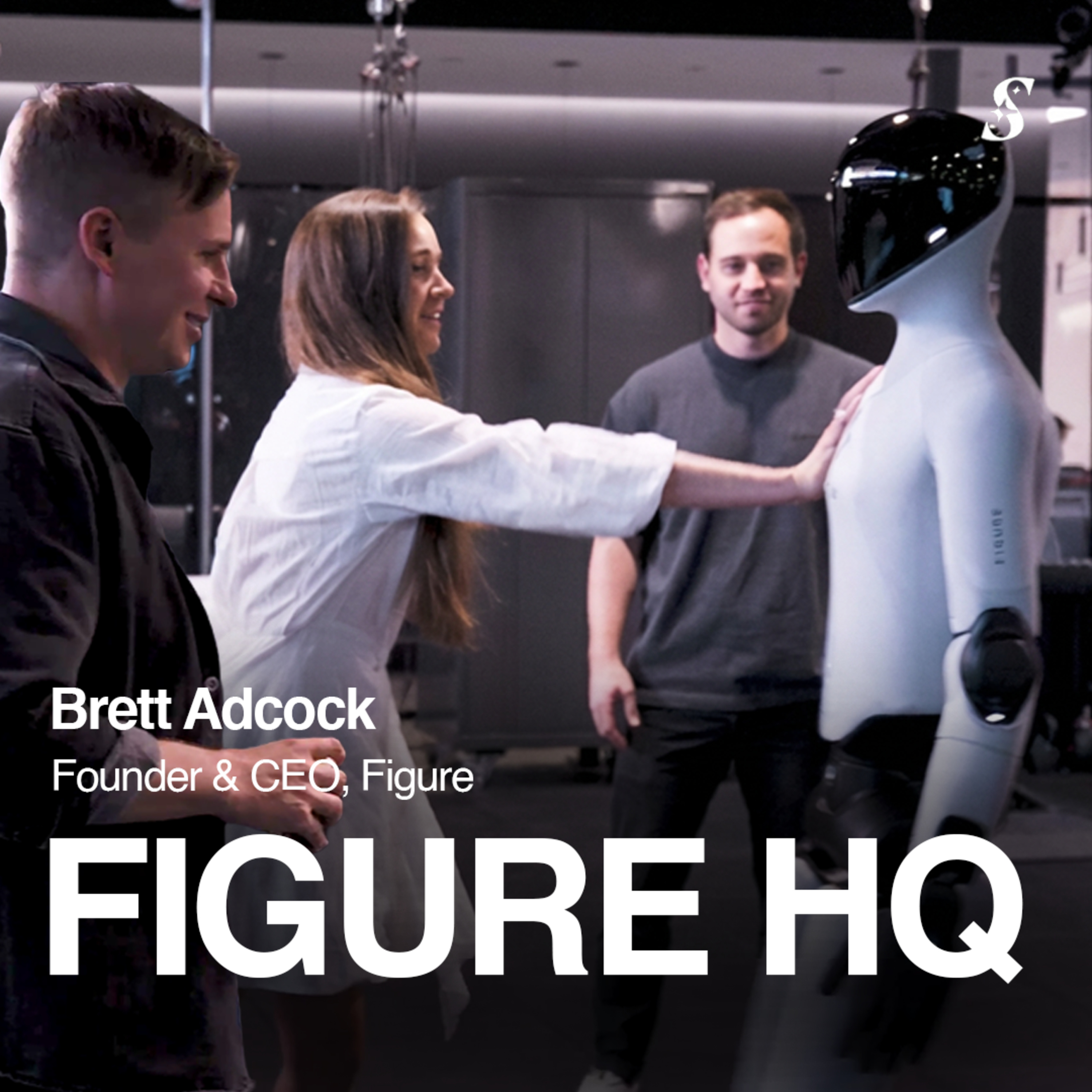
Progress in robotics for household tasks is limited by a scarcity of real-world training data, not mechanical engineering. Companies are now deploying capital-intensive "in-field" teams to collect multi-modal data from inside homes, capturing the complexity of mundane human activities to train more capable robots.

CoStar acquired Matterport for its 3D "digital twin" technology. This move aims to deepen its competitive moat beyond property data by providing subscribers with immersive, virtual walkthroughs of buildings—a feature that is incredibly difficult and expensive for competitors to replicate at scale.

The technical friction of setting up AI agents creates a market for dedicated hardware solutions that abstract away complexity, much like Sonos did for home audio, making powerful AI accessible to non-technical users.

Contrary to stereotypes of being tech-resistant, home service professionals are adopting AI. The AI agent handles tedious but critical tasks like booking and lead follow-up. This allows skilled technicians to focus on their primary job, where they are the experts and "main characters," without being replaced.
The evolution from simple voice assistants to 'omni intelligence' marks a critical shift where AI not only understands commands but can also take direct action through connected software and hardware. This capability, seen in new smart home and automotive applications, will embed intelligent automation into our physical environments.

According to Ring's founder, the technology for ambitious AI features like "Dog Search Party" already exists. The real bottleneck is the cost of computation. Products that are technically possible today are often not launched because the processing expense makes them commercially unviable.

Contrary to starting in controlled industrial settings, ONE X believes the complex, diverse, and social nature of the home is the best environment to develop true general intelligence. The robot must learn to navigate social context, like holding a door for someone, which is data unavailable in a factory.
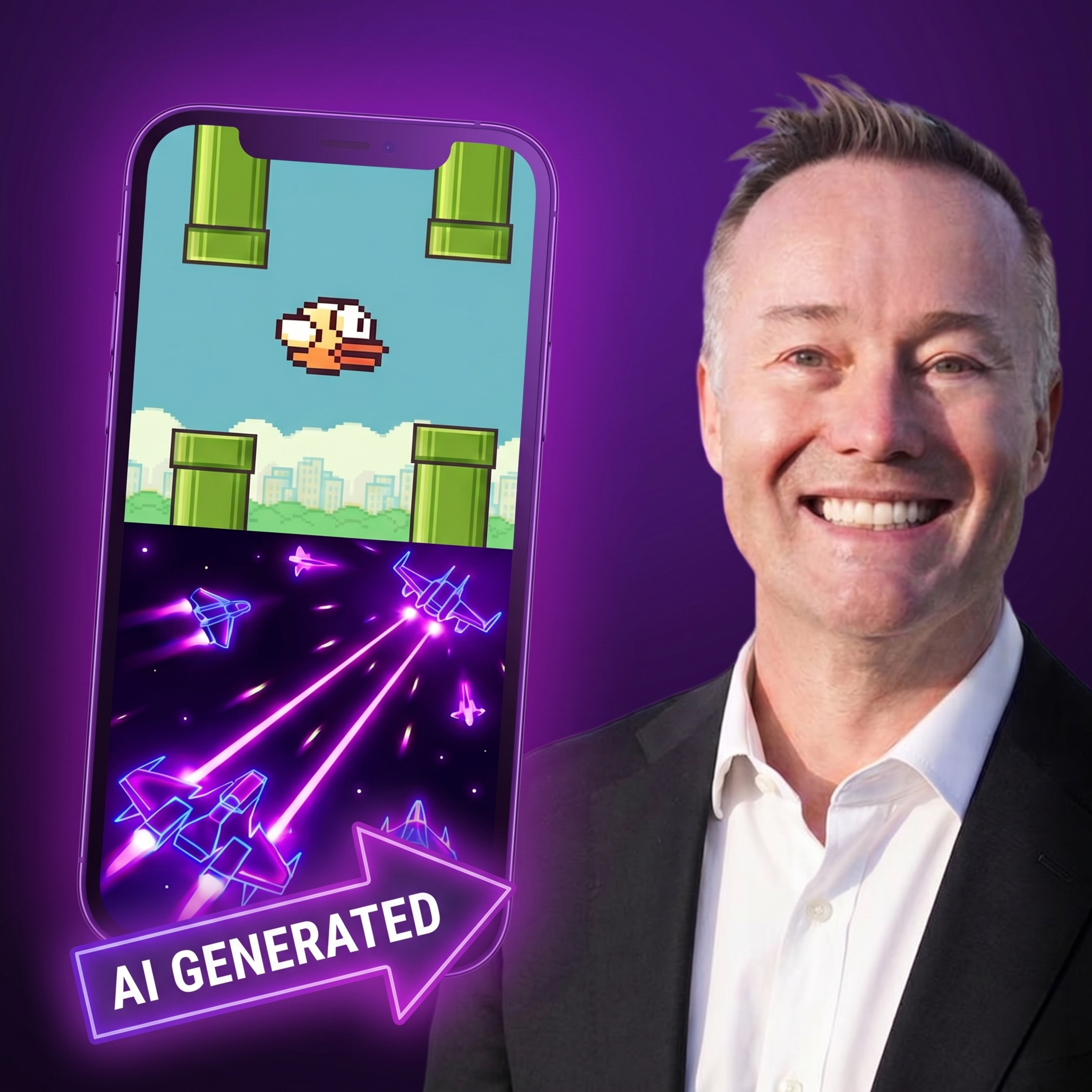
A previously failed startup idea—a digital concierge for hotels—is now viable due to the widespread adoption of QR codes and advancements in AI. This creates a timely opportunity to build a platform that automates repetitive guest inquiries, handles bookings, and partners with local businesses, addressing a persistent pain point for hotel managers.

Current smart homes are just internet-connected devices requiring human input. AI agents like Clawdbot can act as the central intelligence, using new interfaces (like AI rings) and presence sensors to create a context-aware, proactive environment that anticipates and serves your needs.