Get your free personalized podcast brief
We scan new podcasts and send you the top 5 insights daily.
Dorian Yates warns that any muscle gained with anabolic steroids is temporary. When you stop, not only do the physical gains disappear, but your natural hormone production is suppressed, often leading to depression. This creates a powerful incentive to get "back on" the merry-go-round.

Related Insights
Yates treated his career like a science experiment, logging every workout. This data-driven approach showed him that increasing his training from three to four times a week completely stopped his progress, providing a personal, practical proof that more is not always better.
Doctors are often trained to interpret symptoms arising after stopping psychiatric medication as a relapse of the original condition. However, these are frequently withdrawal symptoms. This common misdiagnosis leads to a cycle of re-prescription and prevents proper discontinuation support.

Dorian Yates dismisses the term "toning" as a misnomer for women. The desired firm look is achieved by building muscle and losing fat. Women should follow the same resistance training principles as men; their lower testosterone levels will naturally prevent them from becoming overly muscular.
Many people use substances to treat anxiety or depression, not realizing the substance itself causes a dopamine deficit that mimics those conditions. Abstaining for four weeks allows the brain to reset its reward pathways and restore natural dopamine production, often resolving the symptoms entirely.

The act of training creates damage and stress; it doesn't build muscle directly. Growth occurs during the recovery and overcompensation phase. Training again before this process is complete is counterproductive, like constantly demolishing a half-built wall.
While low testosterone can cause poor sleep, starting TRT can also lead to sleep issues. It drastically increases the risk of sleep apnea and can initially put the body into a hypersympathetic (fight-or-flight) state, disrupting sleep patterns.
Dr. D'Agostino gives his aging, neutered dogs a Selective Androgen Receptor Modulator (SARM) to stimulate muscle protein synthesis and maintain vitality. This approach is analogous to Testosterone Replacement Therapy (TRT) in humans, aiming to counteract the loss of skeletal muscle mass associated with aging and hormonal changes.

Melissa Wood Tepperberg replaced other addictions with an obsessive, two-hour-a-day workout regimen. This high-stress approach, pumping her body with cortisol, was counterproductive, leading to weight gain and feeling worse. This shows how seemingly healthy habits can become another form of self-punishment.

Constantly bombarding our reward pathways causes the brain to permanently weigh down the 'pain' side of its pleasure-pain balance. This alters our baseline mood, or 'hedonic set point,' meaning we eventually need our substance or behavior not to get high, but simply to escape a state of withdrawal and feel normal.
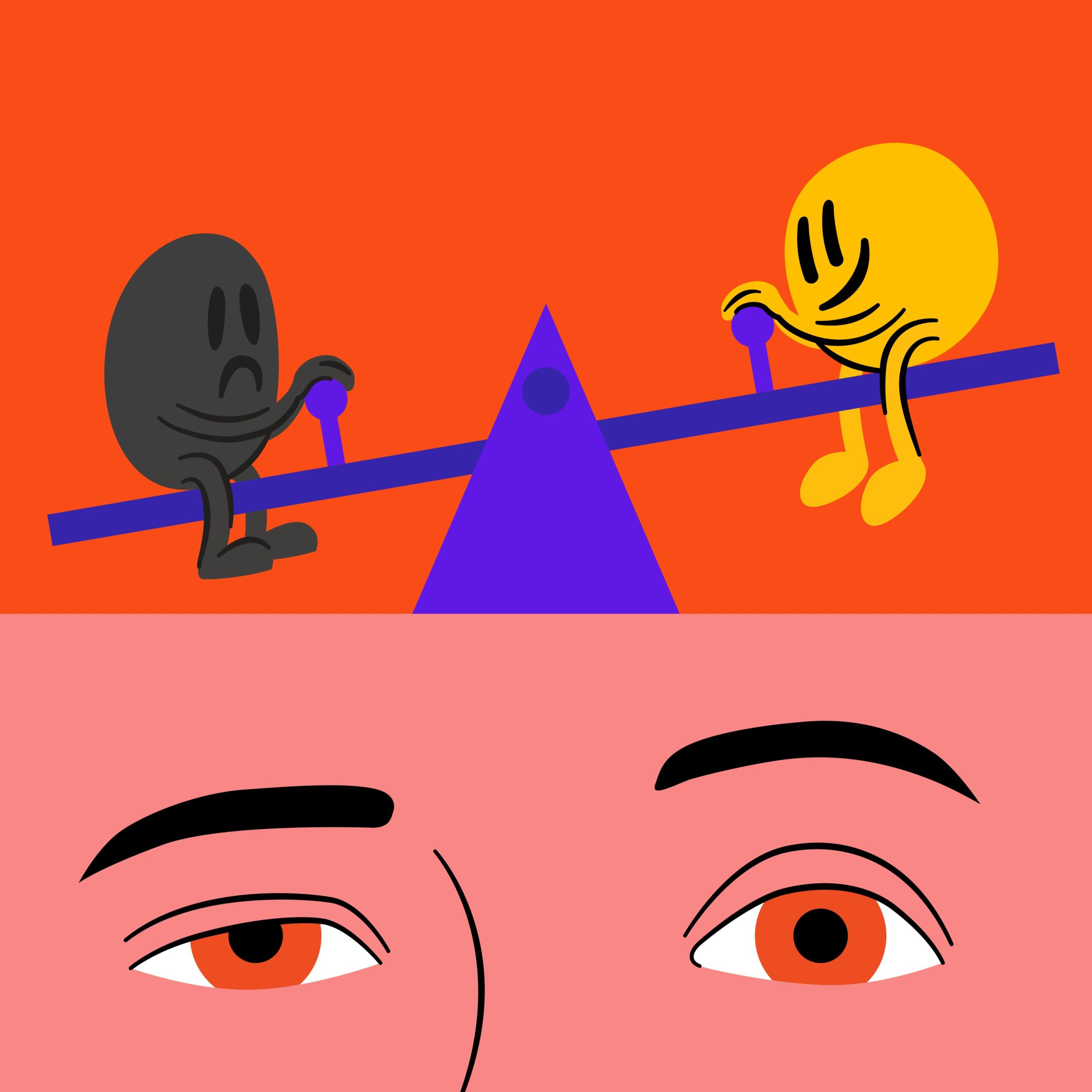
The brain maintains a pain-pleasure balance. Constantly triggering pleasure (dopamine) causes the brain to overcompensate by activating pain pathways, leading to a chronic dopamine-deficient state that manifests as anxiety, irritability, and depression.