Get your free personalized podcast brief
We scan new podcasts and send you the top 5 insights daily.
Ted Turner's original vision for 24-hour news was to challenge the big three networks and make information more accessible. The current sensationalist cable news landscape is a distortion of his legacy, which he would not have endorsed.

Related Insights
According to Van Jones, cable news has pivoted from breaking news to manufacturing conflict. The primary goal is no longer live reporting but creating contentious segments designed to be clipped and go viral on social media, fundamentally changing the business.
The primary function of cable news has shifted. It no longer breaks news but instead produces segments specifically designed to be clipped and go viral on social media platforms. Its main impact is now on the broader internet conversation, not its direct viewership.

Entering the hyper-polarized and saturated D.C. news market, Semafor's key innovation was not a new technology or format. Instead, it was a bet that leaders quietly crave balanced, fact-based information. This contrarian focus on separating news from opinion attracted an audience across the political spectrum.

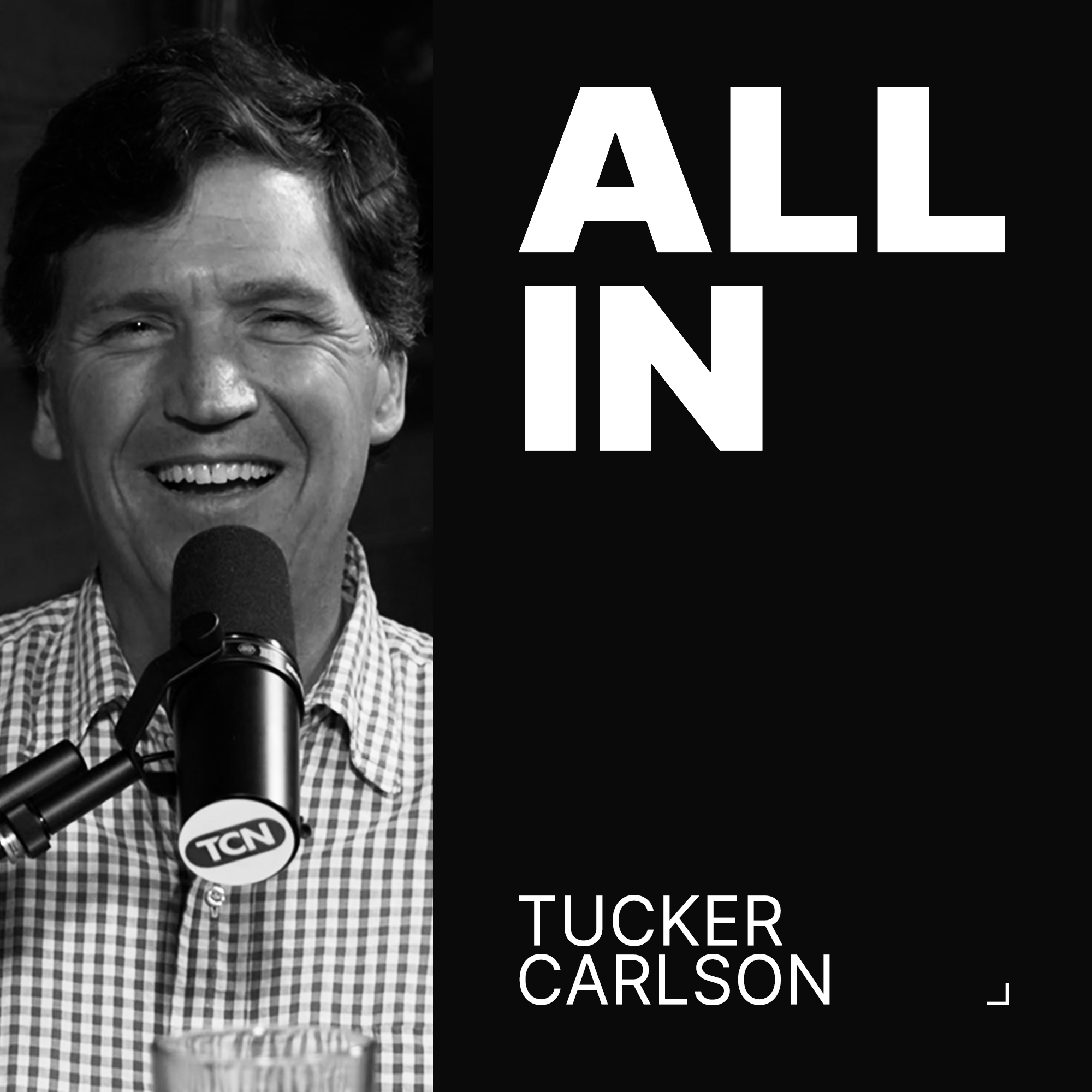
Tucker Carlson argues that legacy media brands have lost their power to shape public opinion. Their value is now primarily brand recognition, not their content's impact. True cultural influence has shifted to decentralized, creator-driven platforms like YouTube and X.
Efforts to control or suppress legacy media outlets like CNN are increasingly futile. When established journalists are laid off or silenced, they migrate to creator platforms like Substack, taking their audiences with them. An attack on one large entity inadvertently strengthens a more resilient, decentralized media ecosystem.
Paramount's purchase of Warner Brothers, led by the conservative donor Ellison family, consolidates immense media power. They now control CBS, CNN, major movie studios, and a part of TikTok, marking a significant shift by placing a vast portfolio of mainstream media assets under concentrated ideological influence.

Former BBC CEO Deborah Turness warns that large media brands must learn from the creator economy. She urges them to stop "managing" the news and instead empower talent to build authentic, direct relationships with audiences, mirroring platforms like Substack and YouTube.
While the obvious targets for Netflix are Warner's famous IP like Batman, acquiring CNN would be a game-changer. It would provide a proven, global, 24/7 live content stream, accelerating Netflix's strategic shift from on-demand video to a constant live-event platform.

The promise of new media was to foster deep, nuanced conversations that legacy outlets abandoned. However, it is increasingly falling into the same traps: becoming predictable, obsessed with personality feuds, and chasing clicks with inflammatory content instead of pursuing truth.

Political resistance to deals like a Paramount-Warner Bros. merger isn't about consolidating entertainment franchises like Batman. The core fear is the potential for one entity to control major news outlets (CNN, CBS), creating a perceived "monopoly on truth" and wielding outsized political influence.
