Get your free personalized podcast brief
We scan new podcasts and send you the top 5 insights daily.
Instead of fielding endless private Slack DMs, create a public intake channel for all requests. This system allows the entire team to see the volume of work, enabling better triage and load balancing, while also building empathy with stakeholders who can now visualize the team's true workload.

Related Insights
To combat remote work isolation, Atlassian designates one team member per week as the "Chief Vibes Officer" (CVO). This person's job is to inject fun and connection through activities like posting prompts in Slack. This simple ritual builds social bridges, leading to higher trust and better problem-solving.
Integrate AI agents directly into core workflows like Slack and institutionalize them as the "first line of response." By tagging the agent on every new bug, crash, or request, it provides an initial analysis or pull request that humans can then review, edit, or build upon.

High-performing remote teams exhibit "bursty" collaboration—short, intense periods of interaction followed by deep work. To enable this, teams should cancel recurring meetings and instead establish shared "collaboration hours" where everyone is available for ad-hoc problem-solving and spontaneous discussion.
Adopt engineering methodologies like sprints, story points, and capacity dashboards for marketing operations. This provides the data needed to manage stakeholder expectations, prioritize requests transparently, and move the team from reactive order-takers to strategic partners with a defensible roadmap.

To manage stakeholder expectations and create predictable workflows, collaboratively create Service Level Agreements (SLAs) with each internal team. This approach builds mutual understanding and buy-in, making it easier to enforce timelines and address deviations from the agreed-upon process later on.
When a project stagnates, it's often because "everyone's accountable, which means no one's accountable." To combat this diffusion of responsibility, assign one "single-threaded owner" who is publicly responsible for reporting progress and triaging issues. This clarity, combined with assigning individual names to action items, fosters true ownership.

When a prospect doesn't respond, don't default to thinking they're ignoring you. Instead, assume they are extremely busy and your message was lost in the noise. This mindset encourages persistent, multi-channel follow-up rather than premature disqualification.

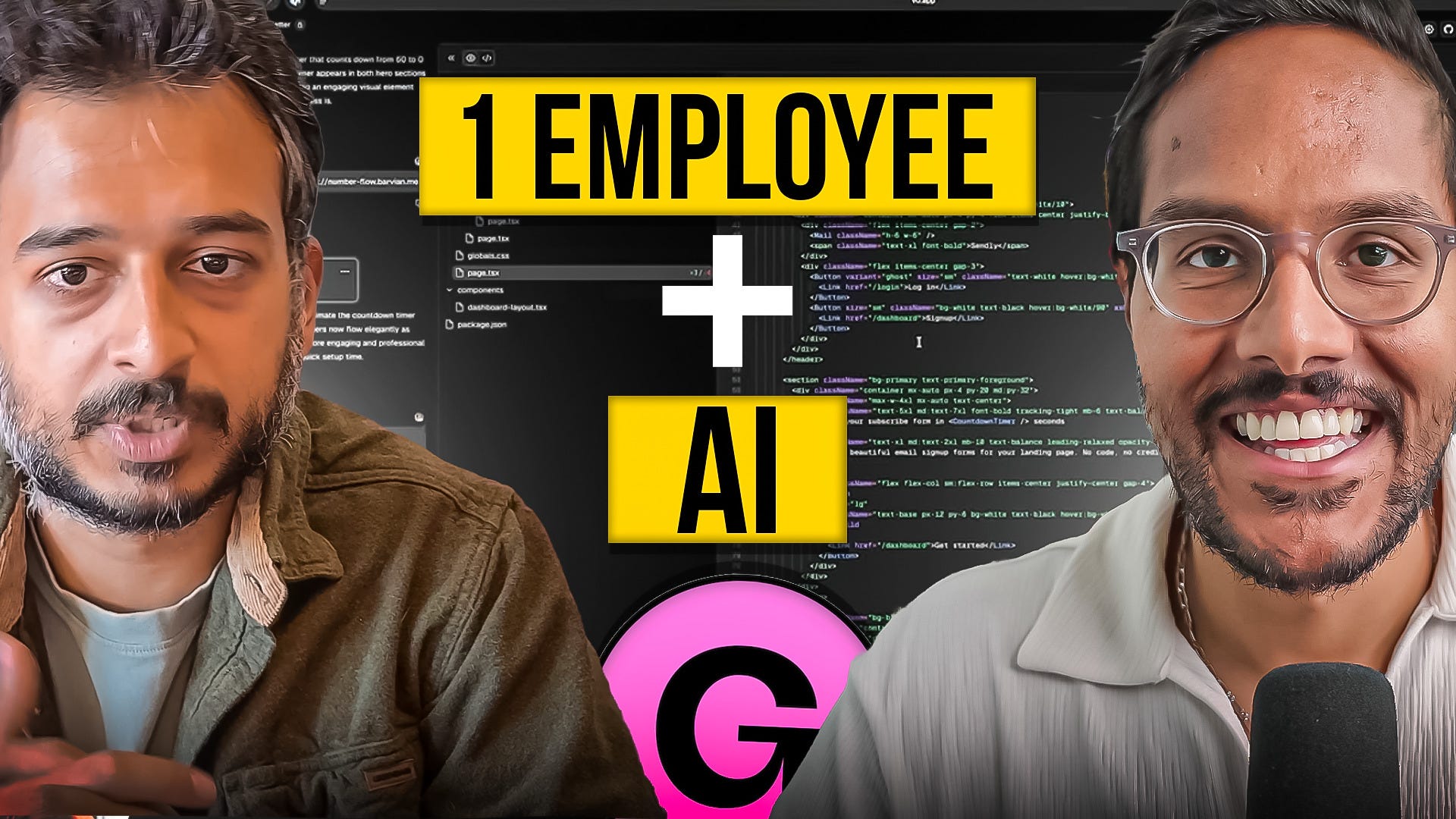
Instead of a multi-week process involving PMs and engineers, a feature request in Slack can be assigned directly to an AI agent. The AI can understand the context from the thread, implement the change, and open a pull request, turning a simple request into a production feature with minimal human effort.
To stop incomplete requests, configure your ticketing system (e.g., Jira) to require all necessary information—like asset links and UTM parameters—before a ticket can be submitted. This forces stakeholders to do their upfront work and saves the ops team from chasing down details.
To prevent resentment in high-pressure teams, implement a scheduled forum for fearless feedback, like a "Sunday SmackDown." This creates a predictable, safe container for airing grievances—personal or professional. By separating critique from daily operations, it allows team members to be open and constructive without the awkwardness or fear of disrupting morale, thereby preventing small issues from escalating.
