Get your free personalized podcast brief
We scan new podcasts and send you the top 5 insights daily.
Achieving rapid and full reusability of its launch vehicles is the single most critical factor for SpaceX. It's not just an efficiency gain; it's the foundational enabler for the economics of every future business line, from orbital compute and Starlink v3 to direct-to-cell services.

Related Insights
The entire strategy of building data centers in space is only economically feasible because SpaceX's Starship is projected to increase launch capacity by 20 times and drastically lower costs. This specific technological leap turns a sci-fi concept into a viable business model.
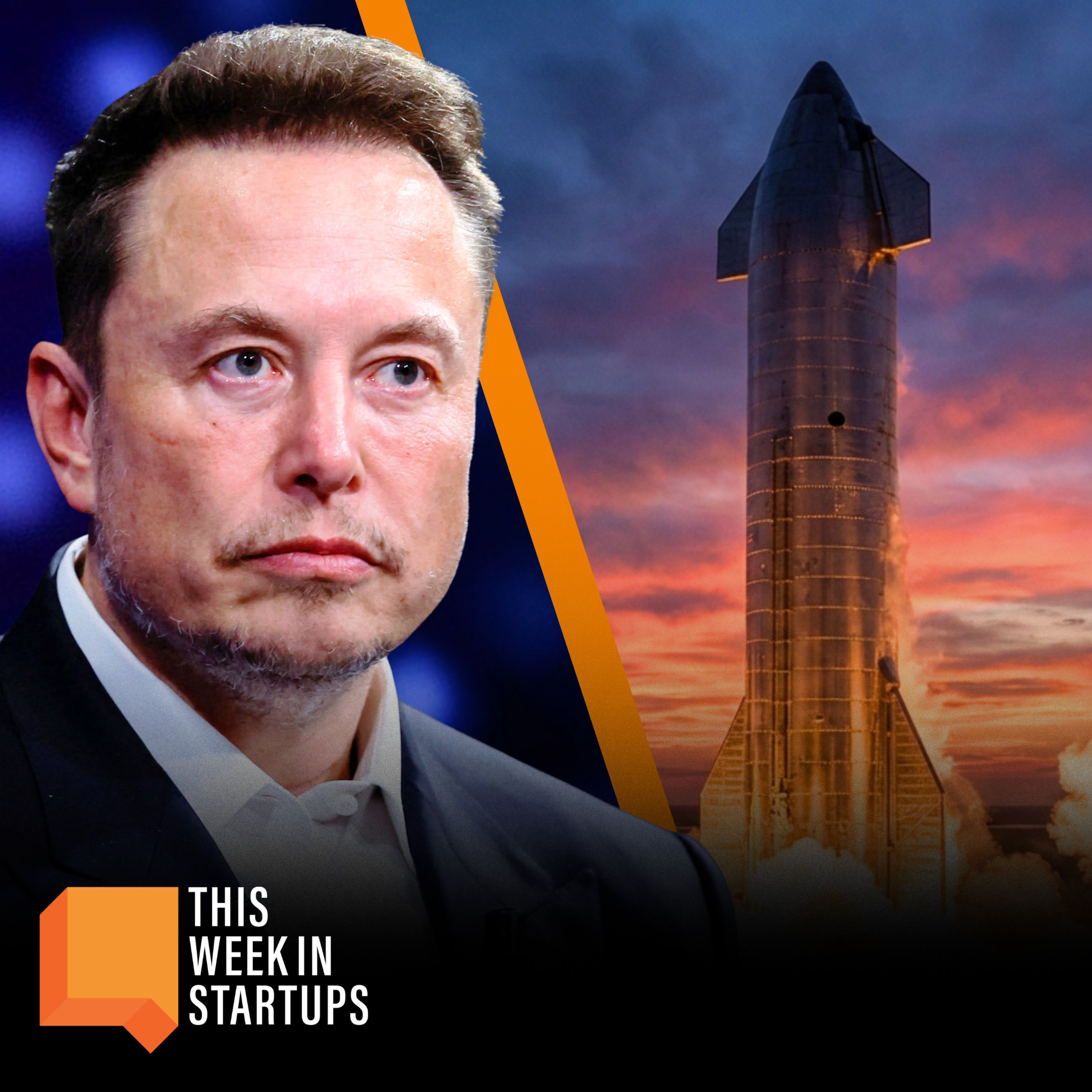
Getting to space is now relatively cheap thanks to SpaceX. The next economic revolution will be triggered by solving the much harder problem of bringing materials back from space. This will enable in-space manufacturing and create a true two-way space economy.

Unlike current rockets, Starship is designed for full and rapid reusability. This aircraft-like operational model is projected to drop the cost per kilogram to orbit from over $1,400 to potentially as low as $10, enabling an economic revolution for space-based infrastructure.

The market values SpaceX at a higher multiple per launch as its launch cadence increases. This reflects an evolution from one-off government projects to recurring revenue from constellations (like Starlink), and ultimately to a multi-faceted space platform. The increasing quality and predictability of its business model, not just volume, justifies its rising valuation.

Skepticism around orbital data centers mirrors early doubts about Starlink, which was initially deemed economically unfeasible. However, SpaceX drastically reduced satellite launch costs by 20x, turning a "pipe dream" into a valuable business. This precedent suggests a similar path to viability exists for space-based AI compute.

The defensible case for SpaceX's massive valuation is less about Elon Musk's futuristic vision and more about its tangible competitive moat. The company has a functional monopoly on launch capabilities and a decade-long head start on its satellite internet business, controlling essential infrastructure for the future space economy.

Recent viability for orbital data centers doesn't stem from new server technology, but from SpaceX's Starship rocket. Its success in dramatically lowering the cost of launching mass into orbit is the critical, non-obvious enabler that makes the entire concept economically plausible for the first time.
SpaceX's cash-cow, Starlink, is facing network congestion due to rapid growth. The solution requires larger satellites that are too big for the current Falcon 9 rocket. The success of the much larger, reusable Starship is therefore a critical bottleneck for unlocking Starlink's future profitability and expansion.
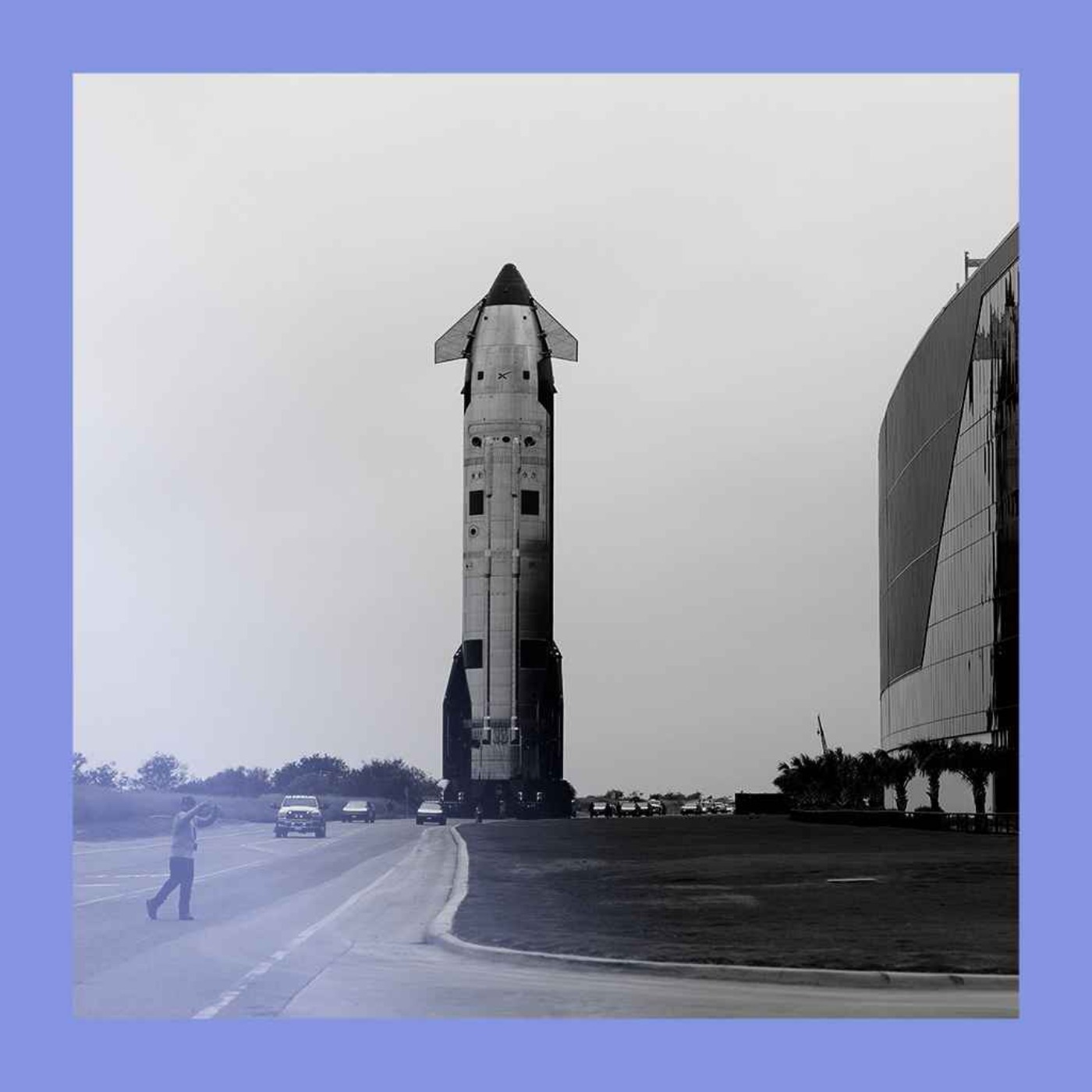
Competitors might achieve rocket reusability, but SpaceX aims for *rapid* reusability—flying the same rocket multiple times per day. This is a monumental engineering challenge that is key to enabling ambitious goals like a Mars colony and represents a vast technological lead.
SpaceX’s mastery of rocket launches, which reduced costs by over 50x, is not just a service they sell. It's a strategic advantage that enables their highly profitable, high-margin Starlink satellite internet business, creating a powerful, self-reinforcing flywheel where they are their own biggest customer.
