Get your free personalized podcast brief
We scan new podcasts and send you the top 5 insights daily.
Getting to space is now relatively cheap thanks to SpaceX. The next economic revolution will be triggered by solving the much harder problem of bringing materials back from space. This will enable in-space manufacturing and create a true two-way space economy.

Related Insights
Jeff Bezos's post-Amazon focus isn't on space colonization but on offshoring Earth's polluting industries, like manufacturing and data centers. This "garden and garage" concept treats space as a utility to preserve Earth's environment, not just a frontier for human exploration.

Reusable rockets will efficiently deliver payloads to Low Earth Orbit (LEO), where specialized "space tugs" will then take over for the final, more efficient journey to higher orbits. This creates a new, more economical layer of in-space transportation infrastructure.
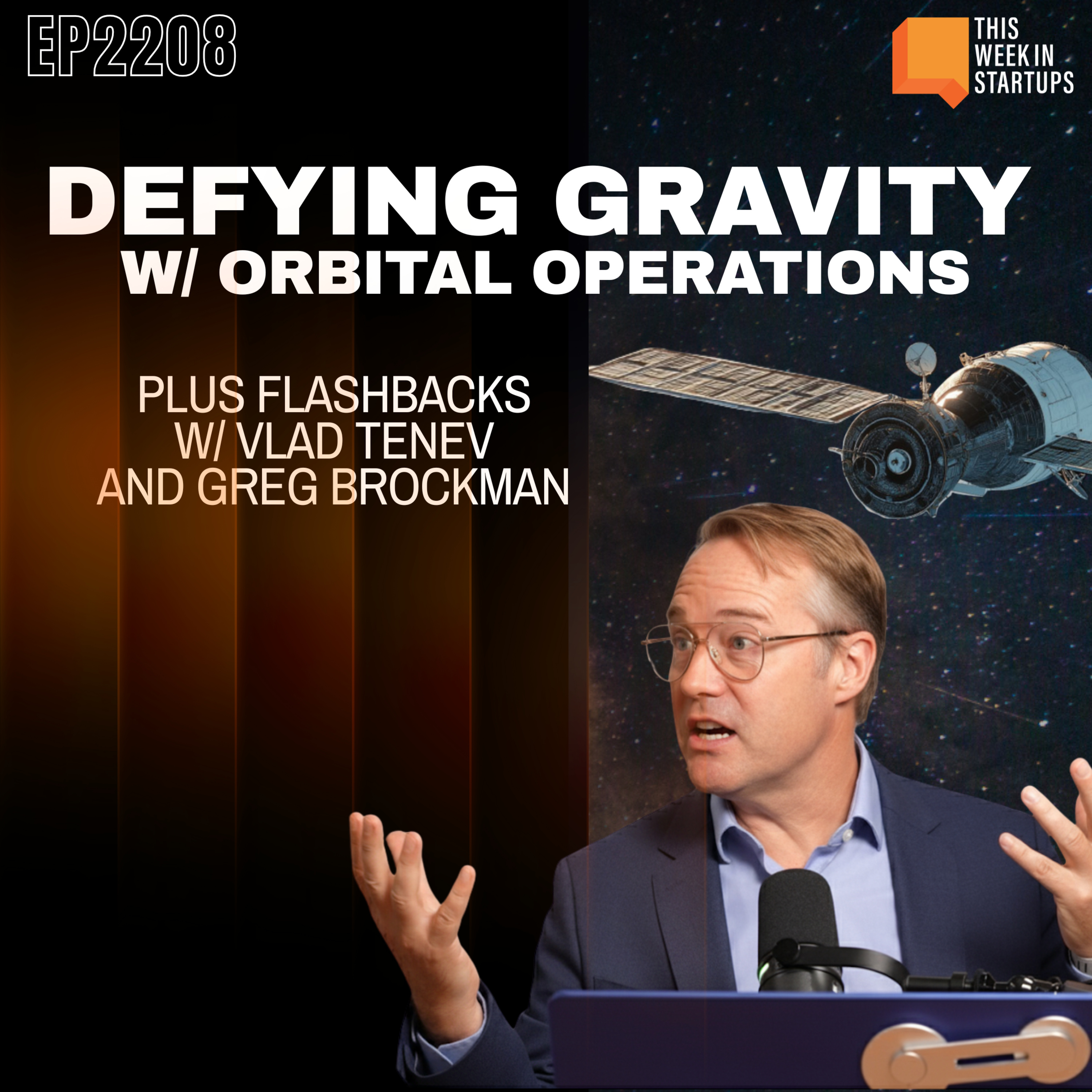
Unlike current rockets, Starship is designed for full and rapid reusability. This aircraft-like operational model is projected to drop the cost per kilogram to orbit from over $1,400 to potentially as low as $10, enabling an economic revolution for space-based infrastructure.

The long-term vision isn't just launching data centers, but manufacturing them on the moon. This would utilize lunar resources and electromagnetic mass drivers to deploy satellites, making Earth's launch costs and gravity well irrelevant for deep space expansion.
Lux Aeterna's reusable satellites fundamentally change space mission economics. Instead of designing for maximum longevity, companies can now create shorter, purpose-built missions (e.g., six months) for applications like in-space manufacturing, where the value lies in bringing physical materials back to Earth.

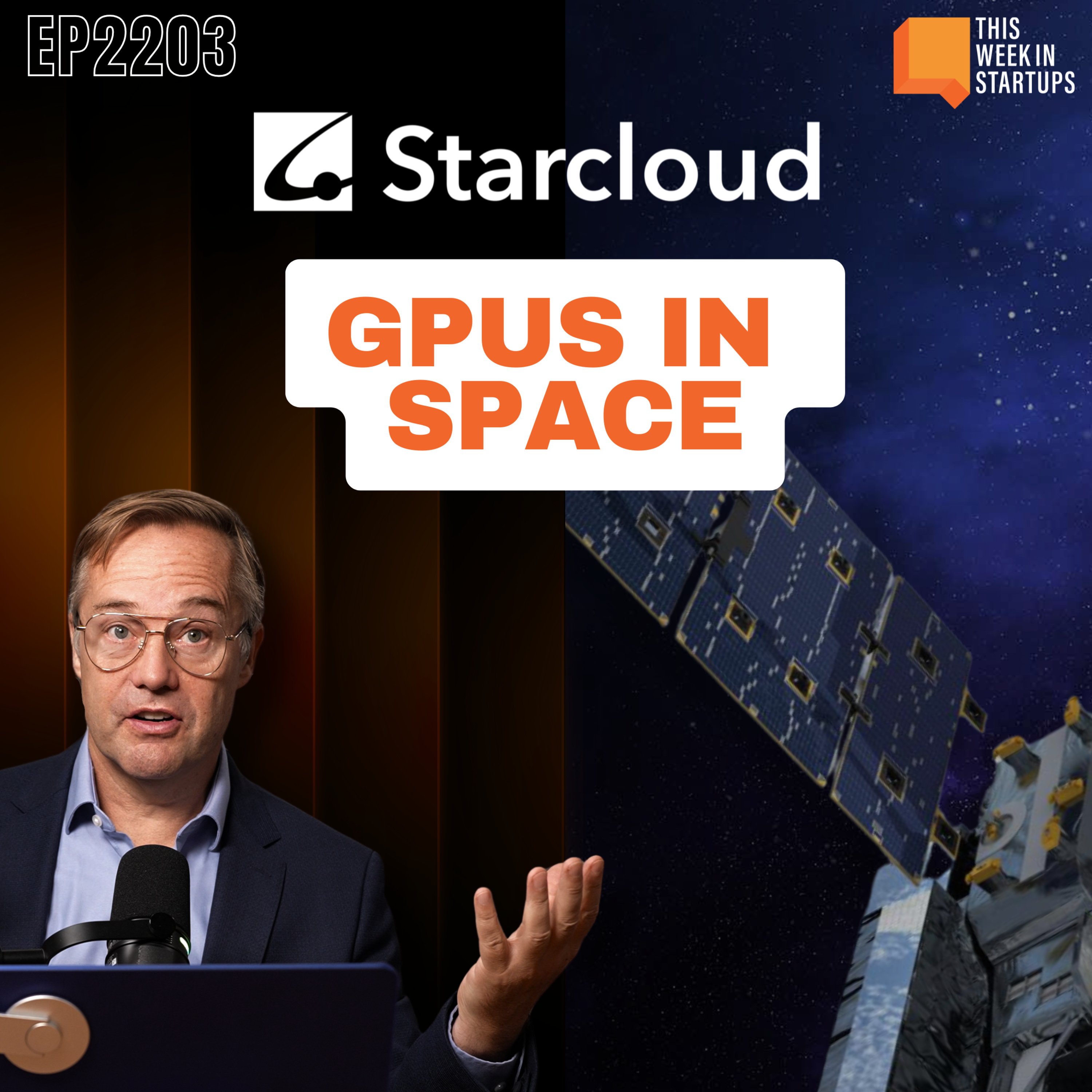
Startups are successfully deploying infrastructure like in-orbit GPUs. However, the space economy remains self-referential, serving other space companies. It needs a major commercial application with Earth-based customers, like asteroid mining, to achieve sustainable growth.
Varda Space, an in-orbit manufacturing company, simplifies its business model by treating space launches as a mere shipping cost, not a core competency. Co-founder Will Bruey notes they use SpaceX instead of FedEx, but from a business perspective, 'shipping is shipping.' This focus allows them to concentrate on their true value: manufacturing in microgravity.
Elon Musk has strategically shifted SpaceX's primary focus from colonizing Mars to establishing an industrial base on the Moon. The new vision is to manufacture AI satellites on the lunar surface and launch them into a 'Dyson swarm' using electromagnetic mass drivers, framing the Moon as a critical stepping stone for a space-based economy.

Recent viability for orbital data centers doesn't stem from new server technology, but from SpaceX's Starship rocket. Its success in dramatically lowering the cost of launching mass into orbit is the critical, non-obvious enabler that makes the entire concept economically plausible for the first time.

Unlike tech giants dominating terrestrial markets like search or e-commerce, SpaceX's near-monopoly on space launch makes it the gatekeeper to the entire physical universe. This reframes its potential from a niche industry player to a foundational utility for all future off-planet endeavors.
