Get your free personalized podcast brief
We scan new podcasts and send you the top 5 insights daily.
Wang connects his aversion to structured environments, like classrooms and corporate law, to a deep-seated anti-authoritarianism. This personality trait, which made him a poor traditional student, also drove him away from a conventional career and toward creating his own unique venture, the Queens Night Market, on his own terms.

Related Insights
John Wang's Yale Law/MBA background provided a safety net, allowing him to risk starting the Queens Night Market. This "resume privilege" meant he could likely find a job if it failed—a luxury most small business owners lack, enabling him to pursue a passion project without existential financial fear.
True entrepreneurship often stems from a 'compulsion' to solve a problem, rather than a conscious decision to adopt a job title. This internal drive is what fuels founders through the difficult decisions, particularly when forced to choose between short-term financial engineering and long-term adherence to a mission of creating real value.

High-agency individuals resist social conformity. Their opinions don't fit neatly into ideological boxes. They often have unusual teenage hobbies (like juggling) that offered no social status, demonstrating an early internal locus of control and a disregard for external validation.

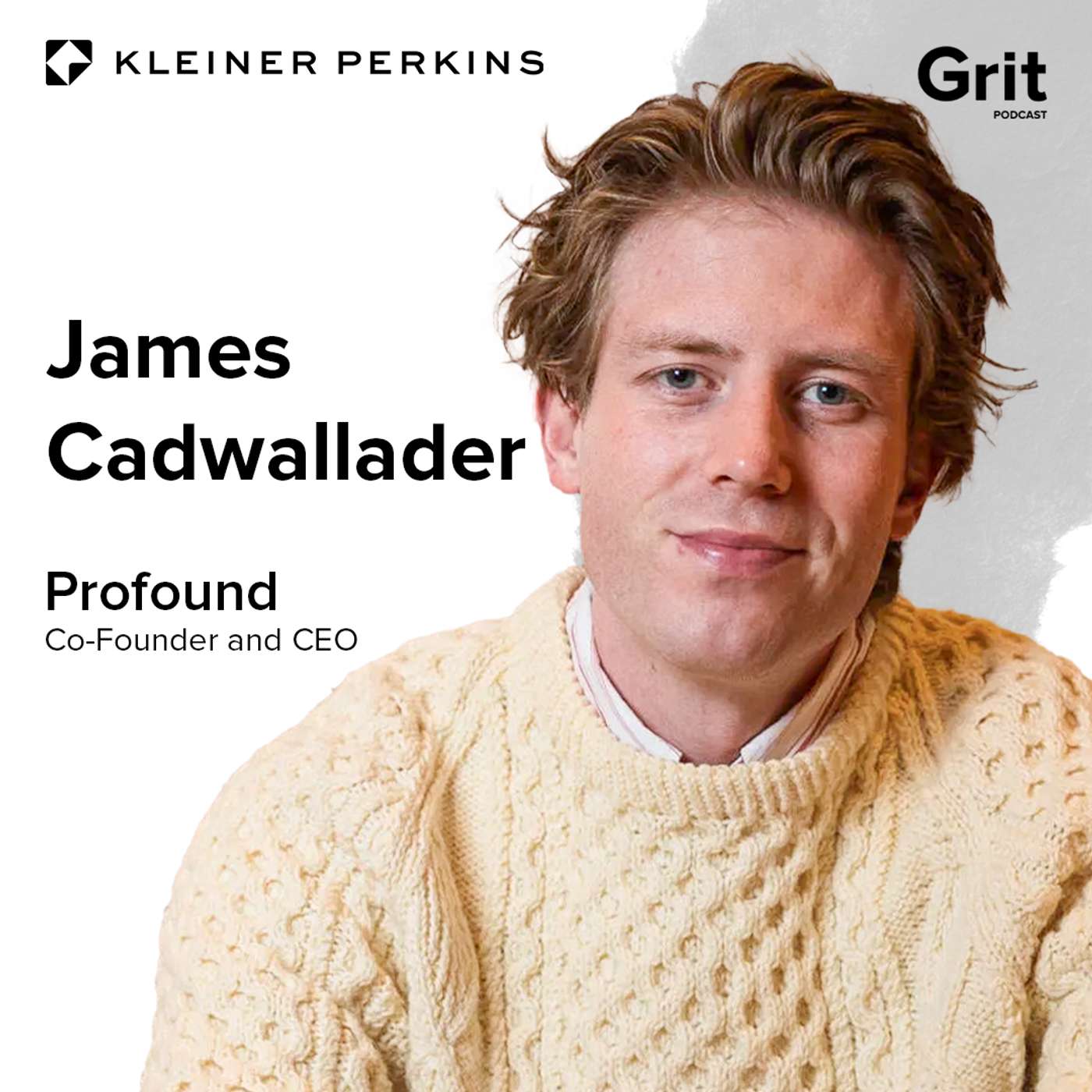
The Profound CEO's decision to start a door-to-door gold-selling business instead of attending university was a formative "breakout of the matrix moment." This early, unconventional success instilled a deep-seated belief that one can forge their own path without following a traditional script.
For young people pursuing non-traditional careers, parental discomfort is a preferable outcome to seeking approval. If you succeed, their pride is immense. If you fail, you learn to operate without their validation. Both outcomes build crucial entrepreneurial resilience.

Founders often need to shed the mindset instilled by traditional, prestigious careers. This involves questioning subconscious drivers like "what should I do?" and intentionally replacing them by surrounding yourself with people who have non-linear life paths and different value systems.

Using a mythological framework, founders are not the dutiful, rule-following 'Ram' archetype. They are 'Krishnas': driven by strong core values but willing to bend or break conventional rules to achieve their mission. Dutiful 'Rams' are better for scaling a company, not starting one.

A primary motivator for many successful entrepreneurs isn't just the desire to build something new, but a fundamental incompatibility with corporate structure. This craving for autonomy makes entrepreneurship less of a career choice and more of a personal necessity, a powerful 'push' factor away from traditional employment.

A professor's advice—that the greatest risk is 'working for the man'—deeply influenced Jeff Braverman. Seeing unhappy, high-earning partners at Blackstone solidified this belief. It gave him conviction to leave a lucrative finance career for his family's struggling business, reframing the entrepreneurial leap not as a risk, but as risk avoidance.

Some founders are not driven by a specific mission but by a personality that makes them unsuited for traditional employment. A high sense of self-worth and an inability to submit to authority can be a powerful, if accidental, driver of entrepreneurship.