Get your free personalized podcast brief
We scan new podcasts and send you the top 5 insights daily.
People may use therapeutic labels like 'anxious attachment' not to heal, but to gain a sense of control over a painful situation. It's easier to diagnose a partner as 'avoidant' or oneself with a 'disorder' than to confront the simpler, more painful reality: the relationship is terrible and years have been wasted.

Related Insights
Healing relational trauma requires vulnerability, yet traditional masculinity prizes emotional control. This creates a painful paradox for men, where the very act required for healing feels like it threatens their identity and risks emasculation in their partner's eyes, making avoidance feel safer.
While increased awareness is positive, mental health terminology is often misused as a shield. People can use labels to deflect responsibility, expecting empathy without accountability, which complicates professional and personal development.

When terms like "setting boundaries" escape the clinic and scale on social media, they lose their clinical meaning. This "therapy speak" becomes a cultural currency, used by those who suffer least to frame minor disagreements as trauma, weaponize emotional reactions, and promote a culture of fragility rather than genuine healing.
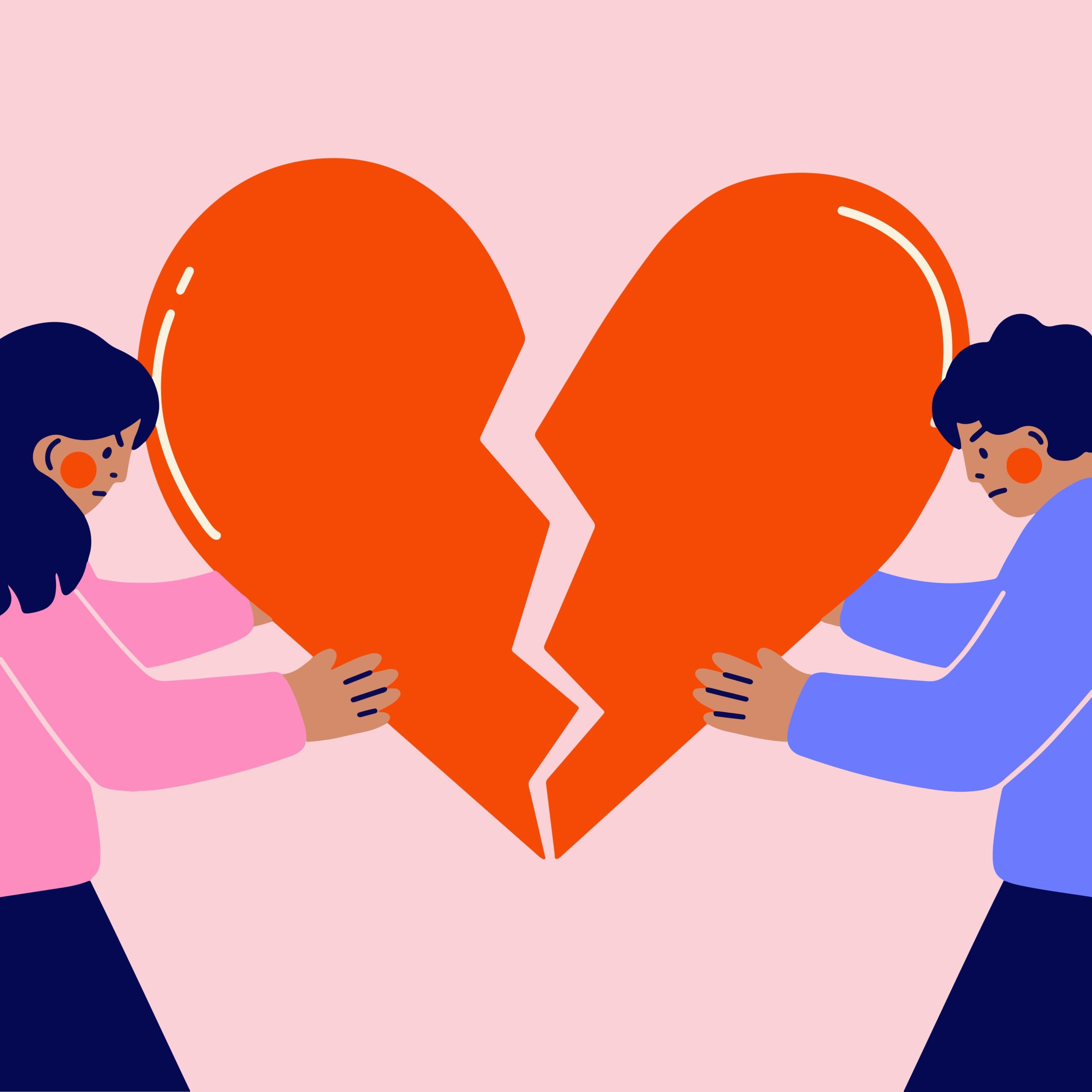
Insisting a partner must change for you to be happy creates a state of "self-justifying passivity." You become trapped waiting for them, rather than reclaiming your power to improve the relationship by being the one who moves first towards understanding.
What appears as outward aggression, blame, or anger is often a defensive mechanism. These "bodyguards" emerge to protect a person's inner vulnerability when they feel hurt. To resolve conflict, one must learn to speak past the bodyguards to the underlying pain.

Winning an argument by proving a factual point (e.g., "you were technically yelling") is a losing strategy in relationships. Therapist Terry Real's framework suggests subjective perception is what truly matters. Establishing "objective reality" invalidates your partner's experience and derails resolution.

By framing a perpetual issue as an external, inanimate pattern (e.g., a 'spender-saver' dynamic), partners can stop blaming each other. This shifts the focus from personal failings to a shared problem they can address collaboratively, fostering connection instead of disconnection.
Applying labels like 'narcissist' is a cognitive shortcut. It allows you to assign blame easily, but it prevents you from truly understanding the other person's perspective and motivations, dooming the conversation from the start.

For someone accustomed to relational chaos, a genuinely safe and present partner can feel deeply uncomfortable. True safety requires vulnerability, which can trigger protective mechanisms in someone who has used intensity and workaholism to avoid their inner world. Calmness can feel foreign and threatening.
Couples in conflict often appear to be poor communicators. However, studies show these same individuals communicate effectively with strangers. The issue isn't a skill deficit, but a toxic emotional environment within the relationship that inhibits their willingness to collaborate.