Get your free personalized podcast brief
We scan new podcasts and send you the top 5 insights daily.
Static resumes and portfolios fail to capture the dynamic skills of AI builders. The "Chucky" agent concept proposes an interactive agent that acts as a candidate's representative. It can showcase projects, answer questions, and provide context, offering a richer, more engaging way for employers to evaluate talent.

Related Insights
Resource-constrained startups demonstrate the future of corporate functions by bypassing HR entirely. Founders now use LLMs to write job descriptions and build custom AI agents to screen and stack-rank resumes, automating the entire top of the hiring funnel.
The future of AI in talent acquisition is moving beyond on-demand analysis. Formation Bio is working towards "agentic AI" that proactively monitors the hiring pipeline, analyzes interviews in real-time, and provides suggestions for the next steps without being prompted, thus automating strategic insight.

To find talent capable of managing an AI stack, traditional interviews are insufficient. A better test is to provide candidates with platform credits (e.g., Replit) and challenge them to build a functional agent that automates a real business task, proving their practical skills.

Sending a resume is now an outdated and ineffective way to get noticed by AI startups. The proven strategy is to demonstrate high agency by building a relevant prototype or feature improvement and emailing it directly to the founders. This approach has led to key hires at companies like Suno and Micro One.
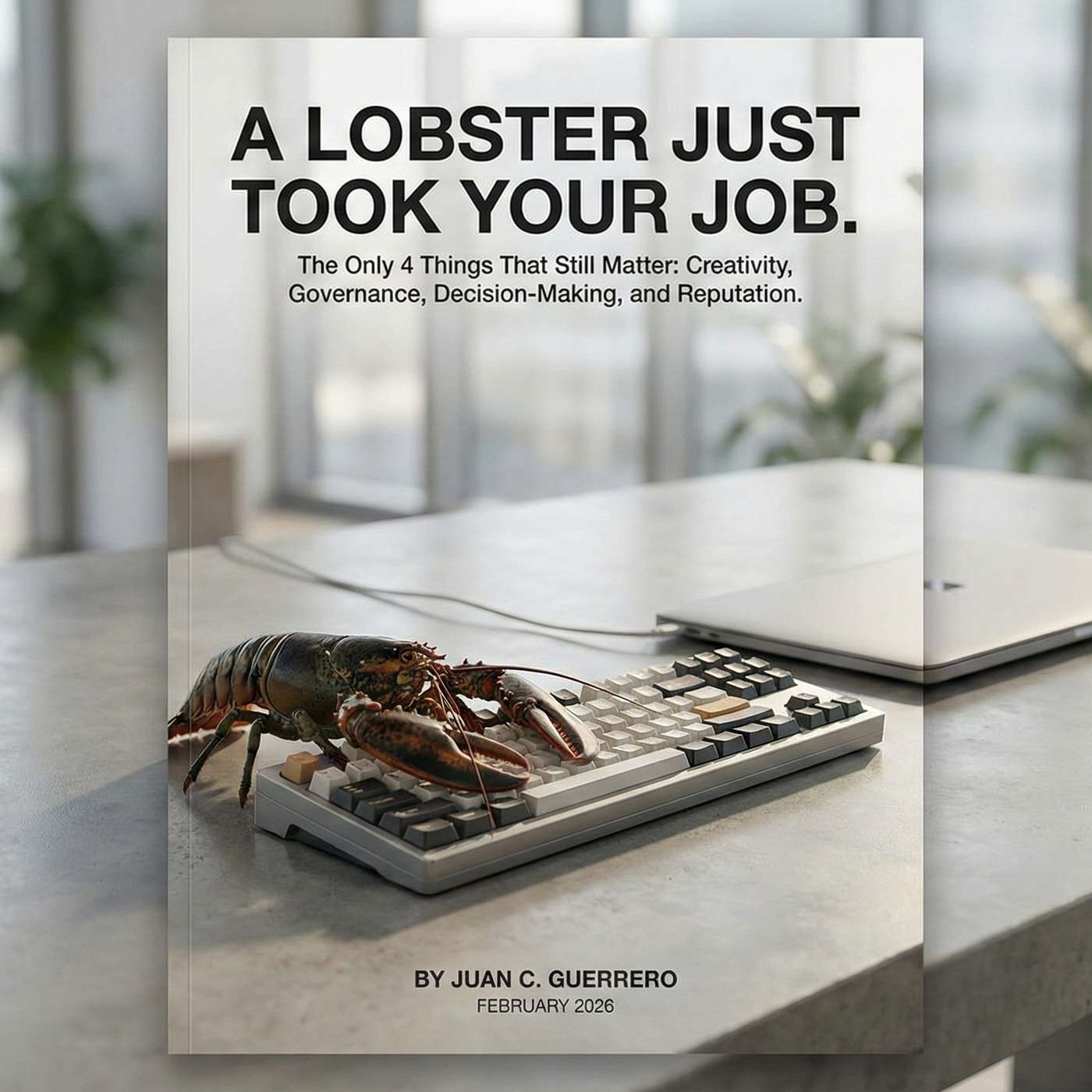
In a world saturated with AI-generated content and autonomous agents, the ability to prove one's humanness is the new foundational economic asset. A verifiable reputation, built on a track record of creativity, governance, and sound judgment, becomes more valuable than a traditional resume, serving as the essential trust anchor for all digital and economic interactions.
The most compelling way to demonstrate AI skills to an employer is to build something. Creating custom GPTs for personal productivity or simple apps proves practical problem-solving ability far more effectively than a list of certifications on a resume.

To evaluate candidates, run the same case study through an AI agent like Claude. This creates an objective performance floor; if a human candidate cannot outperform the AI's output, they fail to meet the minimum standard for the role, providing a practical filter in the hiring process.

For PMs struggling to get AI experience at their current job, building a ChatGPT app serves as a powerful portfolio project. The end-to-end process—from prompting an idea to running evals—simulates the full AI product development lifecycle, demonstrating valuable, hands-on skills to potential employers.

To build an AI-native team, shift the hiring process from reviewing resumes to evaluating portfolios of work. Ask candidates to demonstrate what they've built with AI, their favorite prompt techniques, and apps they wish they could create. This reveals practical skill over credentialism.

The future of knowledge work involves building, not just using, AI. New roles like "agent builders" will combine deep industry expertise with software engineering skills to create bespoke AI systems. This hybrid role represents a crucial, newly created career path in the AI era.