Get your free personalized podcast brief
We scan new podcasts and send you the top 5 insights daily.
The idea for Shopee wasn't from market analysis, but from observing his six-year-old daughter's awe at mobile e-commerce in China. He saw it as "magic" when a desired item appeared the next day. This personal, emotional insight convinced him of the immense value proposition for Southeast Asia.

Related Insights
The idea for Birdies didn't come from market research. It came from Bianca Gates observing a recurring awkwardness in her own community meetings: guests were uncomfortable taking off their shoes. The product was a direct solution for a real-world problem she experienced personally.

The inspiration for Superhuman came from reframing Uber's core value. Its magic wasn't getting from A to B, but the new, productive time it created during a commute. This highlights the need for founders to look beyond a product's function to discover its deeper, more fundamental human benefit, which is often time.

The company's founding insight stemmed from the poor quality of Polish movie dubbing, where one monotone voice narrates all characters. This specific, local pain point highlighted a universal desire for emotionally authentic, context-aware voice technology, proving that niche frustrations can unlock billion-dollar opportunities.

Founder Janice Omadeke credits her entrepreneurial drive to a childhood game her father created. At dinner, he would ask his children to identify a problem they saw that day and design a business to solve it, including target market and go-to-market strategy, effectively gamifying problem-solving.

All major social platforms will be forced to integrate live shopping to compete, just as they all adopted 'stories'. This is a fundamental shift in consumer behavior, not a fleeting trend. In China, 30% of all e-commerce transactions already happen via live shopping, indicating its massive scale and inevitability in the West.

Instead of searching for a market to serve, founders should solve a problem they personally experience. This "bottom-up" approach guarantees product-market fit for at least one person—the founder—providing a solid foundation to build upon and avoiding the common failure of abstract, top-down market analysis.

SeaMoney wasn't a planned business pillar. It was born out of necessity to solve payment challenges for its own gaming and e-commerce platforms in underbanked markets. This internal tool, which started with manual cash card distribution, evolved into a massive digital lending business.
A powerful startup strategy is to screenshot a successful app and use AI to rapidly generate a clone tailored to a new market. This "business arbitrage" allows founders to quickly test proven models in new geographies or vertical niches with minimal upfront development.

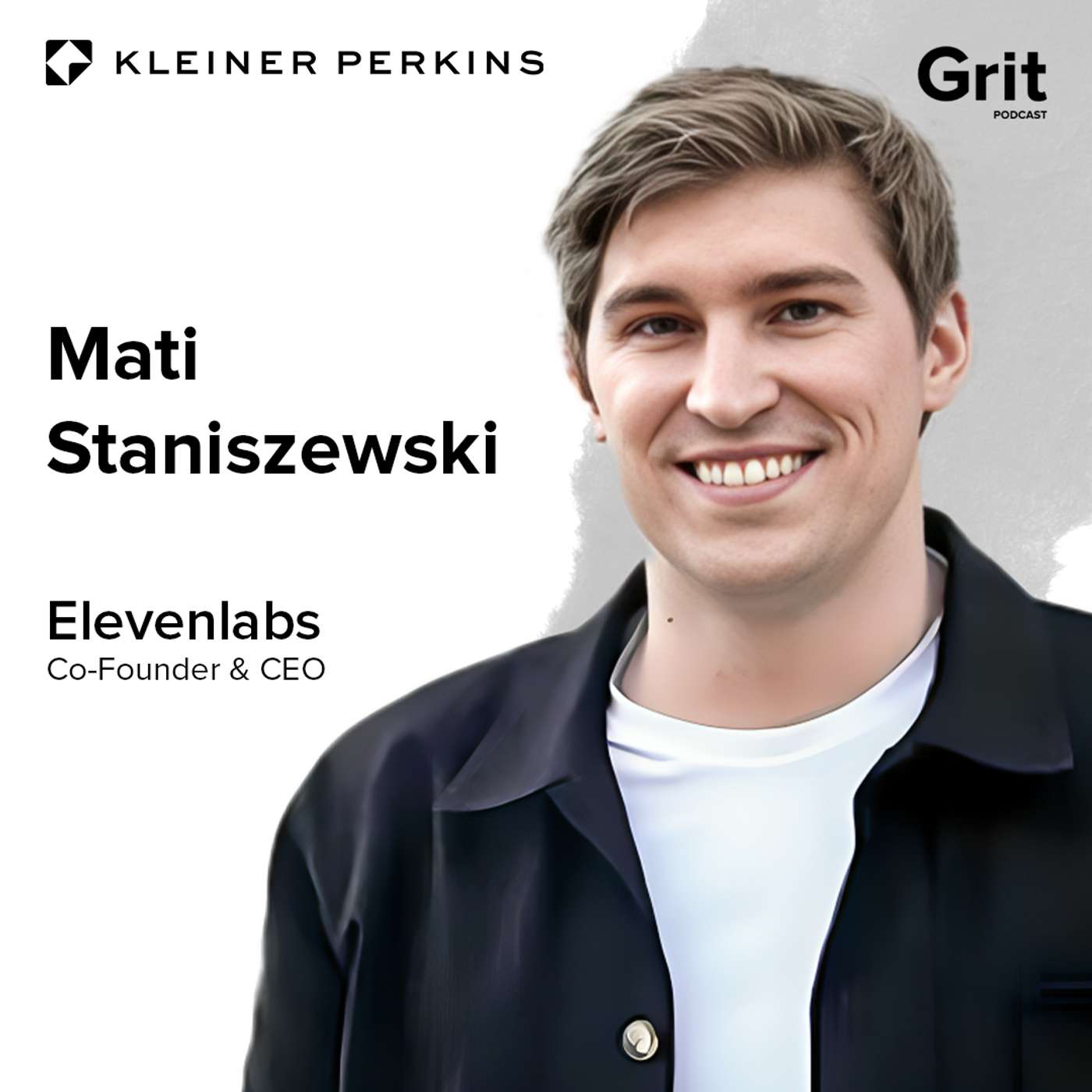
CEO Mati Staniszewski co-founded ElevenLabs after being frustrated by the Polish practice of dubbing foreign films with a single, monotonous voice. This hyper-specific, personal pain point became the catalyst for building a leading AI voice company, proving that massive opportunities can hide in niche problems.
The most enduring companies, like Facebook and Google, began with founders solving a problem they personally experienced. Trying to logically deduce a mission from market reports lacks the authenticity and passion required to build something great. The best ideas are organic, not analytical.